
Balancing globalization and localization means actively supporting local cultures and businesses while engaging in the global market. You can promote cultural diversity by choosing local products and respecting regional traditions. Governments, companies, and individuals all play roles in protecting identities and fostering authentic community bonds. If you want to discover how to find this balance and preserve your cultural heritage while benefiting from global opportunities, there’s more to explore below.
Open a free Amazon Business account
Business pricing, bulk buying and tax-exempt orders.
As an affiliate, we earn on qualifying purchases.
Key Takeaways
- Localization preserves cultural diversity by adapting products and services to local tastes and traditions.
- Balancing globalization and localization requires policies that support local industries and cultural heritage.
- Responsible corporate strategies and consumer choices can help maintain cultural identity amid global influences.
- Cultural homogenization from globalization risks eroding unique customs and traditions, emphasizing the need for preservation efforts.
- Achieving a middle ground enhances global integration while safeguarding cultural authenticity and community identities.
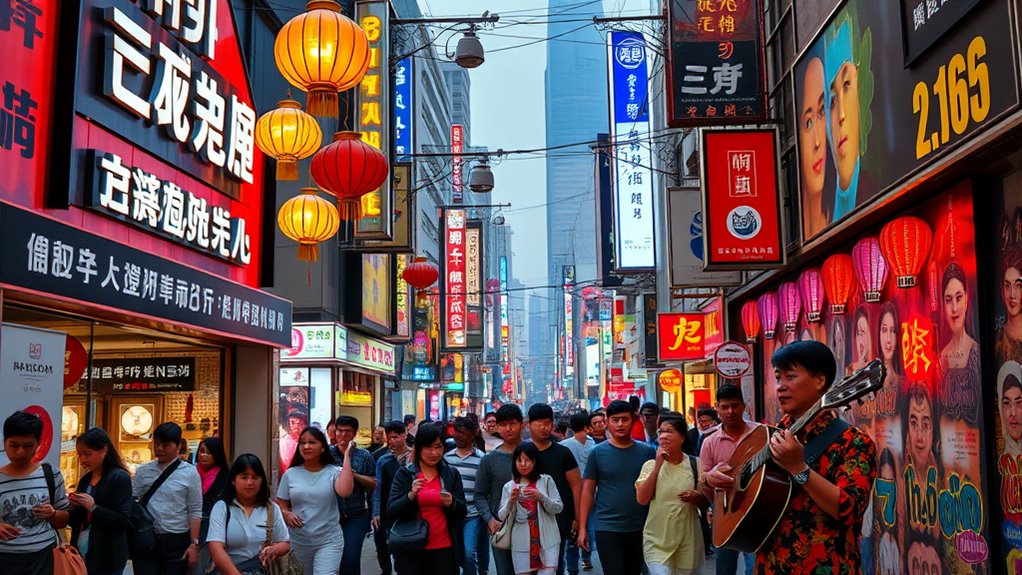
In today’s interconnected world, the debate between globalization and localization shapes how businesses, cultures, and economies evolve. You might notice how global brands like Starbucks or McDonald’s are present in nearly every country, creating a sense of uniformity that often leads to cultural homogenization. While this makes it easier to find familiar products anywhere, it also risks eroding unique local customs and traditions. As cultures blend into a more homogenized global landscape, some people feel their identity is being diluted or overshadowed by dominant international influences. This phenomenon can also deepen economic disparities, where wealthy countries and multinational corporations benefit the most, leaving smaller or developing communities behind. The wealth gap widens as global markets favor those with access to capital and technology, often at the expense of local businesses that struggle to compete with international giants. This imbalance fuels inequalities, making it harder for local entrepreneurs to thrive and for communities to maintain their cultural integrity. Additionally, the influence of global media and entertainment plays a significant role in shaping perceptions and cultural norms worldwide.
On the other hand, localization offers a way to preserve and celebrate cultural diversity. You can see this in how small businesses adapt to local tastes or how global companies tailor their offerings to resonate with regional traditions. Localization encourages respecting local customs, languages, and preferences, helping communities retain their unique identities while still engaging with global markets. It’s a balancing act—embracing the benefits of international trade and communication without sacrificing cultural authenticity. When you support local products and services, you help strengthen community bonds and promote economic equity, giving smaller players a fair shot against larger corporations. This approach fosters a sense of pride and ownership over local culture, ensuring that globalization doesn’t completely overshadow local identities.
However, achieving a true balance isn’t easy. It requires conscious effort from governments, businesses, and consumers to prioritize cultural preservation while benefiting from global opportunities. Policies that support local industries and protect cultural heritage can help, as can encouraging companies to adopt responsible strategies that respect local contexts. As a consumer, you play a vital role by making mindful choices—favoring local products and supporting initiatives that promote cultural diversity. When you do, you’re helping to counteract the negative effects of cultural homogenization and economic disparities, fostering a more inclusive global community. Ultimately, the challenge lies in finding that middle ground where globalization enhances your quality of life without erasing the cultural richness that makes each community unique. Your choices and actions can contribute to a world where identity is preserved amid the forces of global change. Recognizing the role of cultural preservation can help promote a more balanced approach to globalization.

Sportyzen Colorado State Christmas Ornament – Rocky Mountains, State Symbols & Nature-Inspired Holiday Décor, Unique Colorado Souvenir Gift for Travelers & Locals
- Elegant Rocky Mountains Design: Artwork of Colorado's iconic peaks
- Includes State Symbols: Bighorn sheep, Columbine flower, aquamarine gemstone
- Celebrates Colorado Outdoors: Hot air balloons, cactus, butterfly, trout
As an affiliate, we earn on qualifying purchases.
As an affiliate, we earn on qualifying purchases.
Frequently Asked Questions
How Does Technology Influence Globalization and Localization Strategies?
Technology substantially influences globalization and localization strategies by enhancing digital connectivity, making it easier to reach diverse markets worldwide. You can leverage digital tools to streamline communication, marketing, and distribution, ensuring cultural adaptation to local preferences. This allows your business to expand globally while respecting local identities. By balancing digital connectivity with cultural sensitivity, you create tailored experiences that resonate with different audiences, strengthening your global presence without losing local relevance.
What Role Do Government Policies Play in Balancing Global and Local Interests?
Government policies are essential in balancing global and local interests by safeguarding cultural sovereignty and promoting policy harmonization. You can influence this balance by supporting regulations that protect local traditions while encouraging international cooperation. Through targeted policies, you help guarantee that globalization doesn’t erode cultural identities, fostering an environment where both global integration and local uniqueness coexist. Your role in advocating for thoughtful policies directly impacts how effectively these interests are managed.
Can Cultural Homogenization Threaten Local Traditions?
Yes, cultural homogenization can threaten local traditions. As global influences spread, they often overshadow unique cultural practices, leading to traditions erosion. You might notice local customs fading or being replaced by more dominant, globalized trends. To protect cultural preservation, communities need to actively promote and celebrate their unique traditions, ensuring they remain vibrant and relevant despite the pressures of globalization.
How Do Multinational Companies Navigate Differing Cultural Expectations?
You should focus on cultural adaptation to navigate differing cultural expectations. By understanding and respecting local customs and traditions, you can align your products with consumer preferences effectively. This approach helps you build trust and loyalty within diverse markets. Listening to local feedback and customizing your offerings demonstrate your commitment to respecting cultural differences, ensuring your brand resonates positively and avoids cultural insensitivity, ultimately driving your success across various regions.
What Are the Long-Term Impacts of Globalization on Local Communities?
You might notice that globalization boosts economic integration, leading to increased job opportunities, but it can threaten cultural preservation. For example, a small town might see traditional crafts replaced by multinational brands. Long-term, communities could experience both growth and cultural erosion. While economic benefits are clear, balancing these with respect for local traditions becomes vital to guarantee sustainable, inclusive development that honors community identity amid global influences.

Bulgarian Folk Costumes: Regional Traditional Dress – Coloring Book: An Educational Coloring Journey Through the Ethnographic Regions of Bulgaria (The … – Cultural and Traditional Clothing Series)
As an affiliate, we earn on qualifying purchases.
As an affiliate, we earn on qualifying purchases.
Conclusion
Balancing globalization and localization isn’t just about choosing sides; it’s about recognizing their intertwined nature. While some argue that globalization erodes cultural identity, studies show it can also promote understanding and innovation when local traditions are preserved. You can embrace global connections without losing your unique identity, proving that integration and preservation can coexist. Ultimately, it’s not a zero-sum game—you shape your world by blending global reach with local roots.

Cultural Landscapes: Balancing Nature and Heritage in Preservation Practice
- Condition: Used Book in Good Condition
As an affiliate, we earn on qualifying purchases.
As an affiliate, we earn on qualifying purchases.

Connecticut Made: Homegrown Products by Local Craftsmen, Artisans, and Purveyors (Made in)
As an affiliate, we earn on qualifying purchases.
As an affiliate, we earn on qualifying purchases.
College move-in / dorm season Picks
dorm essentials
As an affiliate, we earn on qualifying purchases.