

Understanding the difference between cultural appropriation and appreciation is key to respectful interactions. Appropriation often involves taking cultural elements without understanding or respecting their significance, which can perpetuate stereotypes and historical inequalities. Appreciation, on the other hand, means engaging thoughtfully, acknowledging the culture’s origins, and giving credit where it’s due. By recognizing power dynamics and respecting boundaries, you can guarantee your actions foster respect rather than harm. Keep exploring how to navigate these important distinctions with care and awareness.

Get the little things that make your day delivered free with Prime
- Fast, free delivery on millions of items
- Prime Video, Amazon Music and more included
- Member-only deals all year
Key Takeaways
- Appreciation involves respectful learning and acknowledgment of a culture’s significance, while appropriation often strips symbols of their original meaning.
- Recognizing historical power imbalances helps distinguish between honoring cultures and exploiting them.
- Cultural appreciation encourages listening to marginalized voices and understanding context before engaging.
- Appropriation can perpetuate stereotypes and reinforce colonial legacies if done without sensitivity.
- Ethical cultural interaction requires awareness, respect, and giving credit rather than personal gain.
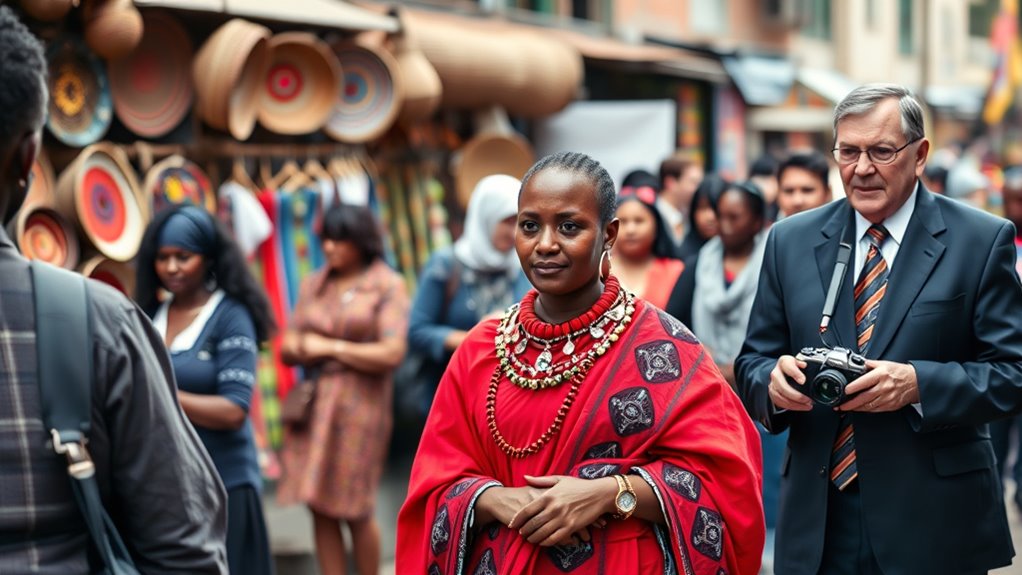
Understanding the difference between cultural appropriation and appreciation is essential in today’s interconnected world. To grasp this, you need to contemplate the historical context behind cultural exchanges. Historically, cultures have interacted through trade, migration, and shared ideas, often leading to mutual influence. However, these exchanges weren’t always equitable; they were frequently shaped by power dynamics that favored dominant groups over marginalized ones. When you examine these power structures, it becomes clear that cultural borrowing wasn’t always a respectful act but sometimes a tool of oppression or exploitation. For example, colonial histories reveal how Western powers appropriated elements of Indigenous and non-Western cultures, often stripping them of their original meanings and significance. Recognizing this context helps you understand why certain cultural symbols or practices may evoke pain or resentment when taken out of their original setting.
Cultural exchanges often reflect power imbalances, revealing histories of exploitation and misrepresentation.
In today’s landscape, power dynamics still influence how cultures interact. When you adopt styles, symbols, or traditions from cultures that have historically been oppressed or marginalized, it’s often perceived as an act of disrespect or cultural insensitivity—unless it’s done with genuine understanding and acknowledgment of that history. For instance, wearing a headdress or using sacred symbols without understanding their significance can perpetuate harmful stereotypes and reinforce colonial legacies. To navigate this, you need to be aware of the history behind these cultural elements and recognize that some symbols hold deep spiritual or cultural importance, not mere fashion statements or trendy accessories. Additionally, understanding the importance of cultural sensitivity can help you engage more respectfully and thoughtfully with diverse traditions.
Understanding the power imbalance at play isn’t about guilt but awareness. It’s about acknowledging that your actions can either perpetuate harmful stereotypes or promote respectful appreciation. When you’re informed about the historical context and the power structures that shape cultural exchanges, your approach becomes more thoughtful. You’ll realize that appreciation involves learning, respecting, and giving credit, rather than appropriating for personal gain or aesthetic appeal. It’s essential to listen to voices from the cultures you’re engaging with, especially those who have historically faced marginalization. By doing so, you can foster more respectful interactions and avoid the pitfalls of cultural misappropriation.
Ultimately, respecting cultural boundaries means understanding that history and power dynamics aren’t just abstract concepts—they’re active forces that influence how cultures are shared and experienced today. When you approach other cultures with awareness of their historical struggles and power imbalances, your appreciation becomes genuine and meaningful. It’s about building bridges, not walls, and ensuring your actions honor the rich diversity of human experience rather than diminish it.
As an affiliate, we earn on qualifying purchases.
Frequently Asked Questions
How Can Individuals Educate Themselves About Cultural Sensitivities Effectively?
You can educate yourself about cultural sensitivities by actively building cultural literacy through reading, attending workshops, and listening to diverse voices. Engage respectfully by asking questions and seeking to understand the history and significance behind cultural practices. Stay open-minded and avoid assumptions, ensuring your interactions reflect genuine respect. This approach helps you navigate cultural differences thoughtfully, fostering respectful engagement and avoiding cultural insensitivity.
Are There Specific Examples of Respectful Cultural Exchanges?
Like a careful dance, respectful cultural exchanges involve genuine collaboration. You can participate in traditional ceremonies with permission and understanding, honoring their significance. Supporting art collaborations that involve cultural communities fosters appreciation rather than appropriation. Sharing stories, learning from elders, and respecting sacred symbols also exemplify respectful exchanges. By approaching these interactions with humility and openness, you help promote cultural understanding while avoiding offense.
What Role Do Social Media Play in Cultural Appropriation Debates?
Social media fuels cultural appropriation debates by amplifying viral trends and influencer impact. You see people adopting styles or traditions quickly, often without understanding their significance. While this visibility can promote appreciation, it also risks misappropriation. As you engage online, consider how influencers shape perceptions and how viral content can either respect or disrespect cultures. Steering through these debates requires awareness of the power social media holds in shaping cultural conversations.
How Can Businesses Avoid Cultural Insensitivity in Branding?
You should prioritize cultural sensitivity to prevent missteps that harm your brand’s reputation. Research shows 66% of consumers prefer brands that demonstrate authenticity and respect. To avoid insensitivity, consult cultural experts, involve diverse voices, and guarantee your branding genuinely reflects and honors the cultures you feature. This approach fosters brand authenticity and shows your commitment to respecting all cultures, helping you build trust and loyalty with your audience.
What Are the Legal Implications of Cultural Appropriation?
You face legal risks if you appropriate cultural elements without permission, potentially leading to lawsuits or fines. Cultural appropriation can infringe on intellectual property rights, especially if trademarks or copyrighted symbols are involved. To avoid legal trouble, make sure you respect cultural boundaries, seek permissions when necessary, and understand that misuse might not only offend but also result in significant legal consequences. Staying informed helps protect you and your brand from costly disputes.
ethical cultural symbols jewelry
As an affiliate, we earn on qualifying purchases.
As an affiliate, we earn on qualifying purchases.
Conclusion
Understanding the line between cultural appropriation and appreciation helps you respect others’ identities. Remember, over 60% of people feel that cultural insensitivity harms communities. By approaching other cultures with genuine respect and curiosity, you can foster connection without harm. It’s about learning, listening, and honoring traditions. When you choose appreciation over appropriation, you contribute to a more inclusive world where everyone’s culture is valued. Keep this in mind as you navigate cross-cultural interactions.
respectful cultural clothing accessories
As an affiliate, we earn on qualifying purchases.
As an affiliate, we earn on qualifying purchases.
cultural sensitivity training materials
As an affiliate, we earn on qualifying purchases.
As an affiliate, we earn on qualifying purchases.
Halloween Picks
halloween
As an affiliate, we earn on qualifying purchases.