To build a realistic personal budget during rising prices, start by tracking all your income and expenses for at least a month. Identify areas where you can cut back, and prioritize essential spending. regularly review and adjust your budget as costs change, and seek cheaper alternatives for essentials. Save for emergencies and manage debt wisely. Staying informed about market trends helps you time purchases better. Keep smarter and disciplined—more tips await to help you stay resilient financially.

Get the little things that make your day delivered free with Prime
- Fast, free delivery on millions of items
- Prime Video, Amazon Music and more included
- Member-only deals all year
Key Takeaways
- Track all income and expenses to identify spending patterns and areas for adjustment.
- Prioritize essential expenses and set aside funds for savings and debt repayment.
- Regularly review and modify your budget in response to inflation and price changes.
- Use cost-saving strategies like coupons, price comparisons, and shopping during sales.
- Stay informed on market trends and economic indicators to proactively adjust your financial plan.
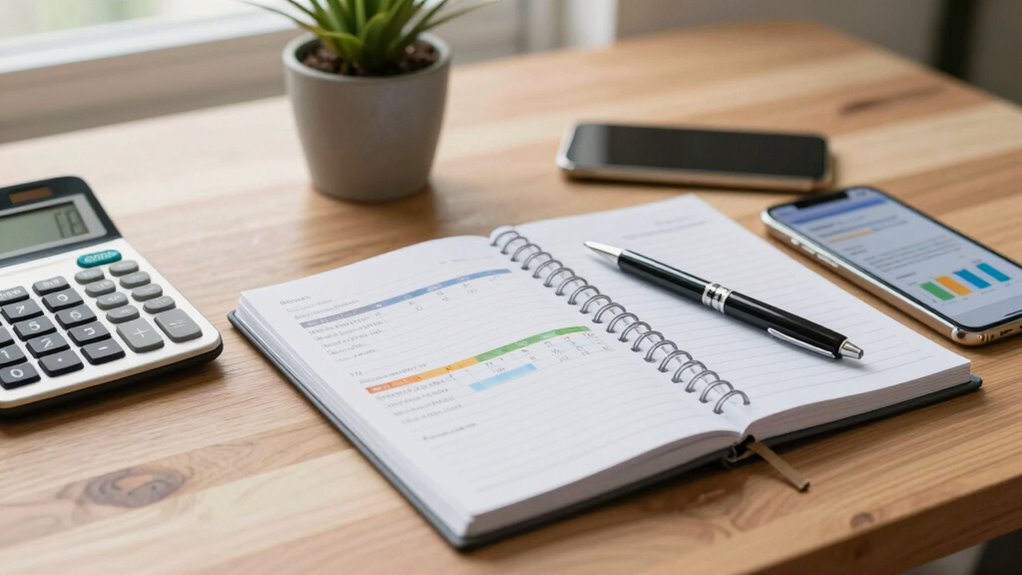
Creating a realistic personal budget is essential for managing your finances effectively and achieving your financial goals. When prices keep rising, it can feel like your money doesn’t stretch as far as it used to. However, with careful planning, you can adapt your budget to stay on track. The first step is to assess your current income and expenses honestly. Knowing exactly where your money goes each month helps you identify areas where you might cut back or reallocate funds. Keep track of your spending for at least a month, including all recurring bills, variable expenses, and discretionary costs. This detailed overview provides a clear picture of your financial habits and highlights opportunities to optimize your spending.
Assess your income and expenses honestly to identify spending habits and opportunities for financial improvement.
In times of inflation, it’s essential to prioritize your financial goals. Investment planning becomes more important than ever, as it helps grow your wealth and provides a safety net for unexpected expenses. Consider directing some funds toward low-risk investments or high-yield savings accounts to protect your money from losing value due to inflation. At the same time, managing debt wisely becomes critical. High-interest debt, like credit card balances, can quickly drain your resources, especially when prices are rising. Focus on paying down these debts aggressively while avoiding accumulating new ones. Developing a debt management plan that includes consolidating debts or negotiating better interest rates can free up cash and reduce financial stress.
Adjusting your budget isn’t a one-time task; it requires ongoing review and modification. When you notice prices increasing in specific categories, like groceries or transportation, find ways to cut back or find cheaper alternatives. Shopping smarter, using coupons, and comparing prices can help you save money without sacrificing your needs. It’s also wise to build an emergency fund that covers at least three to six months of living expenses, providing a buffer against unexpected costs or income disruptions. This safety net allows you to stay calm and avoid falling into debt if unforeseen expenses arise. Additionally, understanding gadget and electronics trends can help you make smarter purchasing decisions and avoid impulse buys that can derail your budget. Recognizing market fluctuations can also assist you in timing your purchases to avoid higher costs during peak seasons or price hikes. Staying informed about economic changes and inflation trends can further enhance your ability to adjust your spending habits proactively. Regularly reviewing your financial situation and staying updated on economic indicators can give you early warning signs of upcoming changes, allowing you to adjust your habits accordingly. Incorporating financial literacy into your routine can also empower you to make better-informed decisions and improve your overall financial resilience.
Staying disciplined and committed to your budget helps you navigate the challenges of rising prices. Regularly reviewing your financial situation ensures you’re making progress toward your goals and adjusting for inflation. Remember, building a realistic personal budget isn’t about restricting yourself but about making informed decisions that support your long-term financial well-being. With thoughtful planning around investment options and debt management, you can maintain financial stability even amid rising costs.
As an affiliate, we earn on qualifying purchases.
Frequently Asked Questions
How Often Should I Review and Adjust My Budget?
You should review and adjust your budget at least monthly. This helps you maintain financial discipline and adapt to changing expenses. Keep an eye on your spending habits and any inflation impacts, making tweaks as needed to stay on track. Regular reviews ensure you’re proactively managing your finances, preventing overspending, and maintaining a realistic budget even when prices keep rising. Consistency is key to financial stability.
What Tools Can Help Me Track My Expenses Effectively?
Imagine holding your finances in your hands—what tools could make that easier? The envelope system visually separates cash for expenses, giving you immediate control. Mobile apps, on the other hand, sync with your accounts, tracking every transaction automatically. Both tools are powerful; the envelope system offers tangibility, while mobile apps provide convenience. Choose one to stay on top of your spending, even as prices rise, and keep your budget balanced.
How Can I Save Money During Inflationary Periods?
During inflation, you can save money by cutting back on luxury spending and reviewing your subscriptions. Cancel any unused or unnecessary subscriptions to free up cash, and avoid splurging on luxury items that aren’t essential. Focus on prioritizing your needs over wants, and look for ways to reduce expenses. These small adjustments help you manage rising costs and keep your budget balanced despite inflationary pressures.
Should I Prioritize Debt Repayment or Savings?
You should prioritize debt repayment if your interest rates are high; studies show paying off debt can boost your financial security. However, maintaining a savings balance is vital, especially during inflation. With nearly 60% of Americans living paycheck to paycheck, balancing debt focus and savings is essential. Focus on paying off high-interest debt first, but don’t neglect building an emergency fund to weather rising prices and unexpected expenses.
How Do Unexpected Expenses Impact My Budget Planning?
Unexpected expenses can disrupt your budget, making it essential to have an emergency fund in place. They also highlight the importance of accurate expense forecasting, so you can adjust your budget proactively. When surprises happen, tap into your emergency fund first to cover costs without derailing your financial goals. Regularly reviewing and updating your budget helps you stay prepared for these unforeseen expenses, keeping your finances stable despite rising prices.
As an affiliate, we earn on qualifying purchases.
Conclusion
Building a realistic personal budget in today’s rising prices might feel like trying to tame a wild beast, but with patience and careful planning, you can master it. Track your expenses, prioritize essentials, and build flexibility into your plan. Remember, your budget isn’t just numbers—it’s your financial safety net. Stay committed, adapt as needed, and you’ll find yourself in control, even when prices skyrocket like a rocket headed for the stars.
As an affiliate, we earn on qualifying purchases.
As an affiliate, we earn on qualifying purchases.
Columbus Day / Indigenous Peoples' Day Picks
long weekend sales
As an affiliate, we earn on qualifying purchases.