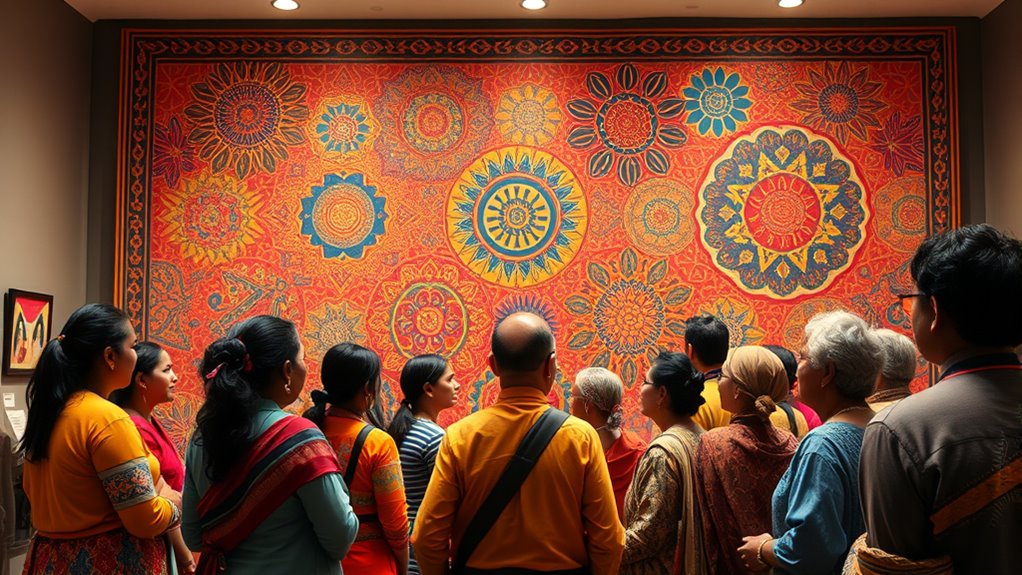

Cultural diplomacy builds bridges by using arts and language to help you connect with others across borders. When you participate in art exchanges, you experience different traditions and gain empathy beyond words. Art acts as a universal language that fosters mutual understanding. Language programs deepen cultural insights, creating genuine bonds. Supporting these initiatives, whether through global events or local programs, promotes peace and trust. Discover more ways these creative efforts strengthen international relationships.

Get the little things that make your day delivered free with Prime
- Fast, free delivery on millions of items
- Prime Video, Amazon Music and more included
- Member-only deals all year
Key Takeaways
- Art exchanges foster mutual understanding and empathy across cultures, serving as universal languages that bridge differences.
- Visual arts, music, and dance enable cultural expression and dialogue beyond linguistic barriers.
- Language programs deepen cultural insight, strengthening connections and trust through shared traditions and storytelling.
- Cultural initiatives promote peaceful international relations by celebrating diversity and nurturing ongoing relationships.
- Arts and language collaborations support diplomatic efforts, enhancing cultural literacy and global community building.
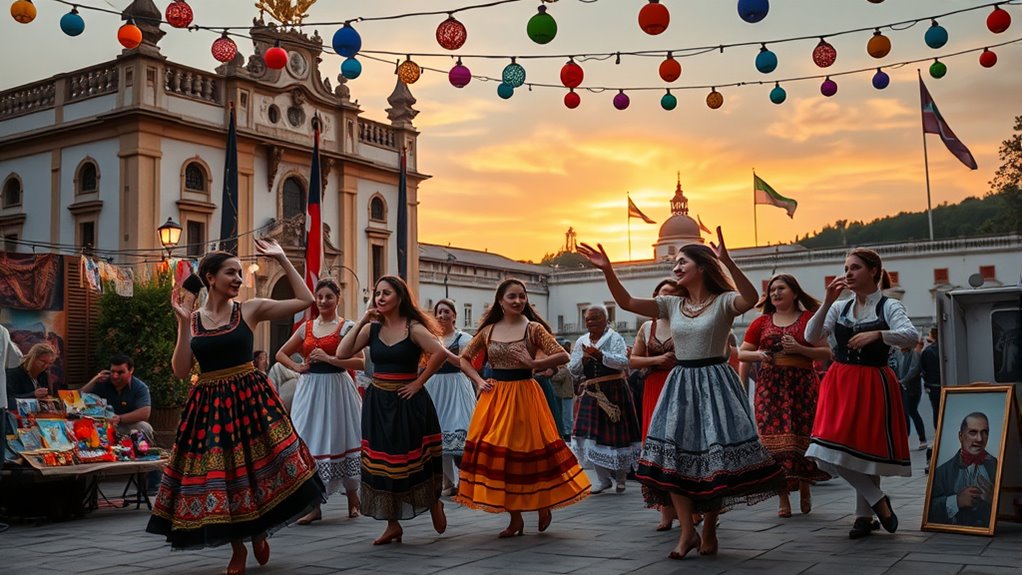
Cultural diplomacy is a powerful tool for fostering understanding and building bridges between nations through shared arts, traditions, and values. When you participate in art exchanges, you actively contribute to breaking down cultural barriers, allowing different communities to appreciate each other’s creativity and perspectives. These exchanges create direct, tangible experiences that promote empathy and mutual respect, making diplomacy more personal and impactful. Whether it’s a visual arts exhibit, a musical performance, or a dance collaboration, art exchanges serve as universal languages that transcend borders and spoken dialects. They invite you to step into another culture’s world, see through their eyes, and gain insights that go beyond words.
Participating in art exchanges bridges cultural gaps, fostering empathy and mutual respect through shared creativity and understanding.
Alongside art exchanges, language programs are essential components of cultural diplomacy. They are not just about learning vocabulary or grammar; they’re about immersing yourself in the cultural nuances, idioms, and traditions embedded in a language. When you engage in language programs, you develop a deeper understanding of a nation’s identity and values. This comprehension fosters genuine connections, making diplomatic efforts more authentic. Language programs often include cultural activities, storytelling, and conversations that give you firsthand experience of a culture’s worldview, history, and social norms. This integration of language and culture helps build trust and opens channels for dialogue, collaboration, and peace.
By participating in these initiatives, you’re actively contributing to a global environment where differences are celebrated rather than feared. Art exchanges and language programs are accessible ways to create ongoing relationships, nurture cultural literacy, and promote peaceful international relations. They help replace stereotypes with understanding, transforming perceptions and encouraging collaboration across borders. When you attend an international art exhibition or enroll in a language course, you’re not only gaining personal knowledge but also supporting a diplomatic process that values shared human experiences.
Furthermore, these cultural programs are often supported by governments, NGOs, and cultural institutions because they recognize the power of arts and language in diplomacy. They serve as soft power strategies that complement traditional political negotiations. Your involvement in these initiatives amplifies their reach, helping to build a global community rooted in mutual appreciation. Additionally, integrating wall organization systems and aesthetic display solutions can enhance cultural venues, making them more inviting and engaging spaces for international exchanges. In essence, you become part of a movement that uses the arts and language as bridges—tools that connect hearts and minds, fostering a more peaceful and interconnected world. By embracing art exchanges and language programs, you help shape a future where cultural understanding paves the way for diplomacy and international harmony.
As an affiliate, we earn on qualifying purchases.
Frequently Asked Questions
How Do Governments Select Cultural Ambassadors for Diplomatic Missions?
You’re likely to find that governments select cultural ambassadors through a careful ambassador selection process, focusing on individuals who embody cultural criteria like artistry, communication skills, and diplomatic sensitivity. They assess candidates’ ability to represent their country’s culture positively, often considering their reputation, experience, and commitment to fostering international understanding. This guarantees the chosen ambassador effectively promotes cultural exchange, strengthens diplomatic ties, and builds bridges through arts and shared cultural values.
What Are the Funding Sources for Cultural Diplomacy Programs?
You can find funding for cultural diplomacy programs through private foundations and international grants. Private foundations often support specific cultural initiatives aligned with their missions, providing grants that help fund arts exchanges and projects. International grants, offered by organizations like UNESCO or the EU, promote cross-border cultural collaborations. Securing these funds involves applying with detailed proposals, demonstrating the program’s impact, and showcasing how it fosters international understanding.
How Is Success Measured in Cultural Diplomacy Initiatives?
You measure success in cultural diplomacy initiatives by evaluating their impact using cultural metrics and measuring impact. You look at changes in perceptions, increased cross-cultural understanding, and long-term relationships built. Feedback from participants, media coverage, and engagement levels also help gauge effectiveness. By analyzing these indicators, you can determine whether your efforts foster meaningful connections and enhance mutual appreciation between cultures.
Can Cultural Diplomacy Influence Foreign Policy Decisions?
Think of cultural diplomacy as a gentle breeze shaping a ship’s course; it can indeed influence foreign policy decisions. By harnessing soft power, you improve public perception, making nations more receptive. For example, a vibrant arts exchange program can foster mutual understanding, leading policymakers to contemplate diplomatic solutions aligned with cultural appreciation. This subtle influence can steer international relations in a more collaborative, positive direction.
What Challenges Face the Sustainability of Cultural Exchange Programs?
You face challenges in maintaining cultural exchange programs, such as ensuring ongoing funding and political support. Cross-cultural communication can become complicated, leading to misunderstandings and reduced engagement. Additionally, art preservation issues threaten the longevity of cultural artifacts shared during exchanges. To sustain these programs, you need continuous efforts in fostering mutual understanding, securing resources, and prioritizing the preservation of cultural heritage, ensuring lasting bridges through art and dialogue.
language learning cultural immersion books
As an affiliate, we earn on qualifying purchases.
As an affiliate, we earn on qualifying purchases.
Conclusion
So, next time you think arts are just entertainment, remember—they’re secretly building bridges where politics often fail. While diplomats shake hands and sign treaties, it’s the paintings, music, and dance that truly connect hearts across borders. Ironically, it’s the very creativity we often dismiss that holds the power to transform rivalries into friendships. So, keep celebrating culture—you might just be helping to create a more peaceful world, one masterpiece at a time.
international art exhibition supplies
As an affiliate, we earn on qualifying purchases.
As an affiliate, we earn on qualifying purchases.
As an affiliate, we earn on qualifying purchases.
NFL season / tailgating Picks
team gear
As an affiliate, we earn on qualifying purchases.