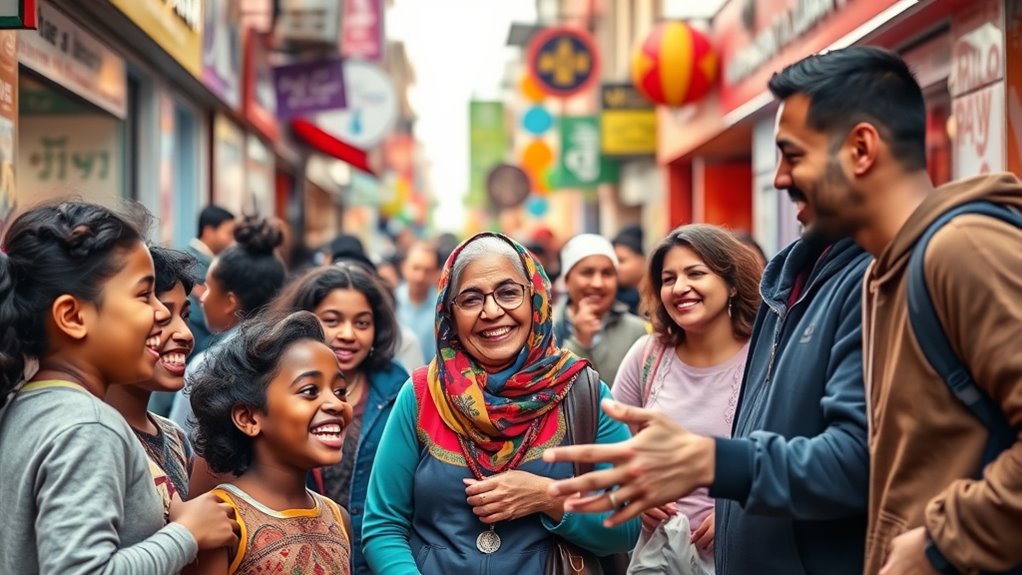

Diversity in media representation matters because it shapes how you see and understand different cultures and identities. When you see authentic stories, stereotypes are challenged, leading to greater empathy and respect. It also encourages you to question assumptions and recognize the complexity of others’ experiences. Supporting diverse media helps create more inclusive narratives and a fairer society. If you want to explore how media can inspire change, there’s much more to uncover ahead.
Open a free Amazon Business account
Business pricing, bulk buying and tax-exempt orders.
As an affiliate, we earn on qualifying purchases.
Key Takeaways
- Diverse media representation fosters authentic understanding and breaks stereotypes about different cultures and identities.
- Accurate portrayals challenge harmful biases and promote empathy for marginalized groups.
- Including varied perspectives reflects society’s true complexity and encourages inclusivity.
- Media literacy helps audiences critically analyze portrayals, reducing misconceptions.
- Authentic diversity in media can drive social change and promote a more equitable society.
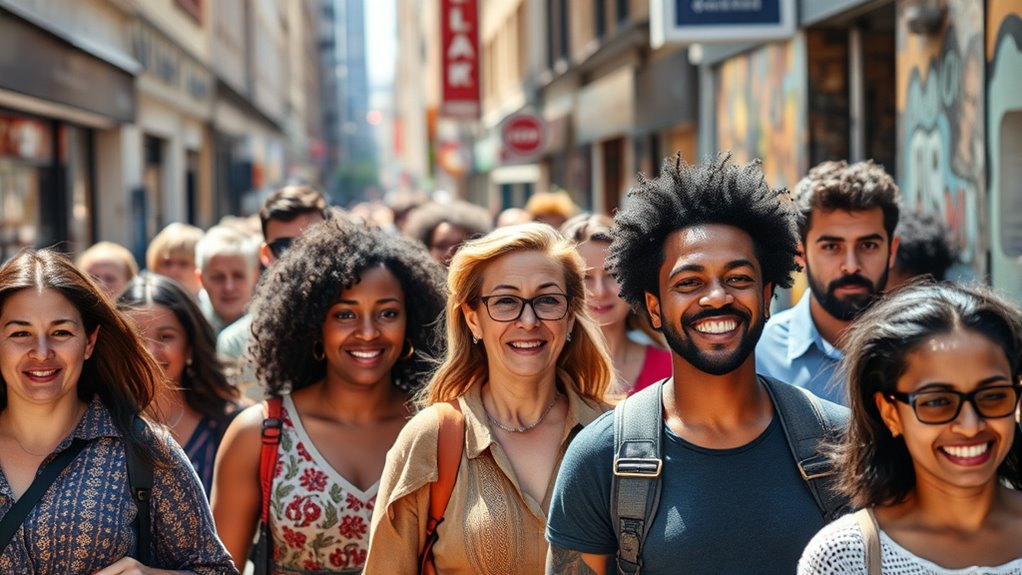
Have you ever noticed how media shapes your understanding of the world? It influences your perceptions, attitudes, and beliefs about different cultures, identities, and experiences. When media consistently presents diverse stories and characters, it fosters a more authentic and nuanced view of the world around you. One key aspect of this is cultural authenticity, which means portraying cultures in a genuine and respectful way, avoiding stereotypes and oversimplifications. When media creators prioritize cultural authenticity, they help break down misconceptions and promote understanding. Instead of relying on tired stereotypes, they showcase the richness and complexity of different cultures, allowing you to see individuals as more than just caricatures or clichés. This shift encourages you to appreciate diversity in a deeper, more meaningful way.
By highlighting authentic representations, media can actively contribute to stereotype reduction. Stereotypes often stem from limited or distorted portrayals, which can reinforce harmful biases. When stereotypes are challenged through accurate and diverse portrayals, your perceptions start to shift. You begin to see people as individuals with unique stories and backgrounds, rather than as members of a monolithic group defined by stereotypes. This change in perception benefits everyone, fostering empathy and reducing prejudice. As you consume media that emphasizes cultural authenticity, you’re naturally exposed to stories that reflect real-life experiences, histories, and traditions, which helps dismantle preconceived notions. Additionally, increased media literacy can empower you to critically analyze portrayals and recognize biases, further promoting understanding.
Authentic media representations challenge stereotypes, fostering empathy and understanding through diverse, real-life stories.
Furthermore, embracing diversity in media representation encourages creators and audiences alike to question their assumptions. It pushes content producers to seek out more inclusive narratives that reflect the true complexity of society. For you, this means having access to a broader range of stories that resonate with your own experiences or challenge your perspectives. It also means supporting media that values diversity and authenticity, thereby promoting a cycle where more inclusive stories are made and celebrated. As a viewer, your awareness and demand for genuine representation can influence the industry to prioritize cultural authenticity and stereotype reduction. This creates a positive feedback loop, making media a tool for education, empathy, and social change.
Ultimately, when media champions diversity through authentic portrayals, it helps build a more equitable society. You’re not only gaining a richer understanding of different cultures and identities but also contributing to a cultural shift that values every individual’s story. Recognizing the importance of cultural authenticity and stereotype reduction in media empowers you to be a more informed and compassionate consumer. It reminds you that the stories told on screen shape perceptions, and by supporting authentic, diverse narratives, you’re helping to create a more inclusive and understanding world.

Cultivating Racial and Linguistic Diversity in Literacy Teacher Education (NCTE-Routledge Research Series)
As an affiliate, we earn on qualifying purchases.
As an affiliate, we earn on qualifying purchases.
Frequently Asked Questions
How Does Media Diversity Impact Societal Perceptions?
You see media diversity shape societal perceptions by breaking stereotypes and fostering cultural awareness. When you’re exposed to varied representations, you’re less likely to reinforce stereotypes and more likely to appreciate different cultures. This broadens your understanding and challenges biased views, leading to a more inclusive society. By supporting diverse media, you help create a culture where all groups are represented fairly, promoting empathy and reducing prejudice.
What Are the Barriers to Diverse Representation in Media?
Imagine a vibrant tapestry, but some threads are missing or faded. You face barriers like casting biases, where stereotypes limit opportunities for diverse actors, and funding disparities, which restrict stories from underrepresented groups. These obstacles keep certain voices unheard and images limited, creating a skewed picture. Overcoming these barriers requires intentional effort, challenging biases, and equitable funding to guarantee everyone’s story is part of the rich, colorful media landscape.
How Can Creators Promote Authentic Diversity?
You can promote authentic diversity by prioritizing cultural authenticity and inclusive storytelling. Engage with communities to understand their experiences, ensuring their voices are accurately represented. Collaborate with diverse creators to bring genuine perspectives to your work. Avoid stereotypes and tokenism, and focus on relatable, nuanced characters. By embracing these practices, you foster a more inclusive media landscape that respects and celebrates all backgrounds, enriching storytelling for everyone.
Does Media Diversity Influence Policy Change?
Media diversity can influence policy change by highlighting representation gaps and challenging cultural stereotypes. When you see varied stories and authentic portrayals, it shifts public perception and sparks conversations about inequality. This increased awareness pressures policymakers to address these issues, creating a cycle of positive change. Your engagement with diverse media helps push for inclusive policies, ensuring marginalized communities gain fair representation both on-screen and in real life.
What Role Do Audiences Play in Encouraging Diversity?
Your audience engagement directly influences media diversity by shaping what stories get told. When you actively support diverse content through viewing choices, sharing, and feedback, you send a powerful viewer influence signal to creators and networks. Your preferences encourage producers to include more varied perspectives, fostering inclusive representation. By choosing diverse media and voicing your support, you help drive positive change and promote a broader, more accurate portrayal of society.

As an affiliate, we earn on qualifying purchases.
Conclusion
By embracing diversity in media, you help create a more inclusive world. Did you know that shows with diverse casts are 25% more likely to attract larger audiences? When you support media that represents different backgrounds, you’re contributing to understanding and acceptance. Every choice you make, from what you watch to share, helps break down stereotypes and build a richer, more authentic cultural landscape. Your voice and choices truly matter in shaping a more inclusive future.

Increasing Diversity in Gifted Education (A CEC-TAG Educational Resource)
As an affiliate, we earn on qualifying purchases.
As an affiliate, we earn on qualifying purchases.

My Guide to RPG Storytelling (My Storytelling Guides)
As an affiliate, we earn on qualifying purchases.
As an affiliate, we earn on qualifying purchases.
Baby shower & registry season Picks
baby registry must-haves
As an affiliate, we earn on qualifying purchases.