
Better packaging means using less material by focusing on efficiency and purpose, which reduces waste and environmental impact. You’ll find that minimalist design eliminates unnecessary layers and decorative elements, improving sustainability and lowering costs. Lighter, smarter packaging also simplifies logistics and cuts transportation emissions. By combining eco-friendly materials with simple, functional design, you can make your packaging more memorable and responsible. Keep exploring to discover how these strategies can help you optimize your packaging approach even further.

Get the little things that make your day delivered free with Prime
- Fast, free delivery on millions of items
- Prime Video, Amazon Music and more included
- Member-only deals all year
Key Takeaways
- Smarter packaging uses sustainable, lightweight materials to reduce overall material consumption and environmental impact.
- Minimalist design eliminates unnecessary layers, fillers, and decorative elements, decreasing waste.
- Combining sustainable materials with simplicity streamlines production and minimizes excess packaging components.
- Less packaging simplifies logistics, reduces transportation emissions, and lowers costs.
- Overall, better packaging focuses on efficiency and purpose, resulting in less packaging without compromising quality.
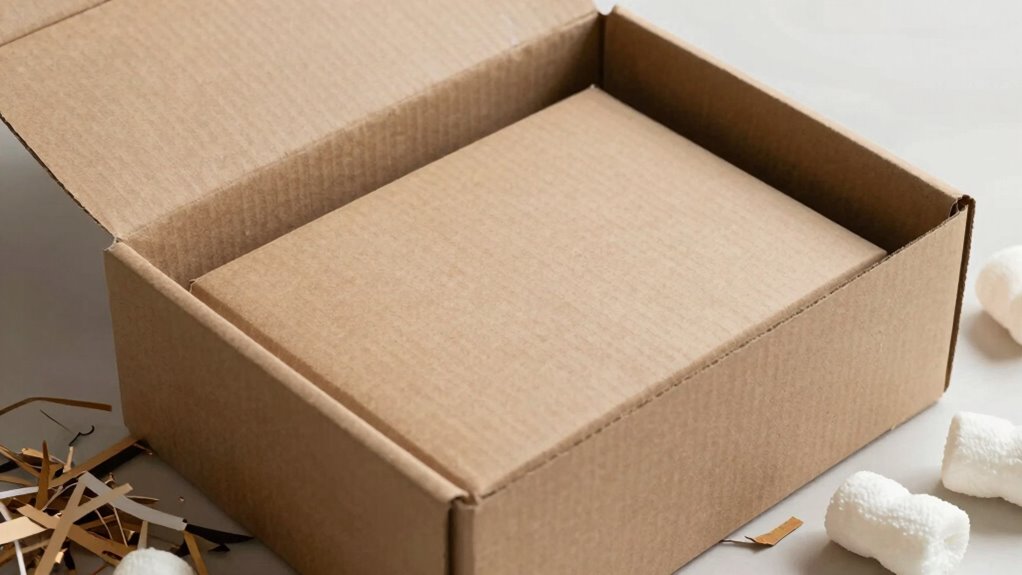
Have you ever wondered how smarter packaging can actually reduce the amount of material used? It’s a clever approach that focuses on efficiency and purpose, rather than excess. When you opt for sustainable materials, you’re making a conscious choice to lessen environmental impact while still protecting your product. These materials are designed to be durable and eco-friendly, allowing you to use less overall material without sacrificing strength or quality. For example, lightweight yet sturdy biodegradable plastics or recycled paperboard can replace heavier, traditional packaging options. This shift not only cuts down on waste but also reduces transportation emissions, as lighter packages require less fuel to ship.
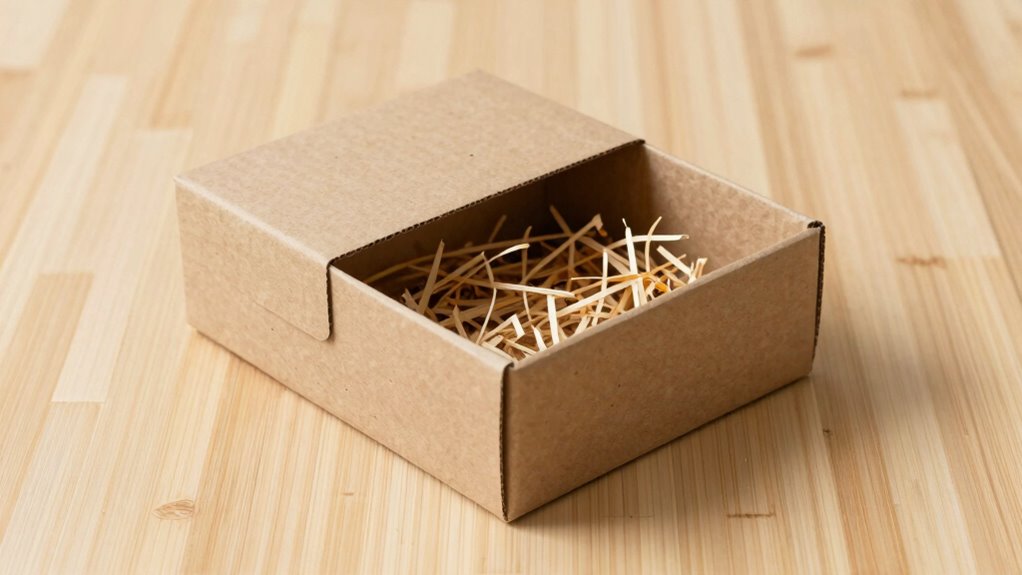
Alongside sustainable materials, a minimalist design plays a pivotal role in reducing packaging size and material. When you strip down packaging to its essentials, you eliminate unnecessary layers, bulky fillers, and decorative elements that don’t add value. Minimalist design emphasizes simplicity and functionality, helping you create packaging that’s sleek, effective, and environmentally responsible. By focusing on the core needs — like product protection and branding — you avoid over-packaging, which often results from trying to make packages look more elaborate than they need to be. This approach encourages you to think carefully about what’s truly necessary, leading to a reduction in total material used.
Better packaging isn’t just about using fewer materials; it’s about smarter choices that enhance sustainability and efficiency. When you combine sustainable materials with a minimalist design, you’re not only reducing waste but also streamlining your entire packaging process. Fewer components mean less manufacturing time, less packaging waste, and a smaller carbon footprint. Additionally, this approach appeals to environmentally conscious consumers who appreciate brands that prioritize sustainability without compromising quality or presentation.
You might also find that minimal packaging simplifies logistics, inventory management, and storage. Smaller, lighter packages are easier to handle, store, and transport, which further reduces your environmental impact. Implementing efficient packaging strategies can optimize your supply chain and minimize resource use. By focusing on what’s essential, you’re likely to cut costs as well, making your packaging more economical and sustainable at the same time. This mindset encourages innovation, pushing you to explore new materials and design strategies that serve both your brand and the planet better.
Ultimately, smarter packaging that uses less material isn’t a compromise — it’s a smarter, more responsible way to pack. By choosing sustainable materials and embracing minimalist design, you make a positive difference for the environment, your business, and your customers. Less packaging, done right, can be more effective, memorable, and eco-friendly than ever before.
Frequently Asked Questions
How Does Reducing Packaging Impact Product Shelf Life?
Reducing packaging can improve shelf life by focusing on better preservation techniques that maintain product freshness. When you use minimal yet effective packaging, it often enhances shelf stability by reducing exposure to air, moisture, and contaminants. This approach encourages innovative materials and designs that protect the product naturally, ensuring longevity without excess packaging. Ultimately, thoughtful reduction strategies can extend shelf life while also benefiting the environment.
Are Eco-Friendly Materials as Durable as Traditional Packaging?
Think of eco-friendly materials as the sturdy roots of a tree—strong and resilient. Eco-friendly durability rivals traditional packaging, offering sustainable material strength without sacrificing performance. While some may worry about longevity, many eco-friendly options are designed to withstand wear and tear just as well. With ongoing innovation, these sustainable materials prove that caring for the planet and maintaining durability can grow hand in hand, ensuring your products stay protected and eco-conscious.
What Are the Cost Differences Between Minimal and Traditional Packaging?
You’ll likely see cost savings with minimal packaging since it reduces material costs and shipping expenses. Traditional packaging often involves excess materials, increasing costs. By focusing on material efficiency, you use only what’s necessary, which cuts expenses without sacrificing protection. Although initial investments in better packaging might seem higher, the long-term savings from less material waste and lower shipping costs make minimal packaging a cost-effective choice.
How Does Better Packaging Influence Consumer Perception?
Better packaging enhances your perception of a brand by boosting trust and highlighting quality through sleek, aesthetic appeal. When packaging looks thoughtfully designed and eco-friendly, you’re more likely to see the brand as reliable and responsible. This positive perception encourages repeat purchases and word-of-mouth recommendations. Ultimately, improved packaging creates a stronger emotional connection, making you feel confident in your choice and reinforcing your loyalty to the brand.
Can Minimal Packaging Protect Products During Long-Distance Shipping?
Yes, minimal packaging can protect fragile items during long-distance shipping through smart packaging innovations. By using sturdy, lightweight materials and tailored cushioning, you guarantee your products stay safe without excess waste. Innovations like air-filled blisters or biodegradable padding absorb shocks and prevent breakage. So, with clever, compact designs, you can keep fragile items secure while reducing waste, proving that less packaging can still provide maximum protection.
Conclusion
So, next time you see less packaging, don’t think it’s a compromise. Instead, realize it’s a smarter choice—more efficient, less wasteful, and better for the planet. It’s like trading clutter for clarity, complexity for simplicity. Less packaging isn’t about cutting corners; it’s about cutting waste and making smarter, more sustainable decisions. When you choose better packaging, you’re not just protecting products—you’re helping create a cleaner, greener future for everyone.
Fall Picks
fall essentials
As an affiliate, we earn on qualifying purchases.