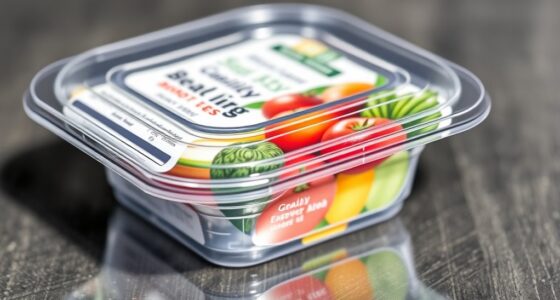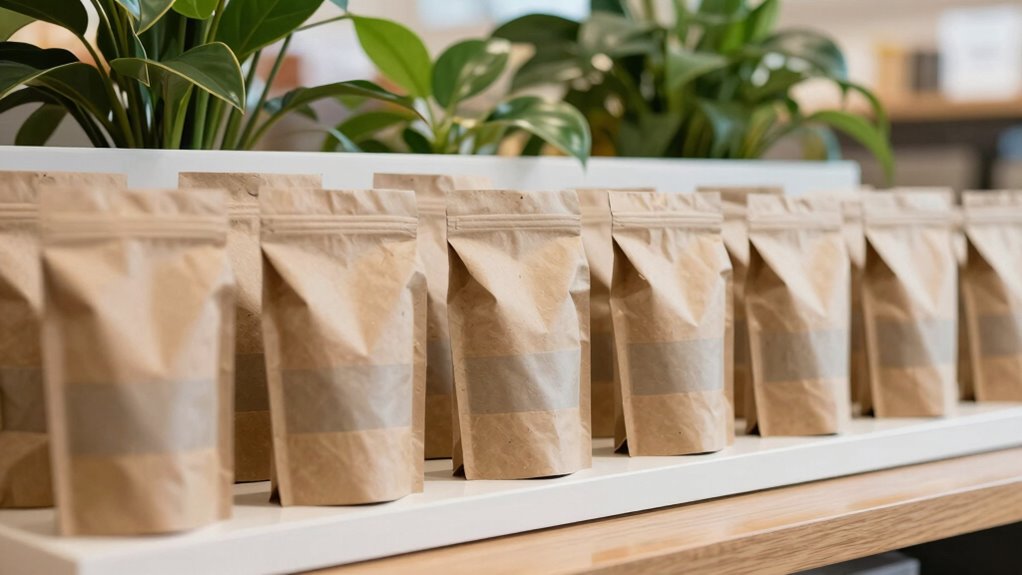

Sustainable packaging is quickly becoming the default because environmental concerns, consumer preferences, and regulations are pushing industries to adopt eco-friendly solutions. You’ll find that companies are using better materials, smarter designs, and promoting recycling to reduce waste and emissions. As awareness grows, brands see sustainable packaging as essential for reputation and loyalty. If you keep exploring, you’ll discover how this shift impacts industries and your everyday choices even more.

Get the little things that make your day delivered free with Prime
- Fast, free delivery on millions of items
- Prime Video, Amazon Music and more included
- Member-only deals all year
Key Takeaways
- Regulatory policies increasingly mandate eco-friendly packaging to reduce waste and environmental impact.
- Consumers prefer brands with sustainable practices, influencing industry standards and expectations.
- Innovations in biodegradable and reusable materials make sustainable packaging more practical and cost-effective.
- Companies adopt sustainability to enhance brand reputation and foster customer loyalty.
- Circular economy principles promote reuse, recycling, and reduction, making sustainability the new default in packaging.
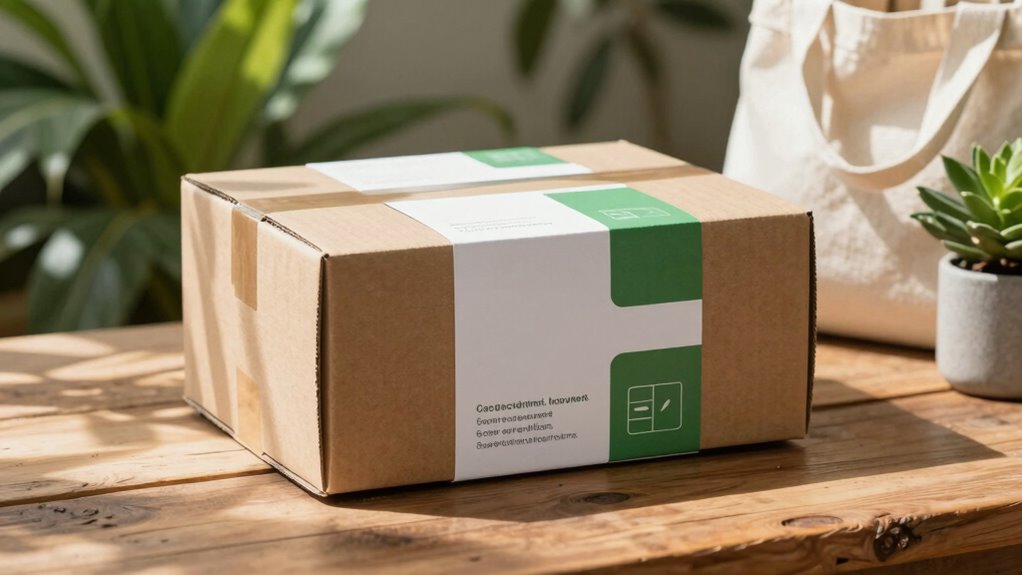
Have you ever wondered what sustainable packaging truly looks like today? It’s no longer just about reducing waste; it’s about transforming how products are designed, produced, and disposed of to minimize environmental impact. You’ll notice that many companies now prioritize eco-friendly materials, such as biodegradable plastics, recycled paper, or plant-based fibers, to create packaging that’s safer for the planet. These materials aren’t just trendy; they’re essential for meeting the rising consumer demand for responsible products. As awareness grows, so does the importance of recycling initiatives, which aim to keep materials in circulation rather than ending up in landfills. Recycling initiatives encourage you to participate actively by sorting waste properly and supporting brands that prioritize recyclable packaging. This shift underscores a broader movement toward circular economies where materials are reused and repurposed, reducing reliance on virgin resources.
Sustainable packaging transforms product design and promotes recycling for a healthier planet.
You’ll find that sustainable packaging isn’t just about the materials used but also about how packaging design minimizes waste. Companies are now adopting smarter, more efficient designs that use less material without compromising protection or aesthetics. For example, lightweight packaging reduces transportation emissions and costs, making sustainability a practical consideration across supply chains. Many brands are also incorporating labels and instructions that educate consumers on recycling or composting, reinforcing eco-friendly behaviors. This proactive approach creates a cycle where everyone plays a role in reducing environmental impact. Furthermore, advances in eco-friendly materials are making sustainable packaging more accessible and effective. Innovations like compostable films, mushroom-based packaging, and reusable containers demonstrate that sustainability can go hand in hand with functionality. These materials often come from renewable sources, reducing dependence on fossil fuels and lowering greenhouse gas emissions. As these technologies become more widespread, they set a new standard that consumers and businesses alike expect, especially as regulatory pressures continue to grow. The integration of sustainable practices across industries is helping to normalize environmentally responsible solutions as the new standard. Additionally, increasing consumer awareness about environmental issues is pushing companies to adopt more transparent and sustainable packaging solutions. Sustainability is no longer a niche concern but a baseline requirement for modern packaging.
You’ll see that the move toward sustainable packaging is driven by a combination of regulatory pressures, consumer preferences, and corporate responsibility. Governments are implementing stricter waste management policies, while consumers increasingly choose brands aligned with their values. Companies recognize that adopting sustainable practices isn’t just good for the environment—it enhances their reputation and builds customer loyalty. As a result, sustainable packaging has become the default expectation, shaping the future of retail, e-commerce, and product design. If you want to support this shift, staying informed and making eco-conscious choices can make a significant difference in pushing industries toward more sustainable practices.
Popular right now

Vitamix 5200 Professional-Grade Blender, 64 oz. Container, Black

Samsung 48-Inch S90H OLED 4K Smart TV (2026)

Dyson Ball Animal 2 Plus Corded Vacuum
As an affiliate, we earn on qualifying purchases.
Frequently Asked Questions
How Does Sustainable Packaging Impact Product Pricing?
Sustainable packaging can impact your product pricing through cost implications, as eco-friendly materials often cost more than traditional options. However, adopting sustainable packaging can also streamline your supply chain, reducing waste and inefficiencies over time. While initial costs might be higher, these investments can boost your brand’s appeal and customer loyalty, ultimately balancing out the expense and potentially increasing your market competitiveness in the long run.
What Materials Are Most Eco-Friendly for Packaging?
Did you know that biodegradable materials like cornstarch-based plastics and mushroom packaging are among the most eco-friendly options? You can support recycling initiatives by choosing these materials, which break down naturally and reduce waste. These sustainable options not only lower environmental impact but also appeal to eco-conscious consumers. By opting for biodegradable packaging, you’re making a positive difference and encouraging a greener future.
How Do Consumer Preferences Influence Sustainable Packaging Trends?
You influence sustainable packaging trends through your preferences, as consumer awareness grows. When you choose brands that prioritize eco-friendly packaging, you boost brand loyalty for companies committed to sustainability. Your conscious buying decisions encourage more brands to adopt eco-conscious materials and designs. As your awareness increases, companies feel the pressure to innovate, making sustainable packaging the standard. Your preferences directly shape the market, driving a shift toward more environmentally responsible packaging solutions.
What Challenges Do Companies Face When Adopting Sustainable Packaging?
Imagine you’re steering a ship through a storm; adopting sustainable packaging presents similar challenges. You face issues like managing a complex supply chain that guarantees eco-friendly materials are available and cost-effective. Regulatory compliance adds another layer, requiring you to meet evolving standards without sacrificing efficiency. Balancing environmental goals with operational realities is tough, but with strategic planning, you can steer your company toward sustainable success.
Will Sustainable Packaging Fully Replace Traditional Packaging Soon?
Sustainable packaging is unlikely to fully replace traditional packaging soon, but eco-friendly innovations are accelerating its adoption. You’ll see increased efforts to meet regulatory compliance, which pushes companies toward greener options. While some industries still face challenges like cost and supply chain adjustments, consumer demand for eco-conscious products is growing. Over time, these factors will make sustainable packaging more mainstream, gradually phasing out traditional options in many markets.
Conclusion
As you embrace sustainable packaging, you’re not just making a choice—you’re planting seeds for a greener future. The shift is like a rising tide, lifting brands and consumers toward a shared goal of environmental responsibility. By making eco-friendly packaging your default, you help turn the world’s fragile fabric into a resilient quilt of sustainability. Together, you’re weaving a future where caring for the planet is as natural as breathing.