

To reduce waste and live zero waste, start composting food scraps and yard waste to create nutrient-rich soil while cutting down landfill waste. Switch to reusable items like bottles, mugs, bags, and wraps to avoid single-use plastics. Make smarter choices by buying in bulk, choosing sustainable products, and repairing instead of discarding. Share these tips with others and stay committed—keeping these practices at the forefront will help you make a bigger environmental impact.

Get the little things that make your day delivered free with Prime
- Fast, free delivery on millions of items
- Prime Video, Amazon Music and more included
- Member-only deals all year
Key Takeaways
- Incorporate composting food scraps and yard waste to enrich soil and reduce landfill waste.
- Use reusable alternatives like bottles, mugs, bags, and wraps to minimize single-use plastics.
- Make smarter purchases by choosing minimal packaging, buying in bulk, and opting for sustainable materials.
- Educate others and participate in community programs to promote zero waste practices.
- Focus on small, consistent habits that collectively reduce environmental impact and support sustainability.
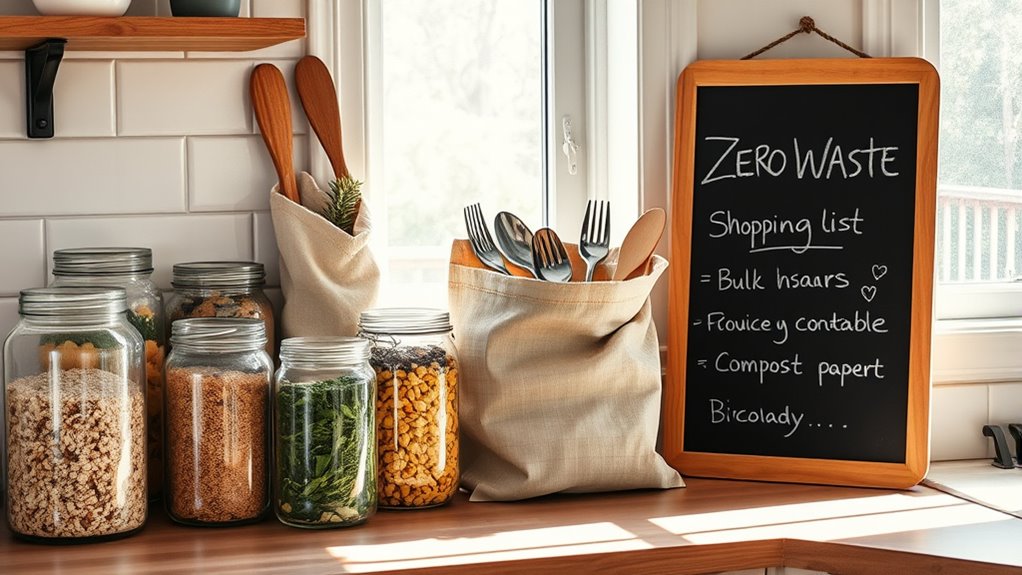
Are you looking for a way to reduce your environmental impact without sacrificing convenience? Embracing zero waste living is a practical step that can make a substantial difference. One effective way to start is by incorporating composting tips into your routine. Composting allows you to turn food scraps and yard waste into nutrient-rich soil, reducing the amount of waste that ends up in landfills. You don’t need a big backyard to get started—many cities offer community composting programs or indoor compost bins designed for small spaces. By composting your vegetable peels, coffee grounds, eggshells, and other compostable materials, you’ll minimize trash and create valuable compost for your plants. It’s an easy, eco-friendly habit that keeps organic waste out of landfills and helps improve soil health.
Switching to reusable alternatives is another impactful step toward zero waste living. Instead of relying on single-use plastics, opt for durable, reusable items that can serve you for years. Swap plastic water bottles for stainless steel or glass bottles, and replace disposable coffee cups with reusable mugs. Carry cloth shopping bags instead of plastic ones, and use reusable produce bags for fruits and vegetables. Kitchen tools like beeswax wraps or silicone storage bags can replace plastic wrap and sandwich bags. These small changes add up over time, markedly reducing the amount of waste you generate daily. Reusable alternatives are convenient, cost-effective, and often more stylish or functional than their disposable counterparts. Incorporating necessary cookies for website functionality is crucial for a seamless online experience.
Switch to reusable items like bottles, bags, and wraps to cut waste and promote sustainability.
Getting into a zero waste mindset also involves making smarter purchasing choices. Opt for products with minimal packaging or buy in bulk to reduce packaging waste. When possible, choose products made from sustainable materials or those that come with recyclable packaging. This proactive approach helps cut down on the waste created at the source and encourages manufacturers to adopt more sustainable practices. Additionally, consider repairing items instead of discarding them and donating items you no longer need. These habits foster a conscious consumption pattern that supports waste reduction.
Finally, educating yourself and others about waste management reinforces these habits. Share composting tips with friends and family, and encourage them to adopt reusable alternatives. Attend local workshops or join online communities focused on zero waste living. The more people who participate, the greater the collective impact. Remember, transitioning to zero waste living isn’t about perfection; it’s about making incremental, mindful changes that collectively lead to a healthier planet. Every step you take—whether composting your food scraps or choosing reusable alternatives—contributes to a cleaner environment and a more sustainable future.
As an affiliate, we earn on qualifying purchases.
Frequently Asked Questions
How Can I Start Reducing Waste in a Busy Lifestyle?
You can start reducing waste in your busy lifestyle by incorporating meal prepping into your routine, saving time and reducing packaging waste. Focus on efficient time management by planning ahead, which helps you avoid impulsive purchases. Use reusable containers and bags during your prep and shopping. Small daily changes, like refusing single-use plastics and composting scraps, can make a significant impact without disrupting your schedule.
What Are the Best Zero Waste Products Available Today?
You can find the best zero waste products today by choosing reusable alternatives like stainless steel water bottles, beeswax wraps, and cloth shopping bags. Look for sustainable packaging options such as biodegradable containers and refillable items. These products help you cut down on single-use plastics and waste, making it easier to live sustainably. Prioritize brands committed to eco-friendly practices, and you’ll make a meaningful difference in reducing your environmental impact.
How Do I Handle Waste in Communal Living Spaces?
Think of managing waste in shared spaces as orchestrating a symphony. You’ll coordinate shared composting to turn scraps into soil magic and organize recycling stations so everyone’s efforts harmonize. Regularly communicate with housemates, set clear guidelines, and keep bins accessible. By fostering teamwork, you transform waste management from chaos into a seamless rhythm, making your communal space a greener, more sustainable haven where everyone plays their part effortlessly.
Are There Financial Benefits to Adopting Zero Waste Habits?
Yes, adopting zero waste habits can save you money through cost savings on packaging, single-use items, and waste disposal fees. It’s a smart long-term investment because you’ll reduce consumption and avoid constantly buying new products. By focusing on reusable items and composting, you’ll notice your expenses decrease over time. Plus, you’ll contribute to a healthier environment, making it a win-win for both your wallet and the planet.
How Can Children Be Involved in Zero Waste Practices?
Imagine planting a seed of responsibility in your child’s mind. You can involve them in recycling crafts, turning old jars into treasure chests, and making eco-friendly toys from scraps, which sparks creativity and care for the planet. Encourage their curiosity, teach them about waste, and let them take ownership of small tasks. These actions help children grow into eco-conscious individuals who value sustainability and understand their role in reducing waste.
stainless steel reusable water bottle
As an affiliate, we earn on qualifying purchases.
As an affiliate, we earn on qualifying purchases.
Conclusion
So, congratulations! You’ve now mastered the art of pretending your trash magically disappears. With these simple steps, you’ll impress everyone at dinner parties while secretly hoarding glass jars and cloth bags. Just think—your landfill might cry itself to sleep, but hey, at least you’re saving the planet, one reusable straw at a time. Who knew saving the Earth could be this easy? Now go forth and make waste reduction the latest trend—your trash will thank you.
As an affiliate, we earn on qualifying purchases.
As an affiliate, we earn on qualifying purchases.
Halloween Picks
halloween
As an affiliate, we earn on qualifying purchases.