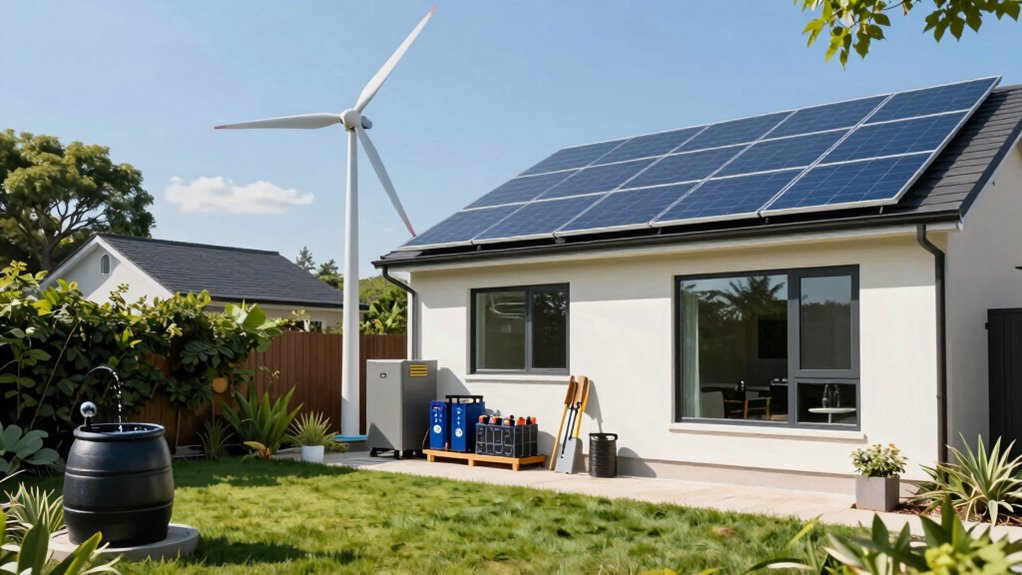

To think about energy resilience at home, focus on reducing dependence on the grid by incorporating renewable sources like solar panels and small wind turbines. Make sure you have backup systems such as batteries and generators to handle outages or fluctuations. Smart energy management and regular maintenance keep everything running smoothly. By planning for your household’s specific needs and exploring incentives, you can build a reliable, eco-friendly system that keeps your home powered—if you want to find out more, keep exploring how to optimize your setup.

Get the little things that make your day delivered free — and shop member deals
- Fast, free delivery on millions of items
- Access to Prime Big Deal Days deals on October 6–7
- Prime Video, Amazon Music and more included
Key Takeaways
- Assess your household’s energy needs and identify critical appliances to prioritize during outages.
- Incorporate renewable energy sources like solar panels and wind turbines to reduce grid dependence.
- Install backup systems such as batteries and generators to ensure continuous power during disruptions.
- Use smart energy management systems for seamless switching and optimal system performance.
- Regularly maintain and evaluate your energy setup, including storage and backup options, for long-term resilience.
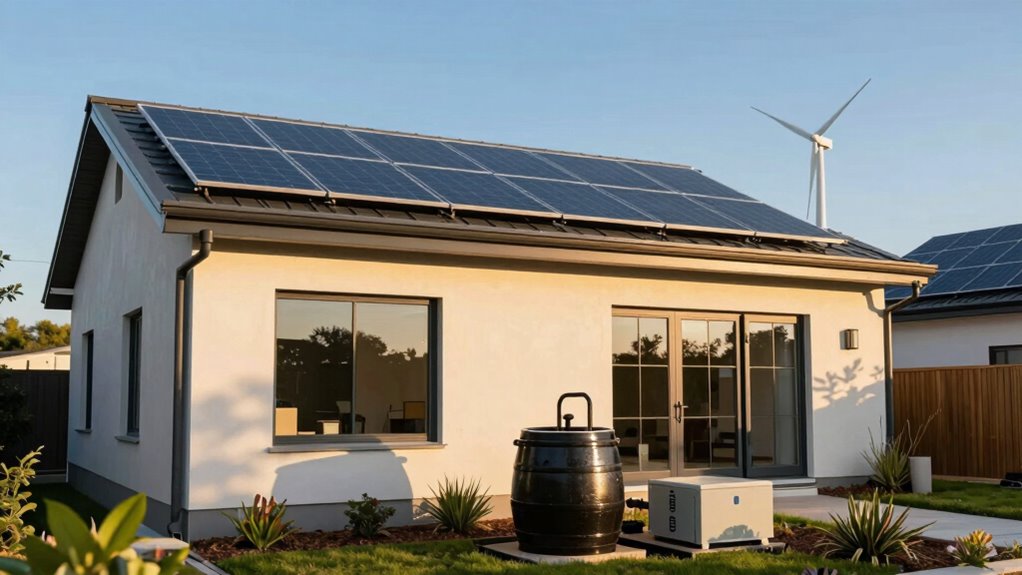
In today’s world, energy resilience at home isn’t just a luxury—it’s a necessity. With unpredictable weather, power outages, and fluctuating energy markets, you need a reliable plan to keep your home powered no matter what. One of the smartest ways to do this is by incorporating renewable sources into your energy setup. Solar panels and small wind turbines can generate clean, sustainable power, reducing your dependence on the grid. When you harness renewable sources, you’re not only protecting yourself against outages, but you’re also lowering your carbon footprint. Think of renewable energy as your primary line of defense—it’s stable, eco-friendly, and cost-effective over time. But even with renewable sources, you shouldn’t rely solely on them for your energy needs. Power generation from renewables can be intermittent, depending on weather and time of day, which is why backup systems are vital. Backup systems act as a safety net, guaranteeing you have power when your renewable sources aren’t producing enough. This can include battery storage, generators, or a combination of both. Batteries store excess energy generated during sunny or windy days, so you can draw from them during cloudy days or at night. Generators, especially those fueled by propane or natural gas, can kick in during extended outages, providing a robust backup when renewable energy falls short. When thinking about energy resilience, it’s essential to weigh the integration of these backup systems with your renewable sources. Properly sized batteries and reliable generators can make your entire setup more resilient and seamless. You might also explore smart energy management systems that automatically switch between sources, optimizing your power usage and maintaining stability. It’s not just about having backup systems but about designing a system that’s efficient, scalable, and easy to maintain. Keep in mind that investing in energy resilience isn’t just about technology; it’s about understanding your household’s energy needs and planning accordingly. Conduct energy audits to identify your consumption patterns and adjust your backup capacity accordingly. Regular maintenance of your renewable sources and backup systems will ensure they perform when needed most. Additionally, understanding the importance of energy markets can help you make more informed decisions about when to invest in specific solutions. Recognizing energy consumption patterns is crucial for sizing your backup systems appropriately. It’s also beneficial to consider energy storage options that can enhance your system’s flexibility and reliability. Furthermore, staying informed about renewable energy incentives can help you maximize your investment and reduce costs. To further enhance resilience, exploring grid independence strategies can provide additional security for your home’s energy supply. Ultimately, thinking about energy resilience at home is about creating a dependable, sustainable energy ecosystem that safeguards your comfort and safety, regardless of external disruptions. By combining renewable sources with intelligent backup systems, you’re taking control of your energy future, making your home more resilient, eco-friendly, and prepared for whatever challenges lie ahead.
As an affiliate, we earn on qualifying purchases.
Frequently Asked Questions
What Are the Costs Associated With Improving Home Energy Resilience?
Improving your home’s energy resilience involves costs like equipment upgrades, backup power systems, and insulation. You should do a thorough cost estimation to understand expenses, which often include a breakdown of installation, materials, and potential permits. While upfront costs can be significant, consider long-term savings on energy bills and increased home safety. Planning ahead helps you prioritize projects and find funding options or incentives that can offset expenses.
How Long Does It Take to Implement Energy Resilience Measures?
Implementing energy resilience measures can take anywhere from a few days to several months, depending on your home’s needs. If you’re focusing on renewable integration and smart grid technologies, the timeline may extend due to planning, permits, and installation. You should work with professionals to develop a timetable, but generally, small upgrades are quicker, while exhaustive systems require more time to ensure proper integration and testing.
Are There Government Incentives for Energy Resilience Upgrades?
Did you know that over 20% of households qualify for government incentives? Yes, policy incentives and financial assistance programs are available to help you upgrade your home’s energy resilience. These incentives can substantially reduce costs for solar panels, battery storage, and energy-efficient appliances. By taking advantage of such programs, you can boost your home’s resilience while saving money and contributing to a more sustainable future.
How Does Climate Change Impact Home Energy Resilience Strategies?
Climate change challenges your home’s energy resilience by increasing extreme weather events. To adapt, you should focus on renewable integration—installing solar panels or wind turbines to reduce dependence on unstable grids. Climate adaptation strategies, like upgrading insulation and securing backup power sources, help you maintain energy stability during disruptions. By proactively combining renewable energy solutions with climate resilience measures, you can better protect your home against evolving climate risks.
Can Energy Resilience Measures Increase Property Value?
Think of your home as a fortress, where energy resilience measures strengthen your defenses. Investing in renewable energy and a smart grid can boost your property’s value by making it more attractive to buyers seeking sustainable, reliable living spaces. These upgrades demonstrate foresight and responsibility, increasing your home’s appeal. Ultimately, embracing energy resilience not only secures your comfort during outages but also enhances your property’s market worth.
As an affiliate, we earn on qualifying purchases.
Conclusion
Remember, a stitch in time saves nine. By investing in energy resilience now—like installing backup systems, improving efficiency, and exploring renewable sources—you’re not just preparing for emergencies, but securing your comfort and independence long-term. Don’t wait for a crisis to remind you of its importance. Take proactive steps today, and you’ll build a more resilient home that can weather any storm. After all, being prepared is the best way to stay ahead of the game.
As an affiliate, we earn on qualifying purchases.
As an affiliate, we earn on qualifying purchases.
Fall Picks
fall essentials
As an affiliate, we earn on qualifying purchases.