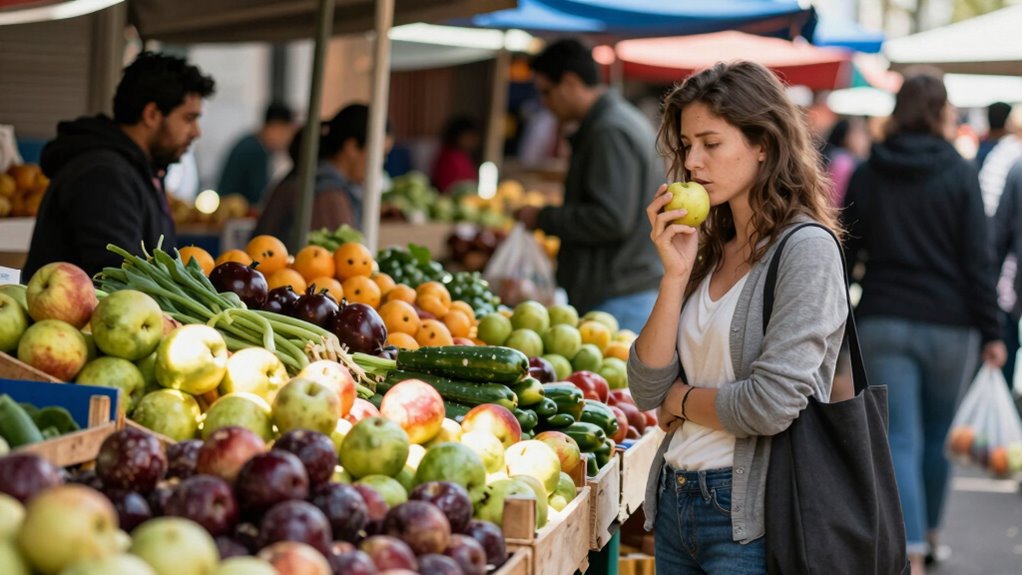

Ethical consumption is harder than it sounds because supply chains are often opaque, making it tough to verify if products meet ethical standards. Labels like “sustainable” or “fair trade” can be misleading or poorly regulated, and different countries have varying rules, complicating judgments. Cultural norms and weak enforcement add to the confusion. If you keep exploring, you’ll discover ways to avoid common pitfalls and make more informed choices.

Get the little things that make your day delivered free — and shop member deals
- Fast, free delivery on millions of items
- Access to Prime Big Deal Days deals on October 6–7
- Prime Video, Amazon Music and more included
Key Takeaways
- Supply chains are complex and lack transparency, making it difficult to verify ethical practices at each stage.
- Differing international standards and cultural norms complicate consistent ethical assessments.
- Labels and certifications can be misleading or inconsistent, creating confusion about genuine ethical claims.
- Companies often withhold detailed sourcing information, hindering consumers’ ability to make informed decisions.
- Personal values and interpretations influence perceptions, adding subjectivity to ethical consumption choices.
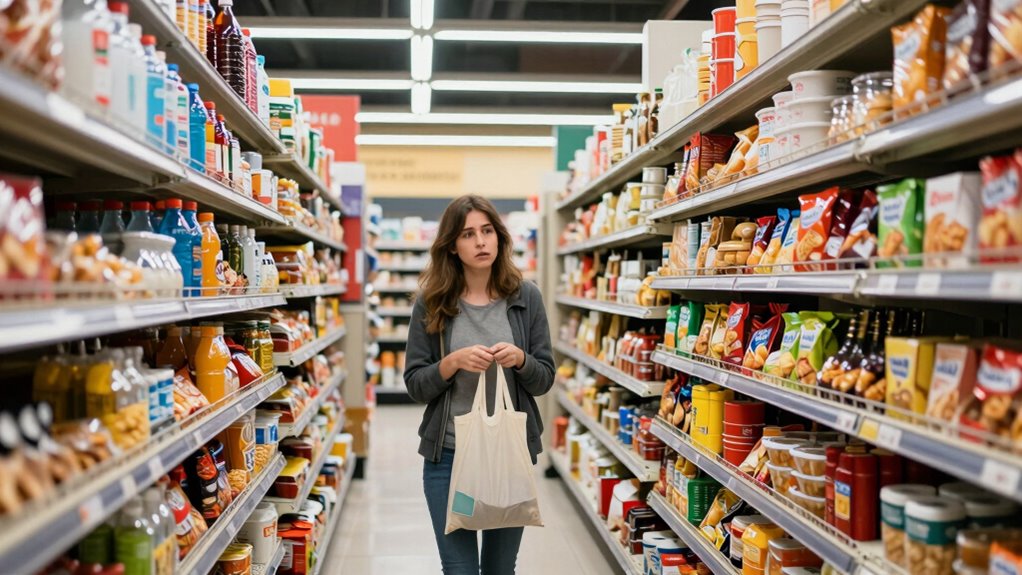
Have you ever wondered how easy it is to make ethical choices when shopping? It’s tempting to believe that selecting fair-trade coffee or cruelty-free cosmetics is straightforward, but the reality is far more complicated. One major challenge lies in understanding supply chain complexities. Products often pass through multiple hands and countries before reaching you, making it difficult to verify whether each step adheres to ethical standards. For example, a piece of clothing might be labeled as “sustainable,” but that label doesn’t always reveal the working conditions of the factory workers or the environmental impact of the manufacturing process. You might find yourself trusting brands without full transparency, which can lead to unintended support of unethical practices. This opacity makes it hard to truly know whether your purchase aligns with your values. Additionally, supply chain transparency remains a significant hurdle for consumers trying to make ethical decisions, as companies often lack clear disclosures about their sourcing practices. Understanding the complexity of supply chains can help consumers better grasp these challenges and advocate for more transparency.
Understanding supply chains is key to making truly ethical shopping choices.
Adding to the difficulty are cultural influences that shape how products are produced and marketed. Different countries have varying standards for labor rights, environmental protections, and corporate accountability. What’s considered acceptable in one region might be seen as unacceptable elsewhere, complicating the global landscape of ethical consumption. As a consumer, you’re often faced with products made in countries where regulations are weaker or enforcement is inconsistent. Cultural norms may also influence how companies operate—sometimes prioritizing cost-cutting over ethics because that’s what’s culturally accepted or expected. These influences can obscure your understanding of what’s truly ethical, making it harder to make informed choices when faced with diverse options. Moreover, global standards for ethical practices are often inconsistent, further complicating your ability to judge products accurately. Additionally, supply chain transparency remains a significant hurdle for consumers trying to make ethical decisions.
Furthermore, even when you do want to make ethical decisions, the abundance of labels, certifications, and claims can be confusing. Terms like “fair trade,” “organic,” or “eco-friendly” aren’t always regulated consistently, and some brands may misuse them to boost sales without delivering genuine benefits. This creates a gray area where you must decipher which claims are legitimate and which are marketing tricks. The challenge is compounded by the fact that your personal values might differ from others’ interpretations of ethics, meaning what’s acceptable to one person might not be to another. Recognizing these issues can help you approach your shopping habits with greater awareness and a more nuanced understanding of what it truly means to buy ethically. Additionally, understanding the role of certification standards can help consumers better navigate these claims and make more informed choices.
As an affiliate, we earn on qualifying purchases.
Frequently Asked Questions
How Can Consumers Verify the Ethical Claims of Products?
You can verify the ethical claims of products by researching brands’ transparency and evaluating their labor practices. Look for certifications like Fair Trade or B Corp that guarantee ethical standards. Check the company’s website for detailed supply chain info, and read reviews or reports highlighting their commitments. Asking questions and staying informed helps you make conscious choices, guaranteeing the products you buy align with your values.
Does Ethical Consumption Always Cost More?
Ethical consumption often costs more, much like choosing quality over quick fixes. You might notice that brands emphasizing price transparency and ethical branding tend to charge higher prices, reflecting fair wages and sustainable practices. For example, a fair-trade coffee may cost more, but you pay for better working conditions and eco-friendly farming. So, while not always, ethical products generally require a financial commitment, aligning your values with your spending.
Are There Specific Certifications That Guarantee Ethical Standards?
Yes, there are specific certifications that guarantee ethical standards. Third-party seals like Fair Trade, Rainforest Alliance, and B Corporation verify that products meet ethical criteria. These labels provide transparency and help you identify ethically produced goods. Look for ethical labeling on packaging, and research what each certification involves to guarantee the products align with your values. Trusting reputable seals makes ethical consumption easier and more reliable.
How Do Cultural Differences Influence Ethical Consumption?
Cultural differences shape how you view ethical consumption, much like a kaleidoscope changes patterns with each turn. Cultural perceptions influence what you see as ethical, which can lead to ethical dilemmas when your values clash with local norms. You might prioritize fair wages in one culture, but in another, community loyalty or tradition takes precedence. These varying perspectives make it challenging to follow a universal standard for ethical consumption.
Can Ethical Consumption Significantly Impact Global Supply Chains?
Yes, ethical consumption can substantially impact global supply chains by demanding greater supply chain transparency and encouraging companies to prioritize corporate accountability. When you choose ethically made products, you push brands to improve labor conditions, reduce environmental harm, and be more transparent about their sourcing. Over time, your conscious choices can lead to widespread change, compelling companies to adopt more sustainable and ethical practices throughout their entire supply chain.
As an affiliate, we earn on qualifying purchases.
Conclusion
Managing ethical consumption is like trying to find a needle in a haystack—you want to do good, but the options are tangled and confusing. While it’s not always easy, every conscious choice you make is a small step toward change. Remember, even tiny ripples can cause waves, so don’t get discouraged if the journey feels overwhelming. Keep aiming, and over time, your mindful actions can turn the tide toward a more ethical world.
As an affiliate, we earn on qualifying purchases.
ethical supply chain transparency
As an affiliate, we earn on qualifying purchases.
As an affiliate, we earn on qualifying purchases.
NFL season / tailgating Picks
team gear
As an affiliate, we earn on qualifying purchases.