
TL;DR
Open a free Amazon Business account
Business pricing, bulk buying and tax-exempt orders.
As an affiliate, we earn on qualifying purchases.
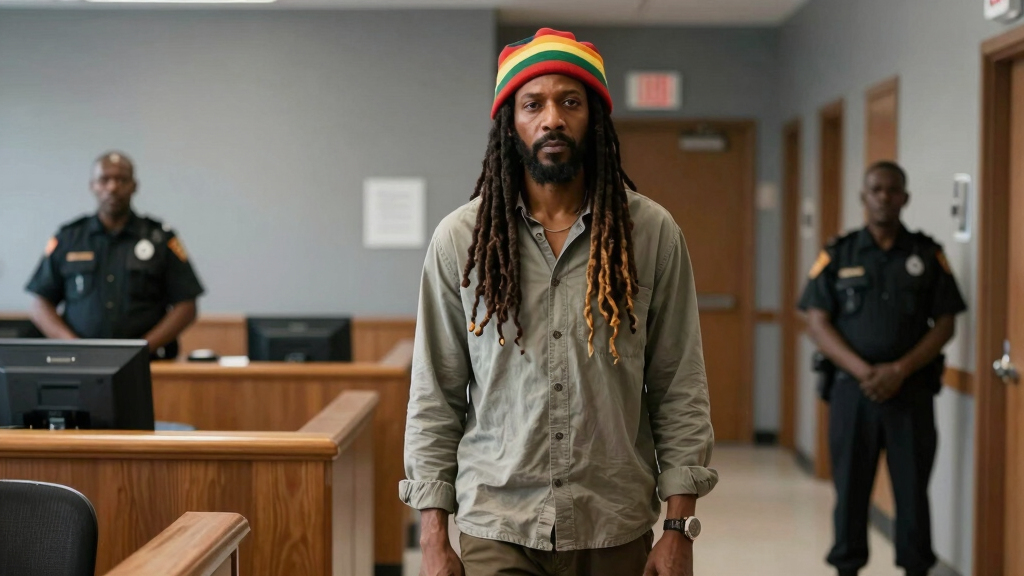
The U.S. Supreme Court has upheld a lower court decision, ruling that a Rastafarian man cannot pursue legal action against guards who cut his dreadlocks. The decision emphasizes institutional safety over religious expression. The case raises questions about religious rights and prison policies.
The U.S. Supreme Court has ruled that a Rastafarian man cannot sue prison guards who cut his dreadlocks, citing safety and security concerns. This decision affects religious expression rights within correctional facilities and clarifies the limits of religious accommodation in such settings.
The case involved a Rastafarian inmate whose dreadlocks were forcibly cut by prison guards during his incarceration. The inmate filed a lawsuit claiming violation of his religious rights. The Supreme Court, in a 6-3 decision, upheld lower court rulings that dismissed the lawsuit, stating that prison safety policies justify the removal of religious symbols such as dreadlocks. The Court emphasized that security concerns, including the risk of concealing contraband, justify such actions, and that religious rights do not outweigh institutional safety needs. Justice Samuel Alito authored the majority opinion, which was joined by five other justices. The dissent, led by Justice Sonia Sotomayor, argued that the ruling undermines religious freedoms protected under the First Amendment and sets a problematic precedent for religious expression in prisons.
Implications for Religious Rights in Prisons
This ruling narrows the scope of religious accommodation within correctional facilities, emphasizing institutional safety over individual religious expression. It may influence future legal cases involving religious symbols and practices in prisons nationwide. The decision raises concerns among religious groups about the limits of religious freedom and how security policies are applied, potentially impacting other religious practices in detention settings.
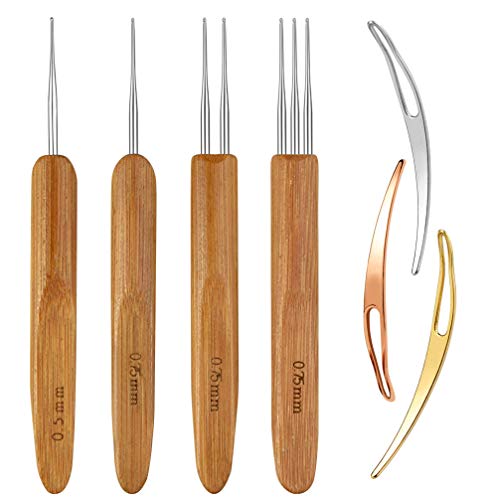
tiggell Dreadlock Crochet Hooks for Hair, Crochet Needles for Hair Kit
- Material: Stainless steel with bamboo handle
- Product Size: 13.6cm total length
- Needle Length: 3.7cm for needles
As an affiliate, we earn on qualifying purchases.
As an affiliate, we earn on qualifying purchases.
Legal Background of Religious Rights and Prison Policies
The case stems from longstanding debates over religious rights in correctional environments. Courts have historically balanced individual religious freedoms against security concerns, often allowing restrictions if justified. Prior to this case, some courts had recognized inmates’ rights to maintain religious symbols, but the Supreme Court’s recent ruling signals a shift toward prioritizing institutional safety. The specific incident involved prison guards cutting dreadlocks, a sacred symbol for Rastafarians, which the inmate argued was a violation of his First Amendment rights. The case reached the Supreme Court after lower courts dismissed the inmate’s claims, citing prison safety policies as justification.
“Prison security measures, including the cutting of dreadlocks, are justified by the need to maintain safety and order within correctional facilities.”
— Justice Samuel Alito

Lion of Judah – Rastafari Flag Background – 1.5" Round Button
- Size: 1.5-inch round button
- Versatile Use: Pin on shirts, bags, or straps
- Decorative Accessory: Enhance belongings with a stylish button
As an affiliate, we earn on qualifying purchases.
As an affiliate, we earn on qualifying purchases.
Unclear Impact on Future Religious Rights Cases
It remains uncertain how broadly this ruling will be applied to other religious symbols or practices in prisons and detention centers. Legal experts suggest future cases may test the limits of the Court’s emphasis on security versus religious rights, but specific legal standards for such restrictions are still to be clarified. Additionally, the ruling’s impact on policies in different jurisdictions is yet to be seen, as states may interpret the decision variably.

Nicky Bigs Novelties Bishop Hat, Pope Hat For Adult, Priest Hats, Cardinal Hats, Priest Accessories, Bishop Costume For Adults, Pope Costume For Adults
- Design: Ceremonial bishop-style pope hat
- Size & Fit: One size fits most adults
- Comfort: Lightweight with soft inner lining
As an affiliate, we earn on qualifying purchases.
As an affiliate, we earn on qualifying purchases.
Next Steps for Prison Religious Rights Policies
Legal advocates are expected to scrutinize this decision’s implications and may pursue further litigation to define the boundaries of religious accommodation in correctional settings. Some organizations may advocate for clearer guidelines that protect religious expression while maintaining security. Meanwhile, correctional institutions might review and adjust their policies to align with the Court’s ruling, potentially limiting the scope of religious symbols permitted in prisons.

5 Pieces Dreadlock Crochet Hooks for Hair, Loc Needle Interlocking Tool for Braid Craft (0.5mm)
- Package Includes: 3 crochet hooks and 2 locking tools
- Hook Size: 0.5 mm model with 13.5cm length
- Material: Stainless steel hooks with bamboo handles
As an affiliate, we earn on qualifying purchases.
As an affiliate, we earn on qualifying purchases.
Key Questions
Can inmates now be denied religious symbols if security concerns are cited?
Yes, according to the Supreme Court’s ruling, security concerns can justify restrictions on religious symbols like dreadlocks in prisons, but the application may vary based on specific circumstances and policies.
Does this ruling affect all religious practices in prisons?
The ruling primarily addresses the issue of religious symbols such as dreadlocks. Its broader impact on other religious practices remains uncertain and may be addressed in future cases.
Could this ruling lead to increased restrictions on religious expression in detention facilities?
Potentially, as correctional authorities may interpret the decision as giving more weight to security concerns over religious expression, possibly resulting in more restrictions.
What was the main legal argument used by the Court?
The Court emphasized that prison safety and security concerns justify restrictions on religious symbols, and that such restrictions do not violate the First Amendment in this context.
Yes, it sets a precedent that may be cited in future cases where security concerns are used to justify limiting religious expression in correctional settings.
Source: google-trends
Baby shower & registry season Picks
baby registry must-haves
As an affiliate, we earn on qualifying purchases.