TL;DR

Get the little things that make your day delivered free with Prime
- Fast, free delivery on millions of items
- Prime Video, Amazon Music and more included
- Member-only deals all year
National Night Out, an annual community safety event, has experienced a significant increase in international media coverage, with 11 mentions this week—11 times its usual baseline. This surge indicates rising global interest in community policing and neighborhood safety initiatives.
National Night Out has seen a notable surge in international media coverage, with reports increasing to 11 mentions within a single reporting window—11 times its usual baseline, according to GDELT data. This rise underscores the event’s expanding global profile and growing recognition beyond its traditional U.S. origins.
National Night Out is an annual community crime prevention event traditionally held in the United States, aimed at strengthening neighborhood police-community relations. This event has gained international attention, similar to Queen Letizia’s global coverage. Recent data from GDELT indicates that this year, the event has garnered 11 mentions in international media outlets within a specific window, a significant increase from previous coverage levels.
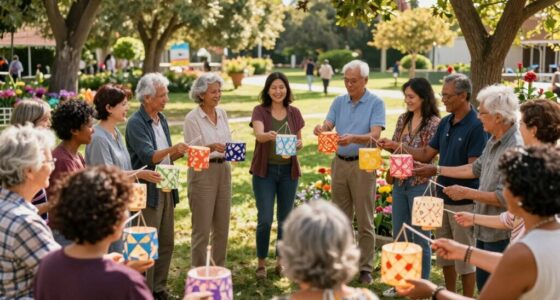
Media outlets across multiple countries have begun reporting on the event, highlighting activities such as neighborhood block parties, community safety initiatives, and police engagement efforts. The surge in coverage suggests that the event’s message resonates globally, and that communities worldwide are increasingly adopting similar community policing strategies.
Officials and organizers note that this heightened attention may be linked to broader global discussions on public safety, community resilience, and police-community partnerships, which have gained prominence in recent months amid international debates on policing practices. For more on international relations, see Queen Letizia’s global coverage.
Global Recognition Elevates Community Safety Initiatives
The surge in international media coverage of National Night Out indicates a growing global interest in community-based safety programs. Increased visibility can lead to broader adoption of neighborhood policing strategies, fostering safer communities worldwide. This recognition also highlights the event’s potential as a model for community engagement and crime prevention, encouraging other countries to implement similar initiatives.
neighborhood watch security camera
As an affiliate, we earn on qualifying purchases.
As an affiliate, we earn on qualifying purchases.
International Media Engagement Reflects Broader Safety Trends
National Night Out, established in the U.S. in 1984, has historically focused on strengthening police-community relations and reducing neighborhood crime. While primarily a domestic event, recent years have seen an increase in its visibility, partly driven by social media and global discussions on public safety. The recent spike in media mentions, recorded by GDELT, suggests a shift toward international recognition, with media outlets in Europe, Asia, and other regions beginning to report on the event’s activities and principles.
Prior to this surge, coverage was largely limited to local and national outlets. The current increase may be linked to broader themes of community resilience and policing reform, which are gaining traction worldwide amid ongoing debates about law enforcement practices and public safety strategies.
As an affiliate, we earn on qualifying purchases.
Extent and Impact of International Coverage Still Unclear
While the increase in mentions is confirmed by GDELT data, it remains unclear how widespread or sustained this coverage will be. It is not yet confirmed whether these mentions translate into increased participation, policy changes, or long-term recognition of the event outside the U.S. Additionally, the specific countries or media outlets driving this surge have not been fully identified.
outdoor neighborhood safety lights
As an affiliate, we earn on qualifying purchases.
As an affiliate, we earn on qualifying purchases.
Monitoring Future Media Trends and Community Engagement
Authorities and organizers will likely monitor ongoing media coverage to assess whether this surge translates into greater international awareness and participation. Future reporting may reveal whether other countries adopt similar community safety initiatives inspired by National Night Out. Stakeholders will also watch for potential policy shifts or increased funding for community policing programs globally.
As an affiliate, we earn on qualifying purchases.
Key Questions
Why has National Night Out gained international attention now?
The recent surge may be linked to increased global discussions on public safety and community policing, amplified by social media and international media outlets highlighting the event’s principles and activities.
Which countries are most involved in this international coverage?
The specific countries and media outlets have not been fully identified, but reports indicate coverage across Europe, Asia, and other regions.
Will this increased coverage lead to more international participation?
It is too early to determine whether coverage will translate into active participation or policy adoption outside the U.S., but increased awareness could encourage such developments.
How does this coverage impact local communities involved in National Night Out?
While the primary focus remains on community safety and police relations, broader recognition may inspire increased support and funding for local initiatives, both domestically and internationally.
What are the next steps for organizers and policymakers?
They will likely track media trends, promote community engagement efforts, and explore opportunities to expand the event’s reach internationally.
Source: gdelt
NFL season / tailgating Picks
team gear
As an affiliate, we earn on qualifying purchases.