TL;DR

Get the little things that make your day delivered free with Prime
- Fast, free delivery on millions of items
- Prime Video, Amazon Music and more included
- Member-only deals all year
The Good Trade published a buyer’s guide to seven toddler table-and-chair sets, comparing materials, certifications, prices and product features. The supplied source gives details for only three products—Lalo, Nestig and Piccalio—so the remaining four cannot be identified or assessed from the material provided.
The Good Trade has published a guide to seven toddler table-and-chair sets from brands it describes as nontoxic and sustainably made, with product details including materials, prices, certifications and intended uses. The supplied excerpt identifies only three of the seven selections—Lalo, Nestig and Piccalio—so it does not support a full comparison of the list.
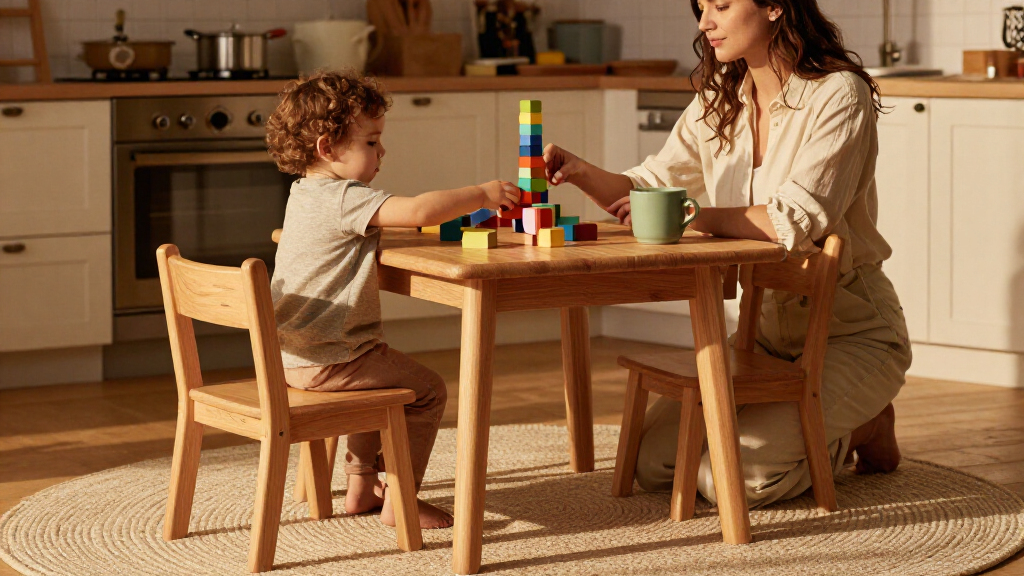
The guide presents the sets as child-sized spaces for activities such as coloring, reading, snacks and play. It says its editors considered sustainability, natural or recycled materials and affordability, and looked for brands that explain how and where products are made. The excerpt also says the publication earns commissions from some linked purchases, a financial relationship readers should keep in mind when using its recommendations.
The three products described in the supplied material are priced at $299 or more for Nestig, $325 for Lalo and $339 for Piccalio. Lalo’s Play Kit is described as using beechwood, plywood, BPA-free plastic and water-based paints; the article says its chairs can convert to stools and support up to 250 pounds. Nestig’s listed materials include solid Brazilian pine and engineered wood from reforested land. Piccalio’s set is described as FSC-certified European beechwood, with a GREENGUARD Gold certification and a nontoxic finish.
Those descriptions and certifications are reported by The Good Trade; the supplied text does not include independent testing results or documentation to verify them. It also contains editorial language and customer reviews, which are not the same as laboratory findings. The source includes a Piccalio customer review describing use by a 16-month-old, but its excerpt ends before the full review is shown.
What Buyers Can Compare
The guide gives caregivers a starting point for comparing price, materials and practical features in furniture made for young children. A dedicated, appropriately sized table can provide a place for ordinary activities at home, while features such as convertible chairs or portable designs may affect how long a set remains useful. Those are practical considerations, not proof that a particular product improves development or is safer than alternatives.
For families prioritizing chemical emissions or sustainably sourced wood, named certifications may help frame further research. However, the guide’s descriptions alone do not establish what a certification covers, whether a particular model or finish is included, or how products compare with one another. Readers may want to review certification records, assembly and age guidance, and current retailer information before buying.
Popular right now

Breville BES870XL Barista Express Espresso Machine, Brushed Stainless Steel

Ninja Foodi Air Fryer, 8 Qt DualZone, 6-in-1, Grey, DZ201

Dyson W1 PencilWash Cordless Wet and Dry Floor Cleaner with Dock
As an affiliate, we earn on qualifying purchases.
How The Guide Selects Sets
The Good Trade describes Montessori as a child-centered approach that emphasizes hands-on experiences and play. It says a small table and chairs can give a child a designated place for activities such as art, reading and social play. These are the publication’s rationale for the product category, rather than findings from a study included in the supplied material.
According to the excerpt, the editors’ selection criteria include sustainability, natural or recycled materials, and a range of prices. The publication says it favors brands that explain production practices and have third-party certifications such as FSC, GREENGUARD and Fair Trade. It also recommends considering secondhand furniture when possible. The source does not provide a publication date, a detailed testing protocol, or information about how each candidate was evaluated.
““Our editors researched the best brands making Montessori tables and chairs.””
— The Good Trade
What The Excerpt Leaves Out
The supplied source material does not name or describe four of the seven products, so their prices, materials and features cannot be reported here. It also does not provide a publication date, product-testing results, certification records, or a direct comparison of the sets’ dimensions, age ranges and assembly requirements.
Product listings and prices can change, and the source excerpt does not establish that the quoted prices remain current. The meaning and scope of claims such as “nontoxic” depend on the specific product, materials and evidence behind them. No claim that every product is independently verified as safe or sustainable can be made from the supplied material alone.
Check Current Product Details
Caregivers considering a purchase can check the original guide and each manufacturer’s current listing for availability, price, dimensions, age guidance and care instructions. For certification or materials claims, they can consult the relevant certification body or ask the seller for product-specific documentation. The supplied source does not announce a future test, update or review milestone, so further reporting or publication updates cannot be predicted from it.
Key Questions
Which three table-and-chair sets are identified in the supplied guide excerpt?
The excerpt describes the Lalo Play Kit, Nestig’s Montessori-style sets and Piccalio’s minimalist table-and-chair set. It does not identify the other four products in the seven-item guide.
What prices does the excerpt give?
It lists Lalo at $325, Nestig at $299 and up, and Piccalio at $339. The source does not confirm whether those prices are still current.
Are the products independently verified as nontoxic?
The supplied material reports product materials and certifications as described by The Good Trade, but includes no independent test results or certification documents. Readers should verify claims for the specific product and model before buying.
Does The Good Trade earn money from purchases?
Yes. The publication says it earns commissions on some linked purchases. That disclosure does not by itself establish whether a specific recommendation was affected, but it is relevant when evaluating the guide.
Source: thegoodtrade.com