
TL;DR

Get the little things that make your day delivered free with Prime
- Fast, free delivery on millions of items
- Prime Video, Amazon Music and more included
- Member-only deals all year
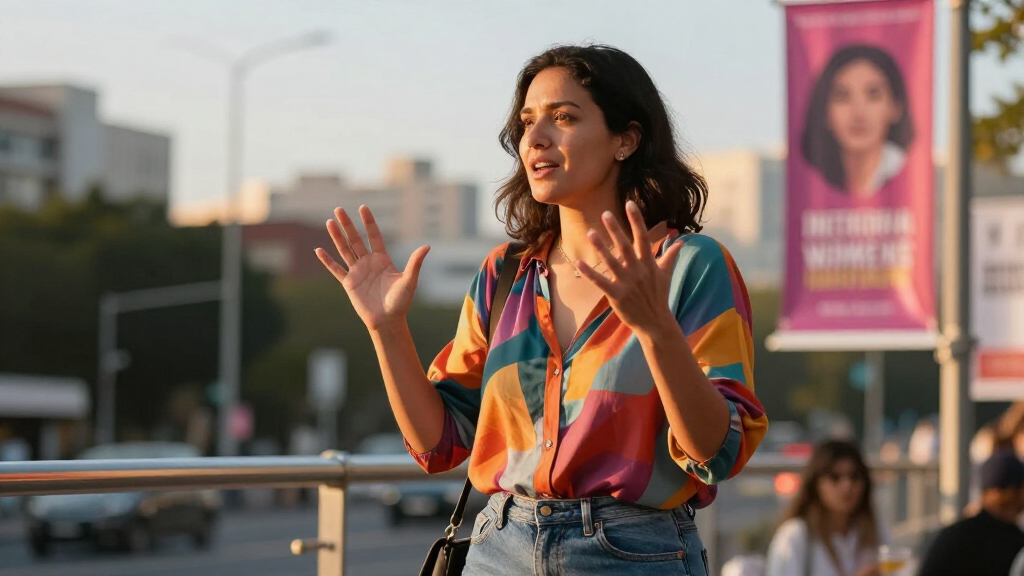
This year, International Women’s Day has seen a notable rise in global media coverage, with 36 mentions in a recent media analysis, reflecting growing public and media interest. The surge highlights increased awareness and discussions around gender equality.
International Women’s Day has experienced a significant surge in global media coverage, with 36 mentions recorded in a recent media analysis, compared to a baseline of fewer mentions. This increase underscores the growing prominence of the day as a platform for gender equality discussions and social movements worldwide.
According to data from GDELT, a media monitoring platform, there have been 36 mentions of International Women’s Day within a recent reporting window, representing a notable rise from previous years’ coverage levels. The surge is observed across multiple regions and media outlets, including major newspapers, online platforms, and broadcast channels.
Experts attribute this increase to heightened global focus on women’s rights, recent social movements, and prominent public figures participating in events and campaigns related to gender equality. Several countries marked the day with national campaigns, protests, and policy discussions, further amplifying media attention.
While the data confirms the spike in mentions, it is unclear whether this surge correlates directly with increased public engagement or policy action. The analysis does not specify the tone or content of the coverage, which varies from celebratory to critical of ongoing issues.
Impact of Increased Media Attention on Gender Equality Discussions
The surge in media coverage of International Women’s Day reflects a broader societal shift towards greater awareness of gender issues. Increased visibility can influence public opinion, policy debates, and corporate practices, potentially accelerating progress on gender equality. However, the actual impact depends on how media coverage translates into tangible action and policy change, which remains to be seen.International Women's Day themed apparel
As an affiliate, we earn on qualifying purchases.
As an affiliate, we earn on qualifying purchases.
International Women’s Day has traditionally been observed with rallies, campaigns, and media coverage highlighting women’s rights since its inception in 1911. Recent years have seen a rise in global movements such as #MeToo and campaigns addressing wage gaps and reproductive rights, which have kept gender issues in the public eye. The recent analysis indicates that these movements, along with increased political and corporate participation, are contributing to the current surge in coverage.
Media attention has fluctuated over the years, but the current spike is among the highest recorded, suggesting a possible turning point in mainstream engagement with gender equality topics. This trend coincides with broader societal debates on gender roles, representation, and policy reforms across different countries.
It is not yet clear whether this increased media focus will lead to sustained policy changes or if it remains a momentary spike driven by specific events or campaigns.
“The increased coverage reflects a shift in societal priorities, but we must ensure it leads to meaningful policy reforms and societal change.”
— Maria Lopez, Gender Rights Advocate
As an affiliate, we earn on qualifying purchases.
Unclear Whether Coverage Will Lead to Lasting Change
While media coverage has increased, it remains uncertain whether this will result in sustained policy changes or shifts in public attitudes. The current spike may be driven by specific events or campaigns, but its long-term impact on gender equality initiatives is still unclear.
As an affiliate, we earn on qualifying purchases.
Monitoring Policy and Public Engagement Post-Coverage
Experts suggest monitoring upcoming policy debates, corporate initiatives, and public engagement around gender issues to assess whether the media surge influences tangible change. Future analyses will determine if this increased attention sustains or diminishes over time, and whether it translates into concrete reforms or societal shifts.
As an affiliate, we earn on qualifying purchases.
Key Questions
Why has International Women’s Day seen a surge in media coverage?
The increase is linked to heightened global awareness of gender issues, social movements like #MeToo, and increased participation by governments and organizations in gender equality campaigns.
Does increased media coverage mean real progress in gender equality?
Not necessarily. While greater coverage raises awareness, whether it leads to policy changes or societal shifts depends on subsequent actions and sustained engagement.
Which regions are most contributing to the coverage surge?
Media analysis indicates increased mentions across North America, Europe, and parts of Asia, reflecting a broad international trend.
Will this coverage influence future policies?
It is uncertain. Increased visibility can pressure policymakers, but concrete policy reforms depend on political will and societal advocacy in the coming months.
How is the media coverage measured?
GDELT tracks mentions across various media outlets, counting frequency within a specific reporting window to gauge coverage levels.
Source: gdelt
Columbus Day / Indigenous Peoples' Day Picks
long weekend sales
As an affiliate, we earn on qualifying purchases.