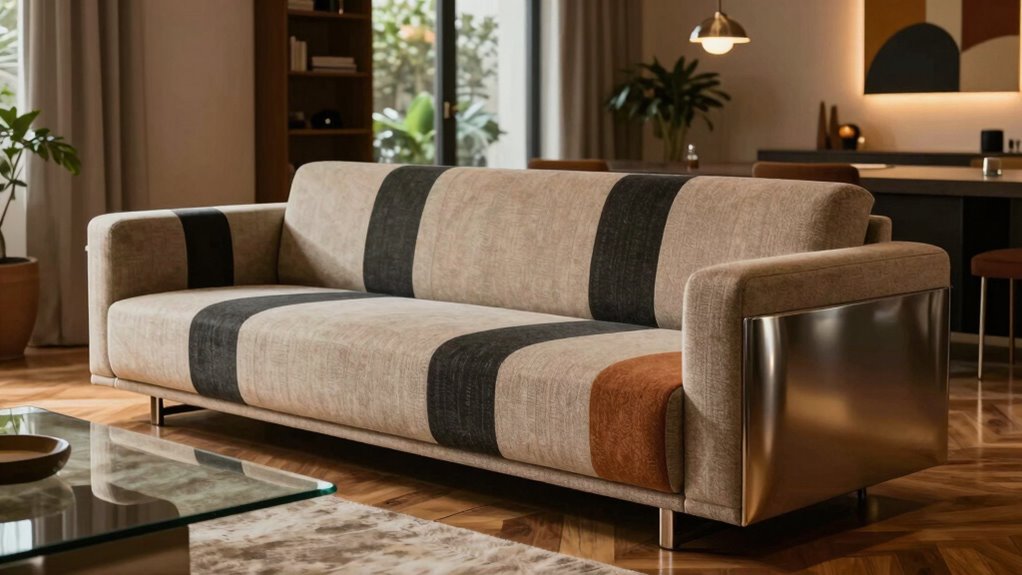

Design trends swing back and forth because they are deeply connected to societal values, cultural shifts, and timeless principles like balance, simplicity, and harmony. As society evolves, these styles reemerge, often with fresh twists that blend innovation with nostalgia. New materials and technologies give old designs new life, keeping trends dynamic and relevant. If you keep exploring, you’ll discover how these cycles reflect our ongoing cultural journey and influence the future of design.

Get the little things that make your day delivered free with Prime
- Fast, free delivery on millions of items
- Prime Video, Amazon Music and more included
- Member-only deals all year
Key Takeaways
- Design trends cycle due to society’s nostalgia and desire for familiarity, revisiting past styles with modern updates.
- Core principles like balance and simplicity remain timeless, allowing old styles to be reinterpreted effectively.
- Innovations in materials and technology enable the revival of classic designs with new functionalities.
- Cultural and societal shifts influence which styles reemerge, reflecting current values and aesthetic preferences.
- Design mirrors societal evolution, leading to recurring patterns that blend past influences with contemporary innovation.
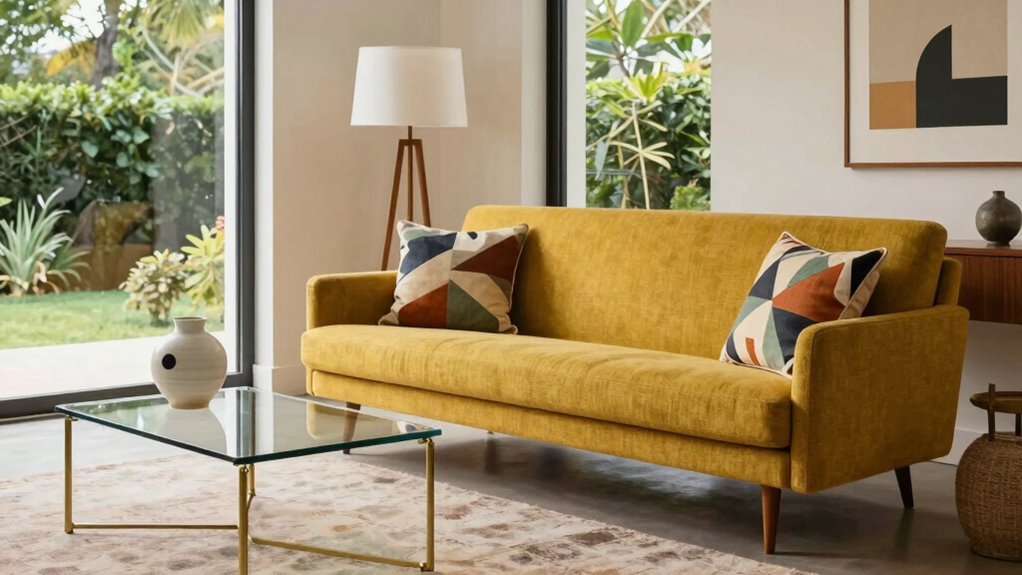
Design trends often swing back and forth, reflecting changing tastes and cultural shifts. You might notice that styles from decades ago seem to resurface every few years, only to fade away before reappearing again. This cyclical nature isn’t accidental; it’s rooted in our collective desire for timeless aesthetics—designs that feel familiar yet fresh—and in the ongoing innovation cycles that keep the industry evolving. When a style becomes popular once more, it’s often because it strikes a chord with current values or aesthetics, even if it’s rooted in the past. These patterns highlight how design isn’t static but a reflection of society’s shifting identity and preferences.
You can think of these cycles as a conversation between the past and the present, where old ideas are revisited with new perspectives. When a vintage style re-emerges, it’s not simply a copy but an evolution that adapts to modern tastes and technologies. This process keeps design exciting and relevant, allowing you to appreciate the enduring appeal of certain elements—like clean lines, bold colors, or nostalgic motifs—while integrating contemporary innovations. The idea of timeless aesthetics plays a significant role here, because certain design principles endure across generations. These principles, like balance, harmony, and simplicity, act as anchors in the ever-changing landscape of trends, guaranteeing that some styles remain appealing regardless of current fads.
The influence of innovation cycles also fuels this back-and-forth movement. As new materials, techniques, and technologies emerge, they breathe fresh life into old styles, making them feel new again. For example, a vintage-inspired furniture piece might be redesigned with eco-friendly materials or smart technology, blending nostalgia with progress. This continuous cycle of reinvention keeps design dynamic and allows you to see familiar styles in a new light. It also reassures you that no trend is truly gone forever; instead, it’s waiting in the wings, ready to be reinterpreted and reintroduced. Moreover, the integration of sustainable practices and eco-friendly materials exemplifies how innovation revitalizes classic aesthetics for contemporary values. Additionally, the cyclical nature of trends shows how cultural influences shape what styles reappear over time. Recognizing the timeless principles that underpin many design styles can help you appreciate their enduring appeal across different eras.
In fact, understanding how these cycles operate can deepen your appreciation for the history of design, which often provides the foundation for future trends. Ultimately, the reason why design trends swing back and forth is because they serve as a mirror for cultural evolution. You’re constantly balancing between appreciating the comfort of familiarity and embracing the excitement of innovation. This dance between old and new ensures that your surroundings stay engaging, meaningful, and aligned with your evolving identity. It’s a reflection of how design, like society itself, is always in motion—revisiting the past to shape the future, and vice versa.
vintage-inspired furniture with modern technology
As an affiliate, we earn on qualifying purchases.
As an affiliate, we earn on qualifying purchases.
Frequently Asked Questions
How Do Cultural Shifts Influence Design Trend Cycles?
Cultural shifts influence design trend cycles by reigniting nostalgia for past eras, leading to trend repetition. You notice how society’s changing values and experiences bring back familiar styles, often blending old and new. When cultural nostalgia surfaces, designers incorporate retro elements, making trends cycle back. These shifts remind you that design is constantly evolving yet rooted in collective memory, ensuring styles reappear with fresh perspectives over time.
What Role Does Technology Play in Design Trend Resurgence?
Technology sparks design trend resurgence by fueling digital nostalgia and driving innovation cycles. You see this when retro elements like pixel art or vintage fonts come back online, blending old-school charm with new tech. You’re part of this cycle, as innovations reintroduce past aesthetics, making them fresh again. Technology’s rapid evolution pushes designers to reinterpret trends, ensuring that nostalgia and innovation continually influence each other, creating a dynamic, cyclical design landscape.
Can Sustainability Impact the Recurrence of Certain Design Styles?
Absolutely, sustainability impacts the recurrence of certain design styles. You’ll notice eco-conscious aesthetics gaining popularity as people seek environmentally friendly options. Recycled materials become essential, inspiring vintage or retro looks with a modern twist. This shift encourages designers to revisit classic styles, but with a focus on sustainability. As a result, trends cycle back, blending old-school charm with eco-friendly principles, making sustainability a driving force behind these recurring styles.
How Do Fashion Trends Affect Interior and Graphic Design?
Fashion trends act like a ripple in a pond, spreading waves of influence across interior and graphic design. You find yourself immersed in color symbolism and material nostalgia, which shape your choices. When bold prints or vintage textures resurface, they breathe new life into spaces and visuals. These trends reflect the cultural zeitgeist, encouraging you to blend the old with the new, creating designs that resonate emotionally and stay timelessly relevant.
What Psychological Factors Drive Nostalgia in Design?
You’re drawn to nostalgia in design because of its nostalgic appeal and emotional resonance. These elements evoke comforting memories and a sense of familiarity, making you feel connected to the past. When you see vintage styles or retro colors, your brain releases feel-good chemicals, creating a warm, positive response. This psychological pull keeps nostalgic design trends relevant, as they offer a comforting escape and a reminder of cherished memories.
As an affiliate, we earn on qualifying purchases.
Conclusion
Just like the tides of the ocean, design trends ebb and flow, constantly circling back with new twists. Embracing this rhythm means you’re riding a wave of creativity, blending the old with the new. Remember, what’s vintage today will be tomorrow’s fresh innovation, proving that in design, history is forever whispering its secrets. So, stay adaptable and let the cyclical dance inspire your next masterpiece—because in this world, trends are just timeless echoes.
As an affiliate, we earn on qualifying purchases.
smart technology vintage furniture
As an affiliate, we earn on qualifying purchases.
As an affiliate, we earn on qualifying purchases.
Fall Picks
fall essentials
As an affiliate, we earn on qualifying purchases.