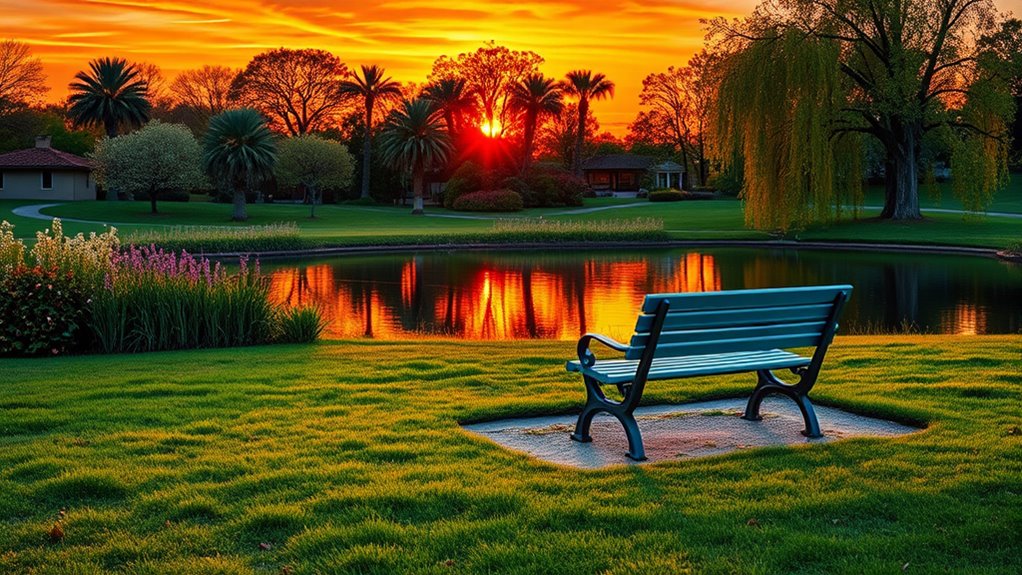

To use color psychology for evoking emotions, choose hues that align with your desired feelings. For example, incorporate red to spark energy and urgency, or blue for calm and trust. Consider cultural and universal associations to strengthen your message. Strategic color choices in spaces or branding can influence perceptions, encourage specific behaviors, and create memorable experiences. Keep exploring how different colors can help shape the emotional atmosphere you’re aiming for.

Get the little things that make your day delivered free — and shop member deals
- Fast, free delivery on millions of items
- Access to Prime Big Deal Days deals on October 6–7
- Prime Video, Amazon Music and more included
Key Takeaways
- Select colors aligned with desired emotions, such as blue for calmness or red for excitement.
- Use color combinations strategically to reinforce emotional messages in spaces or branding.
- Incorporate culturally relevant colors to enhance emotional resonance with your audience.
- Adjust color intensity and saturation to subtly influence mood and behavioral responses.
- Combine color choices with materials and textures to create a cohesive environment that evokes specific feelings.

Color psychology explores how different hues influence your emotions and behaviors, shaping the way you perceive and interact with your environment. When you understand color associations, you gain the power to craft spaces and visuals that evoke specific emotional impacts. Each color carries its own set of meanings and feelings, which can markedly influence your mood and responses. For example, red is often linked with energy, passion, and urgency, making it effective in grabbing attention or stimulating excitement. Conversely, blue tends to evoke calmness, trust, and stability, ideal for creating a soothing atmosphere.
Understanding color associations helps craft spaces and visuals that evoke specific emotional responses.
Your awareness of color associations allows you to intentionally select hues that reinforce the emotional impact you want to achieve. If you’re designing a workspace, incorporating shades of green can promote focus and relaxation, helping you and others feel less stressed and more productive. In a retail setting, using vibrant colors like yellow or orange can generate a sense of cheerfulness and friendliness, encouraging customers to stay longer and engage more. By understanding how different colors connect with human emotions, you can influence behaviors subtly but powerfully.
The emotional impact of colors extends beyond aesthetics; it can shape perceptions and even decision-making. For instance, a brand that uses black in its logo might be perceived as luxurious and sophisticated, while one that employs bright pink may be associated with playfulness and approachability. When you choose colors thoughtfully, you’re not just decorating; you’re crafting an emotional experience that resonates with your audience or environment. This strategic use of color associations helps reinforce your message and can even alter how people feel about a space or product.
Color’s emotional impact also hinges on cultural contexts and individual experiences, but certain associations tend to be quite universal. Recognizing these common patterns empowers you to harness color psychology effectively. Whether you’re designing a website, decorating a room, or selecting marketing materials, understanding the emotional impact of your color choices can elevate your efforts. It’s about creating a harmony that guides emotions and behaviors in a way that aligns with your goals.
Additionally, incorporating farmhouse kitchen textiles and accessories can influence the overall ambiance by adding warmth and charm through carefully selected colors and materials. Ultimately, by mastering color associations, you can influence how others perceive and react to your environment. You’re not just choosing colors randomly; you’re strategically tapping into the emotional power of hues to evoke desired feelings. This awareness allows you to craft experiences that foster positivity, trust, excitement, or calmness—making your spaces and messages more impactful and memorable.
Frequently Asked Questions
How Do Cultural Differences Influence Color Perception?
You should recognize that cultural symbolism greatly influences how you perceive colors, leading to cross-cultural differences. For example, in some cultures, white symbolizes purity, while in others, it signifies mourning. These variations affect your emotional response to colors, making it essential to understand cultural contexts. By being aware of these differences, you can better tailor your design choices or communication strategies to resonate effectively across diverse audiences.
Can Color Psychology Be Used to Improve Mental Health?
Absolutely, you can use color psychology to improve mental health through color therapy. By understanding emotional associations with different colors, you can choose hues that promote relaxation, reduce anxiety, or boost your mood. For example, calming blues or energizing yellows can help balance your emotions. Incorporate these colors into your environment or activities to create a supportive space that encourages emotional well-being and mental clarity.
Which Colors Are Most Effective in Branding Strategies?
You should choose bold reds and vibrant yellows to grab attention, creating a striking visual impact. These colors foster energy and optimism, making your brand memorable. Incorporate harmonious color palettes to guarantee consistency and visual appeal, which boosts brand recognition. When used thoughtfully, these colors evoke emotions that resonate with your audience, making your brand stand out in a crowded marketplace and leaving a lasting impression.
How Does Lighting Affect the Psychological Impact of Colors?
Lighting, especially color temperature, considerably influences the psychological impact of colors. You’ll notice that warm lighting (yellow-orange hues) enhances feelings of comfort and intimacy, while cool lighting (blue-white hues) promotes calmness and focus. By adjusting color temperature, you actively shape emotional responses, making your environment more inviting or professional. Understanding this allows you to use lighting strategically to evoke specific emotions and reinforce your desired mood or brand message.
Are There Any Risks or Drawbacks to Using Color Psychology?
Yes, there are risks to using color psychology. You might face color misinterpretation, where your chosen colors don’t evoke the intended emotions. Unintended associations can also occur, leading people to perceive colors differently based on their experiences. These issues can undermine your message or branding efforts. To prevent this, you should research your audience and test color choices to make certain they align with your goals.
Conclusion
Think of color psychology as your palette of emotions, where each hue paints a different feeling in the canvas of your mind. Just like an artist chooses vibrant reds to evoke passion or calming blues for serenity, you hold the brush to craft your emotional landscape. By understanding these colors, you become the master of your own masterpiece, guiding feelings with deliberate strokes. Embrace this knowledge, and let your colors tell a story that deeply resonates.
Halloween Picks
halloween
As an affiliate, we earn on qualifying purchases.