

Understanding the history of consumer culture shows you how branding and advertising have evolved from simple product info to emotional storytelling that shapes identities. Today, brands influence your desires, social status, and sense of belonging more than ever. Recognizing these patterns helps you see through marketing tactics and make more mindful choices. By exploring this story, you’ll gain insights into how societal values and technology continue to mold your perceptions and aspirations. Keep exploring to uncover more insights that can empower your awareness.

Get the little things that make your day delivered free with Prime
- Fast, free delivery on millions of items
- Prime Video, Amazon Music and more included
- Member-only deals all year
Key Takeaways
- Understanding the evolution of branding reveals how consumer identity and aspirations are shaped by marketing strategies.
- Recognizing emotional advertising helps us make more mindful choices and resist superficial marketing influences.
- Awareness of social and technological shifts shows consumer culture is dynamic and responds to societal changes.
- Learning from history emphasizes the importance of critical engagement with brands and advertising messages.
- Appreciating branding’s role in identity formation encourages more authentic consumption aligned with personal values.
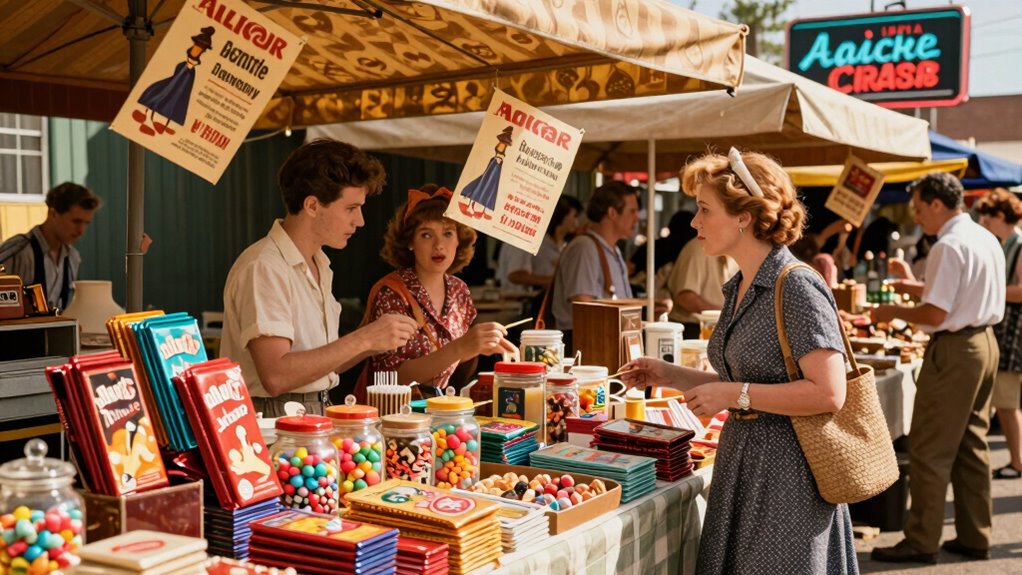
Have you ever wondered how our daily habits and choices shape the world around us? The history of consumer culture offers a fascinating glimpse into how societies have evolved, and understanding this can help us make more conscious decisions today. A big part of this story is the branding evolution—how brands have shifted from simple identifiers to powerful symbols that influence our identities. Over time, brands have become more than just products; they’re woven into the fabric of our lives, shaping perceptions and aspirations. This transformation didn’t happen overnight. It was driven by changing advertising strategies, which moved from basic informational ads to sophisticated campaigns designed to evoke emotion and create loyalty.
Brands have evolved from simple identifiers to symbols shaping our identities and aspirations through emotional advertising and storytelling.
In the early days, advertising was straightforward, focusing on the product’s features and price. But as consumer culture grew more complex, so did the techniques used to attract attention. Companies started crafting stories around their brands, turning them into symbols of status, freedom, or belonging. This shift in advertising strategies helped brands evolve into powerful tools that could influence not just what we buy, but who we want to be. Recognizing this history teaches us that consumer choice isn’t just about utility; it’s about identity and belonging. When you see a brand today, it’s often loaded with meanings shaped by decades of marketing tactics aimed at tapping into your desires and aspirations.
By understanding the past, you can better navigate the present. Knowing how branding has evolved reveals that much of what influences your purchasing decisions is rooted in carefully crafted messages designed to resonate on an emotional level. It’s a reminder that advertising strategies have always aimed to create a sense of connection—sometimes superficial, sometimes genuine—that makes consumers feel understood and valued. This awareness empowers you to question the messages you encounter daily. You can recognize that many brands are not just selling products but are trying to sell you an idea of who you should be.
Learning from history reminds you that consumer culture is dynamic and responsive. It’s shaped by shifts in technology, social values, and economic conditions. By studying how brands have adapted over time, you see that change is constant. This insight encourages you to be more intentional in your choices, understanding that your habits and preferences are part of a larger story. In the end, the history of consumer culture teaches you that your engagement with brands and advertising strategies is not passive; it’s an active part of shaping, and being shaped by, the world around you. Understanding the branding evolution helps you see beyond surface messages and recognize the deeper influence of marketing tactics. Recognizing the role of advertising strategies across different eras can empower you to make more informed and mindful decisions.
Popular right now

Breville Barista Pro Espresso Machine with Grinder, Brushed Stainless Steel

Samsung 42-Inch S90H OLED 4K Smart TV Bundle

De’Longhi Classic Matte Black Espresso Machine with Milk Frother
As an affiliate, we earn on qualifying purchases.
Frequently Asked Questions
How Did Consumer Culture Influence Global Economic Development?
Consumer culture drives global economic development by shaping cultural identity and fueling market globalization. When you embrace new products and trends, you help expand markets beyond borders, encouraging companies to innovate and compete worldwide. This interconnectedness boosts economies, creates jobs, and spreads ideas across cultures. By participating in consumer choices, you contribute to a cycle that strengthens economic ties and influences global growth, making consumer culture a powerful force in shaping today’s world economy.
What Role Did Advertising Play in Shaping Consumer Behavior Historically?
Advertising played a vital role in shaping your consumer behavior by building strong brand identities and using emotional appeals to connect with you. Marketers crafted messages that resonated emotionally, making products feel essential or desirable. This strategy influenced your perceptions and choices, creating loyalty and brand recognition over time. By appealing to your feelings, advertising transformed simple purchases into experiences, shaping your preferences and driving consumer culture throughout history.
How Have Consumer Preferences Evolved Over the Centuries?
Your preferences have shifted like a chameleon changing colors, blending luxury branding with everyday needs. You’re more prone to impulse buying, driven by instant gratification rather than long-term value. Over centuries, consumers sought status symbols, but now, you crave personalized experiences and emotional connections. This evolution reflects a desire for authenticity and individuality, transforming shopping from a duty into an expressive act that mirrors your identity and aspirations.
What Impact Did Technological Advancements Have on Consumer Culture?
Technological advancements have profoundly shaped consumer culture through digital transformation and innovation adoption. You now access products and services instantly via smartphones and online platforms, making shopping more convenient and personalized. These innovations encourage quick decision-making and influence preferences, fostering a culture of immediacy. As a result, consumer expectations rise, and businesses must continuously adapt to stay competitive, emphasizing the importance of embracing ongoing technological progress.
How Have Social Movements Affected Consumer Trends Historically?
Social movements have historically shaped consumer trends through consumer activism and cultural shifts. You see, when people rally for environmental justice or fair labor practices, they influence companies to adopt ethical practices, altering what you buy. These cultural shifts often lead to increased demand for sustainable products or socially responsible brands. By engaging in consumer activism, you help push companies to align with values that reflect societal priorities, creating lasting change in the marketplace.
Conclusion
By understanding the roots of consumer culture, you can navigate today’s marketplace with a sharper eye. History’s lessons act like a compass, guiding you through the waves of advertising and trends. Remember, consumer culture is a river that’s always flowing — knowing its course helps you steer clear of getting swept away. Stay aware, make mindful choices, and let the past be your map in shaping a more intentional relationship with what you buy.