
To normalize conversations about mental health, start by openly discussing your own experiences and encouraging others to share theirs. Creating safe, judgment-free environments helps break down stigma and makes people feel more comfortable. Practice active listening and show understanding, which promotes transparency and acceptance. The more you talk about mental health, the easier it becomes for others to do the same. Keep going, and you’ll discover simple ways to strengthen these important conversations and foster awareness.
Listen free for 30 days with Audible
Thousands of audiobooks and originals — cancel anytime.
As an affiliate, we earn on qualifying purchases.
Key Takeaways
- Encouraging open dialogue reduces stigma and fosters a safe environment for discussing mental health struggles.
- Normalizing conversations helps break down misconceptions and promotes understanding and acceptance.
- Sharing personal experiences can inspire others to speak openly about their mental health.
- Creating safe spaces for discussion supports transparency and reduces feelings of shame or judgment.
- Integrating mental health topics into everyday conversations makes awareness a routine part of life.

Have you ever wondered why mental health awareness is more important today than ever before? It’s because more people are recognizing that mental health is just as essential as physical health. Yet, despite increased conversations, stigma still surrounds mental health issues, making it harder for many to seek help. That’s why normalizing conversations about mental health is essential. When you speak openly about your experiences or listen without judgment, you contribute to stigma reduction. It helps break down misconceptions and creates an environment where others feel safe to share their struggles. Normalizing these conversations encourages transparency and fosters understanding, making mental health a regular part of everyday life rather than a taboo topic. Incorporating self-care strategies such as mindfulness or relaxation techniques can further support mental well-being. One of the most effective ways to promote mental health awareness is by adopting self-care strategies. These aren’t just about pampering yourself; they’re practical methods to maintain your mental well-being. Engaging in regular exercise, getting enough sleep, and practicing mindfulness can markedly improve your mood and resilience. When you prioritize self-care, you’re actively combating the negative effects of stress and anxiety, which often go unnoticed or untreated. Sharing your self-care routines with others can inspire them to do the same, creating a ripple effect of awareness and support. It’s about making mental health a priority and recognizing that taking care of your mind is just as important as caring for your body.
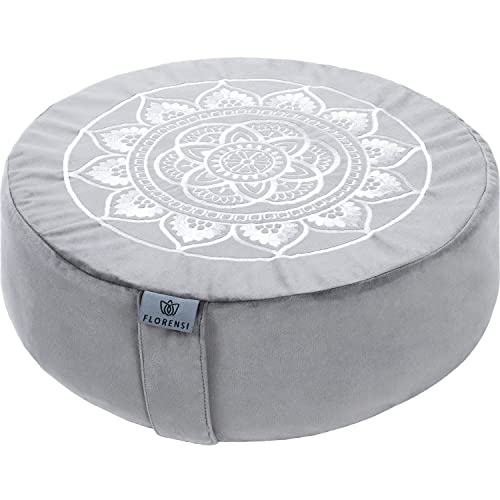
Florensi Meditation Cushion Grey Velvet Buckwheat Round Yoga Floor Seat
- Comfortable Meditation Seating: Stable and supportive for meditation and yoga
- Buckwheat Filled Cushion: Conforms to your seating for support
- Soft Velvet Cover: Stylish and comfortable surface
As an affiliate, we earn on qualifying purchases.
As an affiliate, we earn on qualifying purchases.
Frequently Asked Questions
How Can Workplaces Better Support Mental Health?
You can better support mental health in your workplace by promoting employee wellness programs and encouraging open conversations about mental health. Implement stress management initiatives like flexible schedules or mindfulness sessions, and guarantee resources are accessible. Foster a culture where employees feel safe to share concerns without judgment. By prioritizing these efforts, you help reduce stigma and create a supportive environment that improves overall mental well-being and productivity.
What Are Signs Someone Might Need Professional Help?
You might notice early warning signs like persistent sadness, withdrawal from activities, or difficulty concentrating. Research shows that about 50% of mental health issues start by age 14, highlighting the importance of early detection. If you see these signs, encourage seeking support from a mental health professional. Addressing these concerns early can make a significant difference in recovery and overall well-being.
How Does Mental Health Stigma Affect Treatment Options?
You might find that mental health stigma affects your treatment options because public perception often creates barriers. When stigma is high, you may feel ashamed or hesitant to seek help, fearing judgment. This can delay or prevent you from accessing necessary care. By promoting stigma reduction and normalizing conversations, you help create a supportive environment where you’re more likely to pursue treatment without fear, improving overall mental health outcomes.
Can Mental Health Improve Without Medication?
Yes, mental health can improve without medication by exploring therapy options and making lifestyle changes. Engaging in therapy like cognitive-behavioral therapy helps you develop coping strategies, while lifestyle adjustments such as regular exercise, balanced diet, and mindfulness practices boost your mental well-being. You might find that these approaches, combined with strong support systems, effectively manage your mental health, reducing or even eliminating the need for medication.
How Do Cultural Differences Influence Mental Health Perceptions?
Cultural differences considerably influence how you perceive mental health. You might face stigma reduction challenges if your culture views mental illness as shameful, affecting your willingness to seek help. Developing cultural competence in mental health providers helps bridge gaps, making conversations more comfortable for you. Understanding these differences ensures you receive respectful, effective support, empowering you to normalize mental health discussions within your cultural context and reduce associated stigma.

Fuck It: A Guided Self-Love and Gratitude Journal for Women to Unfuck Your Life, Exhale the Bullshit, and Love Who You Are (Cute Self Care & Self Help Books)
As an affiliate, we earn on qualifying purchases.
As an affiliate, we earn on qualifying purchases.
Conclusion
By opening the door to honest conversations, you become a beacon guiding others out of the shadows. Normalizing mental health isn’t just about words; it’s about planting seeds of understanding that blossom into compassion. Together, you can turn the silent storm into a gentle rain, washing away stigma and nourishing growth. Embrace vulnerability, for in doing so, you create a tapestry of support—rich, resilient, and beautifully human.

Stress Relief: Adult Coloring Book with Animals, Landscape, Flowers, Patterns, Mushroom And Many More For Relaxation
As an affiliate, we earn on qualifying purchases.
As an affiliate, we earn on qualifying purchases.

WATINC Mental Health Awareness Posters – 6PCS Green Mental Health Heart Bulletin Board Decorations for Classroom, Educational Psychological Therapy Counseling Wall Decor for Office Charity Supplies
- Quantity and Style: Includes 6 diverse posters
- Durable Materials: Made of sturdy copperplate paper
- Meaningful Design: Features mental health awareness messages
As an affiliate, we earn on qualifying purchases.
As an affiliate, we earn on qualifying purchases.
College move-in / dorm season Picks
dorm essentials
As an affiliate, we earn on qualifying purchases.