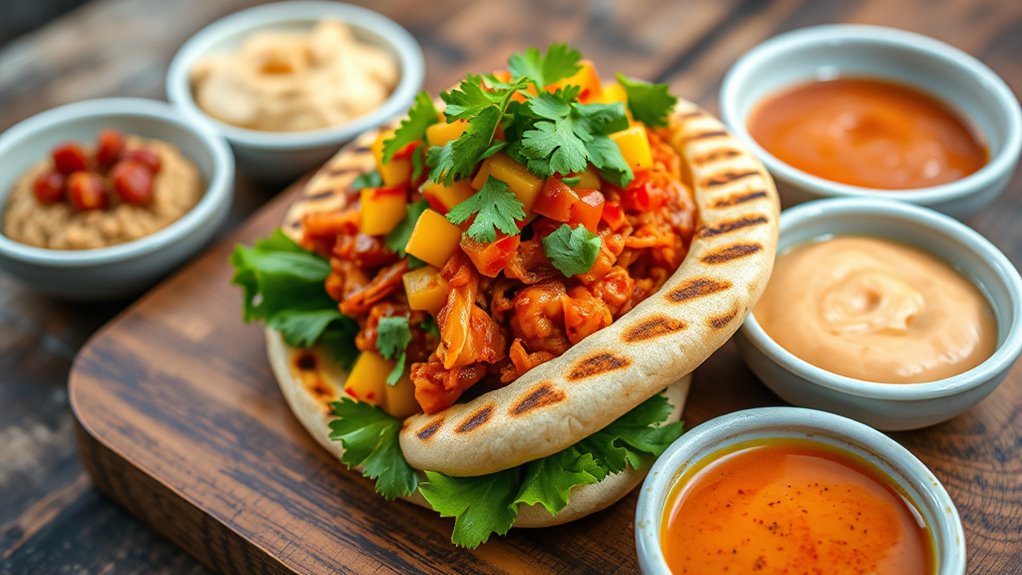

Fusion cuisines reflect how food embodies cultural exchange, blending traditional flavors with innovative techniques. While some may see it as a departure from authenticity, it actually celebrates evolving culinary identities by embracing influences from diverse backgrounds. You can explore how chefs experiment with ingredients and traditions, creating new narratives that honor origins while encouraging creativity. Curious about how these culinary blends shape cultural expression? There’s much more to uncover about the ongoing stories behind fusion foods.

Get the little things that make your day delivered free — and shop member deals
- Fast, free delivery on millions of items
- Access to Prime Big Deal Days deals on October 6–7
- Prime Video, Amazon Music and more included
Key Takeaways
- Fusion cuisines reflect cultural exchange, blending ingredients and techniques to create innovative dishes that honor diverse origins.
- Authenticity in fusion food is fluid, often embracing evolution while respecting traditional roots.
- Culinary innovation challenges traditional notions, making dishes accessible and exciting through unexpected pairings.
- Food as cultural expression evolves with globalization, showcasing shared histories and collective creativity.
- Understanding market trends helps balance tradition and innovation, ensuring fusion cuisine remains relevant and meaningful.
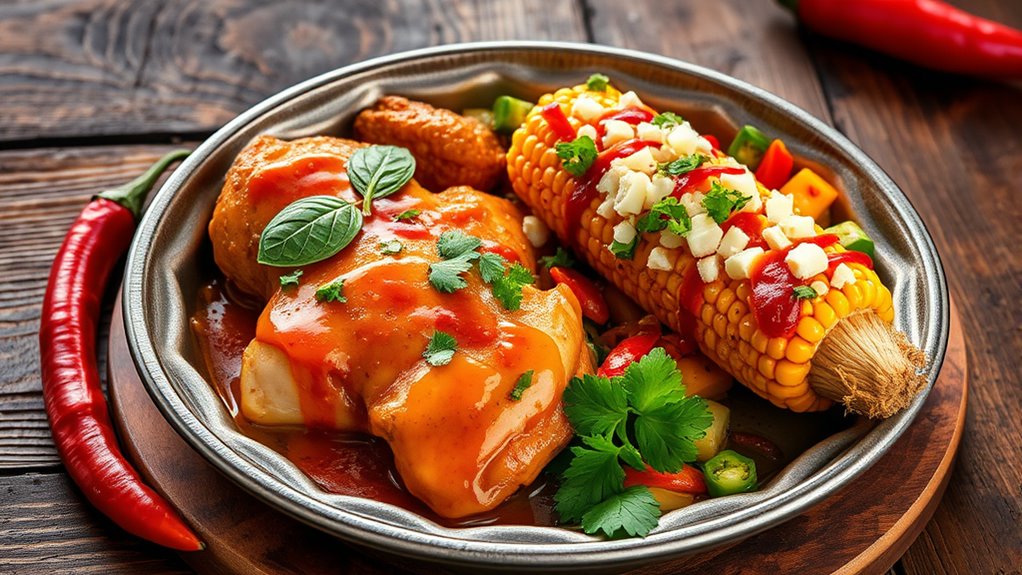
Have you ever wondered how food shapes our identity and connects us to others? It’s fascinating how the flavors on your plate can tell stories about cultural influences and historical exchanges. Food isn’t just sustenance; it’s a mirror reflecting the diverse backgrounds and traditions that come together in every bite. When you explore fusion cuisines, you’re witnessing culinary innovation at its finest — the creative blending of ingredients, techniques, and flavors from different cultures. This culinary experimentation often arises from migration, globalization, or simply a chef’s desire to push boundaries. It creates dishes that are both familiar and novel, inviting you to taste a new narrative while still feeling rooted in tradition.
Food connects cultures, blending traditions and innovation to create new, meaningful culinary stories.
Cultural influences play a vital role in shaping how cuisines evolve. For example, the use of spices in Indian dishes or the emphasis on fresh herbs in Mediterranean cooking reveals centuries of tradition. These influences aren’t static; they adapt over time, absorbing new ingredients and techniques that reflect changing societies. When you try a dish like Korean tacos or sushi burritos, you’re experiencing the result of cultural exchange, where boundaries are blurred to produce something entirely new. Fusion cuisine embodies this dynamic process, breaking down the notion of pure authenticity to celebrate a broader, more inclusive culinary identity. It’s about honoring origins while daring to innovate, creating a space where different traditions coexist and thrive.
Culinary innovation fuels this evolution, encouraging chefs and home cooks alike to experiment and reimagine classic recipes. They combine unexpected elements, like pairing kimchi with pasta or incorporating global spices into traditional comfort foods. These innovations often challenge the idea of authenticity but serve a greater purpose: making food more accessible, exciting, and reflective of a globalized world. When you embrace fusion dishes, you’re participating in a culinary dialogue that values creativity and cultural exchange. It’s about appreciating the roots of a dish while celebrating how it can be transformed into something new and personal. This process fosters a sense of unity, reminding you that food is a universal language capable of bridging differences.
Additionally, understanding market trends can help chefs and food enthusiasts create dishes that resonate with contemporary tastes and preferences, ensuring the continued relevance and vitality of fusion cuisines. Ultimately, food culture is a living, breathing entity that thrives on the interplay between tradition and innovation. By exploring fusion cuisines, you’re not only tasting something unique but also acknowledging the diverse influences that shape what’s on your plate. It invites you to see food as a dynamic form of cultural expression — one that evolves through shared histories, inventive ideas, and a collective desire to connect. So next time you try a fusion dish or revisit a traditional recipe, remember that you’re part of this ongoing story, where culinary influences and innovation continue to redefine what food can be.
As an affiliate, we earn on qualifying purchases.
Frequently Asked Questions
How Do Fusion Cuisines Impact Local Food Traditions?
Fusion cuisines impact local food traditions by promoting cultural exchange and culinary innovation. You might see traditional dishes transformed or combined with new flavors, which can enrich the local food scene or challenge authenticity. While some embrace these changes as exciting, others may feel it dilutes their culinary heritage. Ultimately, fusion cuisines can either breathe new life into local traditions or create tension around preserving authentic cooking styles.
What Defines the Authenticity of a Traditional Dish?
Authenticity in a traditional dish is like finding a rare gem; it’s defined by how well it preserves cultural roots and culinary identity. You can tell it’s authentic when ingredients, cooking methods, and presentation reflect its origins, maintaining the story behind it. Cultural preservation keeps these dishes alive, ensuring they stay true to their heritage amid changing culinary trends. This authenticity celebrates the history woven into each bite.
Can Fusion Foods Still Be Considered Culturally Respectful?
Yes, fusion foods can be culturally respectful if you approach them thoughtfully. You should avoid cultural appropriation by understanding and honoring the origins of the ingredients and techniques involved. By engaging with the culinary identity of the cultures you’re blending, you show appreciation rather than disrespect. When done with respect, fusion cuisine becomes a celebration of diversity, fostering appreciation and cross-cultural understanding instead of misappropriation.
How Do Chefs Balance Innovation With Tradition?
You can balance innovation with tradition by thoughtfully embracing ingredient adaptation while respecting culinary roots. Some might worry that innovation dilutes authenticity, but you can honor tradition through careful research and mindful experimentation. Use culinary innovation to enhance flavors without overshadowing cultural significance. By blending respect for history with creative ingredient choices, you create dishes that celebrate heritage while exciting diners with fresh, innovative experiences.
What Role Does Globalization Play in Food Authenticity?
Globalization impacts food authenticity by increasing cultural appropriation and culinary homogenization, making it harder to distinguish genuine dishes. You might notice familiar flavors worldwide, but this can dilute traditional practices. While globalization spreads diverse cuisines, it also risks losing unique cultural identities. To preserve authenticity, you should support local chefs and authentic food experiences, ensuring cultural traditions stay vibrant amidst global influences.
As an affiliate, we earn on qualifying purchases.
Conclusion
Think of fusion cuisine as a vibrant tapestry, woven with threads from different cultures. Each strand adds color and complexity, creating something uniquely beautiful. While some may chase the purest thread, others embrace the blend, recognizing that authenticity isn’t a single color but a spectrum. In this culinary tapestry, the true art lies in celebrating the harmony of diverse flavors, reminding you that food’s beauty comes from its ability to unite rather than divide.
As an affiliate, we earn on qualifying purchases.
As an affiliate, we earn on qualifying purchases.
NFL season / tailgating Picks
team gear
As an affiliate, we earn on qualifying purchases.