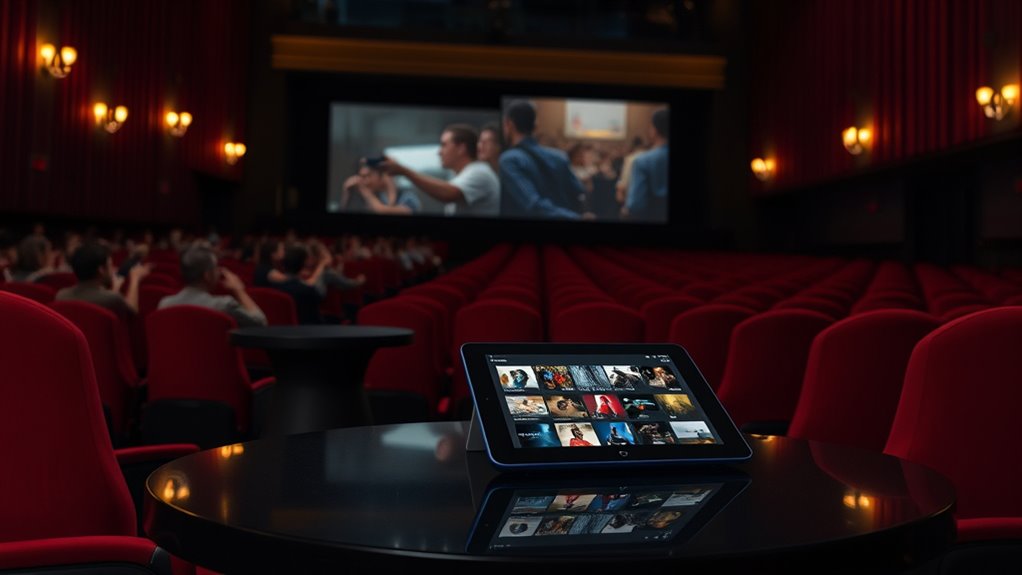

Streaming platforms have dramatically changed how you access movies, shifting reliance from theaters to digital libraries. You now get instant, convenient viewing from home, often shortly after a film’s theatrical debut. This shift impacts the industry by altering distribution, revenue models, and content choices, with many movies bypassing theaters altogether. As the landscape continues to evolve, you’ll discover more about how this transformation shapes your viewing experience and the future of cinema.

Get the little things that make your day delivered free with Prime
- Fast, free delivery on millions of items
- Prime Video, Amazon Music and more included
- Member-only deals all year
Key Takeaways
- Streaming platforms have shifted audience access from theaters to digital libraries, increasing convenience and altering viewing habits.
- The traditional theatrical release model is increasingly replaced by simultaneous or rapid digital releases.
- Revenue streams now rely more on subscriptions, licensing, and advertising, reducing dependence on box office performance.
- The industry is adapting through direct-to-streaming releases, diversifying content, and exploring new distribution strategies.
- The prominence of streaming is prompting theaters to innovate and reconsider their roles within the evolving film landscape.
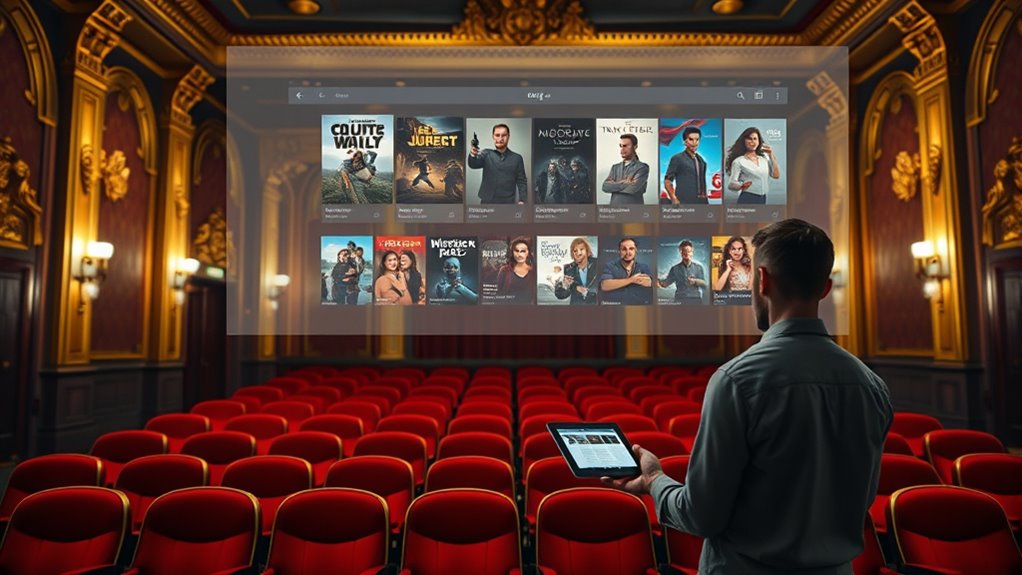
Streaming platforms have revolutionized the way audiences access and watch movies, substantially impacting traditional cinema theaters. This shift in how viewers consume content has led to significant distribution shifts, fundamentally changing the industry landscape. No longer are audiences solely reliant on theaters to see the latest releases; instead, streaming services now offer instant access to a vast library of films from the comfort of your home. This ease of access means studios and distributors are rethinking how they release movies, often opting for simultaneous or rapid digital releases alongside or even instead of traditional theatrical runs. As a result, the landscape of film distribution is evolving, with streaming platforms gaining prominence and challenging the long-standing dominance of cinemas.
Streaming platforms are transforming film distribution and challenging traditional cinema dominance.
The rise of streaming has also transformed revenue models for studios and content creators. Traditionally, a large portion of revenue came from box office sales, followed by DVD/Blu-ray sales, and later, television rights. Now, streaming services generate revenue through subscription fees, licensing deals, and advertising, creating a different financial dynamic. Instead of relying heavily on a one-time theatrical release, studios can monetize their content over a longer period through streaming, ensuring continuous income streams. This shift has led to changes in how movies are financed and marketed, with more emphasis on digital rights management and global reach. *furthermore*, the pressure to produce blockbuster hits for theatrical release has lessened somewhat, as streaming platforms are willing to invest in diverse content tailored to niche audiences, which broadens the types of movies that can find success.
You might notice that these distribution shifts mean movies are often released directly on streaming platforms, bypassing traditional theater premieres altogether. This approach not only accelerates the release timeline but also reduces the risks associated with box office performance. As a viewer, you benefit from having more options at your fingertips, with access to films that might not have had wide theatrical releases. For creators, this means more opportunities to reach audiences without the constraints of traditional distribution channels, leading to more innovative and diverse content.
Ultimately, streaming platforms are reshaping the entire industry, forcing theaters to adapt or reconsider their roles. The evolving revenue models suggest a future where digital access becomes even more dominant, changing how films are financed, distributed, and consumed. This ongoing transformation offers both challenges and opportunities, making it essential for industry players to stay flexible and innovative. As a viewer, you’re at the center of this revolution, experiencing movies in new ways that continue to evolve alongside these technological and economic shifts.
As an affiliate, we earn on qualifying purchases.
Frequently Asked Questions
How Have Streaming Platforms Influenced Independent Filmmakers?
Streaming platforms have empowered you as an independent filmmaker by providing alternative financing options and reducing reliance on traditional studios. They open up auteur opportunities, allowing you to showcase your unique vision to a global audience without the need for major distribution deals. This shift enables you to experiment more freely, reach niche markets, and build a dedicated following, ultimately transforming how you create and share your films.
What Are the Environmental Impacts of Streaming Versus Traditional Cinema?
You might be surprised to learn that streaming has a gentler touch on the environment compared to traditional cinema. Streaming reduces your carbon footprint by minimizing energy consumption associated with movie production and distribution. While streaming servers do use energy, they typically have a smaller environmental impact than large cinema buildings, which require extensive lighting, heating, and cooling. So, your cozy night in could be greener than a trip to the theater.
How Do Streaming Services Affect Global Film Distribution?
Streaming services transform global film distribution by making movies accessible worldwide instantly, bypassing traditional theaters. You’ll notice more films debut on platforms before hitting the box office, affecting overall revenue. This shift influences film festivals, as audiences now stream content instead of attending in person. As a result, filmmakers and distributors adapt strategies, expanding reach beyond local cinemas and changing how audiences engage with new releases and festival screenings.
Are There Differences in Audience Engagement Between Streaming and Theater Viewing?
You’ll notice that audience participation and viewing habits differ greatly between streaming and theater. Streaming offers you the comfort of watching at your own pace, often leading to more casual engagement. For example, I once binge-watched an entire series in a weekend, missing the collective thrill of a theater. Data shows streaming viewers tend to multitask, reducing emotional connection, while theater-goers experience heightened engagement and shared reactions.
What Future Trends Will Shape Streaming’s Role in Cinema?
You’ll see streaming platforms increasingly incorporate interactive technology, making viewing more engaging and personalized. Personalized recommendations will become even smarter, tailoring content to your tastes and habits, which keeps you hooked. Future trends also include immersive experiences like virtual reality and enhanced social features, transforming how you engage with movies. These innovations will deepen your connection to content, shaping streaming’s essential role in cinema’s evolving landscape.
As an affiliate, we earn on qualifying purchases.
Conclusion
As streaming platforms continue to grow, they reshape the cinematic landscape like a mighty river carving new paths. While they offer convenience and variety, they also threaten the magic of the big screen experience. You might find yourself caught between two worlds—where the glow of a screen competes with the allure of cinema’s grandeur. Embrace the change, but remember, the heart of cinema beats strongest in shared moments that no screen can fully replicate.
As an affiliate, we earn on qualifying purchases.
blu-ray player with streaming capabilities
As an affiliate, we earn on qualifying purchases.
As an affiliate, we earn on qualifying purchases.
Fall Picks
fall essentials
As an affiliate, we earn on qualifying purchases.