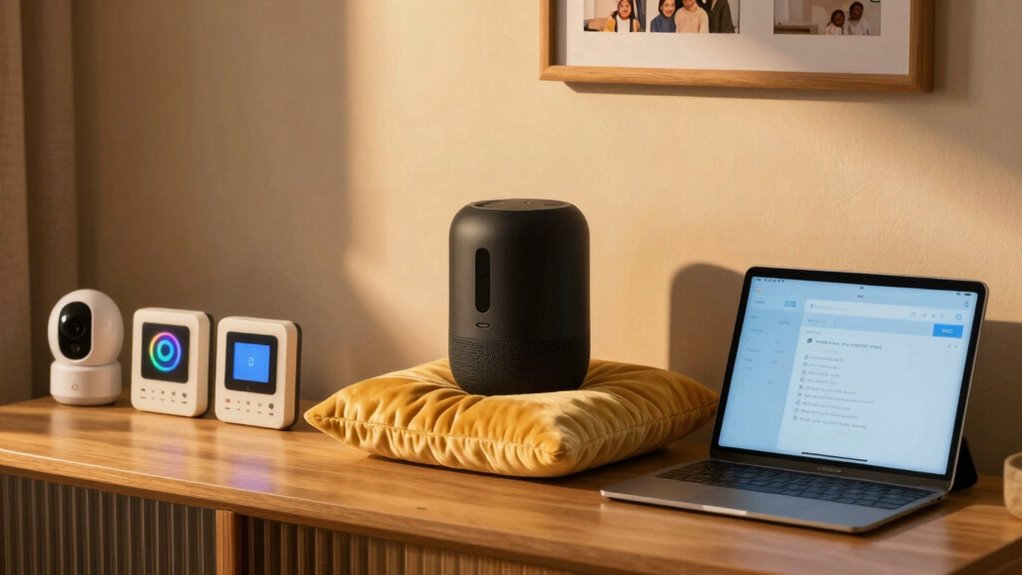

When you buy home tech, your choices are often driven by emotional bonds and memories more than features or prices. Familiarity with brands creates comfort and trust, while positive past experiences or nostalgia influence your preferences without you realizing it. Your attachment to certain devices reflects your personal identity, making switching brands difficult. Recognizing these emotional factors can help you make more balanced decisions, and if you keep exploring, you’ll uncover what truly influences your home tech choices.

Get the little things that make your day delivered free with Prime
- Fast, free delivery on millions of items
- Prime Video, Amazon Music and more included
- Member-only deals all year
Key Takeaways
- Buyers often choose home tech based on brand loyalty and emotional comfort, not just features or price.
- Nostalgia and positive memories linked to brands influence purchasing decisions.
- Emotional attachment to familiar brands creates resistance to switching or trying new products.
- Impulse purchases are triggered by emotional excitement or pride connected to past experiences.
- Personal identity and trust in a brand shape perceptions and drive home tech buying behavior.
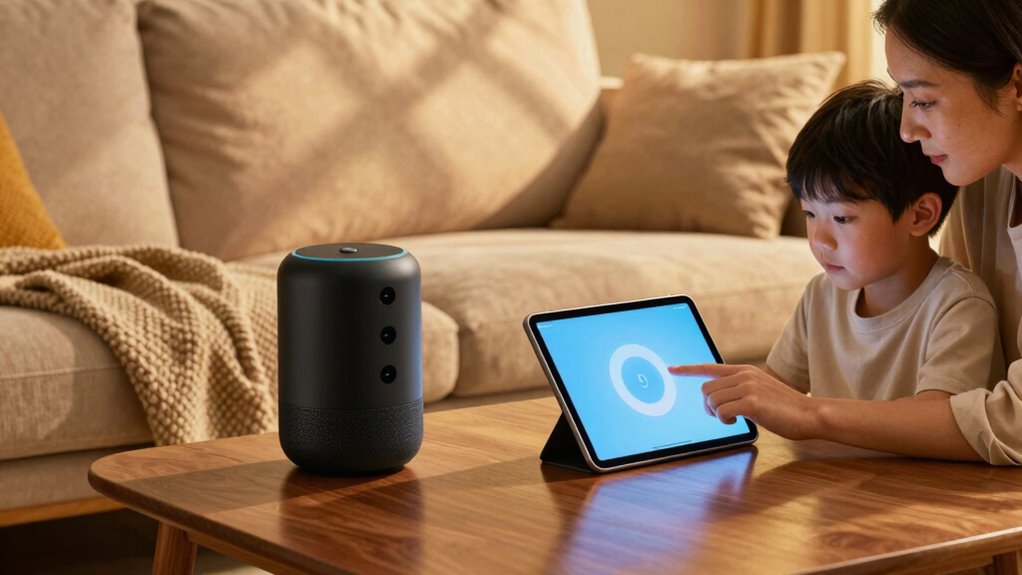
When you’re shopping for home tech, it’s easy to think you’re making purely logical decisions based on features and price. But beneath that surface, your choices are often driven by emotions. You might find yourself drawn to a specific brand because it sparks memories of your childhood or past experiences, a phenomenon known as gadget nostalgia. That sense of familiarity can create a feeling of comfort and trust, making it harder to objectively compare alternatives. You may also feel a sense of loyalty toward certain tech brands, not just because of their products but because of the emotional connections you’ve built over time. These bonds influence your purchasing decisions, sometimes more strongly than technical specifications or cost.
This emotional pull is why a new device can feel more like an extension of yourself than just another gadget. When you see a brand logo or a sleek design, your brain might associate it with positive memories or a sense of belonging. That’s why you might opt for a product from a brand you’ve trusted in the past, even if newer or cheaper options exist. Your attachment to a particular brand becomes a form of identity, making it difficult to switch or try something new. It’s not just about the product’s features; it’s about the story and the feelings attached to it. The act of buying becomes a way to reinforce those feelings, to reaffirm your identity as someone who values quality, innovation, or tradition.
Your emotional investment can also lead to unnecessary impulse buys. You may see a new release from your favorite brand and feel compelled to purchase it immediately, driven by a desire to stay connected to the brand’s story. That’s where gadget nostalgia plays a role—recalling a period when that brand or device made you feel excited or proud. These feelings can cloud your judgment, making it harder to weigh the true value of a product. Recognizing that your decisions are often influenced by these emotional factors can help you make more mindful choices. Instead of solely focusing on specs or prices, you could ask yourself what feelings or memories are guiding your preferences. Being aware of emotional attachment can help you navigate the market more consciously and make choices that truly meet your needs.
Additionally, understanding the psychological factors behind home tech purchases can help you develop more balanced buying habits. Recognizing the importance of emotional influences in decision-making can empower you to evaluate options more objectively. Being mindful of how brand loyalty impacts your choices can also prevent unnecessary or impulsive spending. In the end, home tech buying isn’t purely logical; it’s intertwined with your emotions and personal history. Understanding this can help you navigate the market more consciously, balancing your emotional attachments with practical needs. After all, your connection to a brand or gadget isn’t just about the device itself—it’s about what it represents to you.
home smart speaker brand loyalty
As an affiliate, we earn on qualifying purchases.
As an affiliate, we earn on qualifying purchases.
Frequently Asked Questions
How Do Personal Memories Influence Tech Purchasing Decisions?
Your personal memories influence your tech purchasing decisions through memory triggers and nostalgia effects. When you see a device that reminds you of a happy moment or a loved one, it sparks an emotional response, making you more likely to buy it. These feelings connect past experiences to present choices, often leading you to choose tech that brings comfort or joy, even if it’s not the most practical option.
Do Brand Loyalty and Emotional Attachment Affect Buying Choices?
You’re more influenced by brand loyalty and emotional attachment than you realize—studies show that 70% of consumers stick with brands they trust. Your choice is often driven by brand identity, which creates a sense of familiarity and comfort. Loyalty programs deepen this connection, making you feel valued. This emotional bond influences your buying decisions, turning routine purchases into expressions of loyalty and personal identity.
Can Fear of Missing Out Drive Home Tech Purchases?
Yes, fear of missing out can drive your home tech purchases. When you see a limited-time deal or new release, your price sensitivity kicks in, making you more susceptible to impulse buying. That emotional urge to stay updated or not miss out on the latest gadgets can override rational decision-making, leading you to make quick purchases you might not have considered otherwise. It’s a common, powerful motivator in tech shopping.
How Much Do Social Influences Impact Emotional Buying?
Social influences heavily impact your emotional buying decisions, especially through peer pressure and the desire for social validation. When friends or online communities endorse a tech product, you may feel compelled to buy it to fit in or gain approval. This social validation triggers emotional responses, making you prioritize the product’s status over practicality. Ultimately, social influences can sway your choices more than you might realize, fueling impulsive and emotionally driven purchases.
Are Gift-Giving Emotions Involved in Home Tech Purchases?
Yes, gift-giving emotions are involved in home tech purchases. You often choose devices with sentimental value or nostalgia triggers, aiming to evoke fond memories or show care. When buying tech for others, you might select items that remind them of special moments or shared experiences, making the purchase more emotional. This emotional connection enhances the significance of the gift, turning a simple tech purchase into a meaningful gesture.
As an affiliate, we earn on qualifying purchases.
Conclusion
You might not realize it, but your home tech choices are deeply emotional. That attachment often drives your decisions more than logic. For instance, studies show that 78% of consumers feel a stronger connection to brands that understand their lifestyle. So next time you’re debating a purchase, remember—it’s not just about features but also about how that tech makes you feel. Embrace your emotional side; it’s what truly guides your home tech journey.
emotionally appealing home tech gadgets
As an affiliate, we earn on qualifying purchases.
As an affiliate, we earn on qualifying purchases.
trusted home automation products
As an affiliate, we earn on qualifying purchases.
As an affiliate, we earn on qualifying purchases.
Halloween Picks
halloween
As an affiliate, we earn on qualifying purchases.