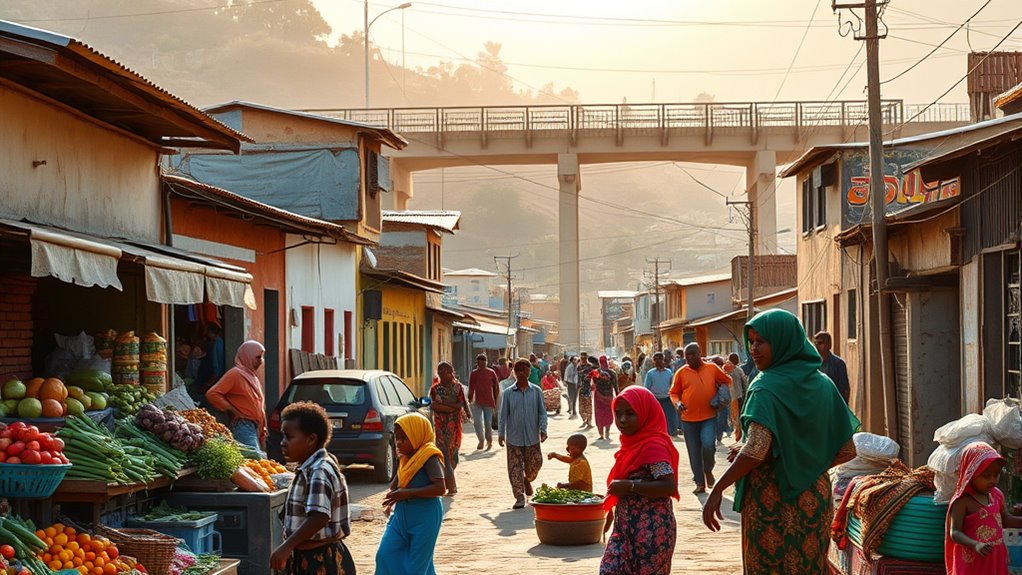

To lift nations from poverty, you should focus on harnessing technological innovation and social entrepreneurship. These strategies can transform traditional industries, boost productivity, and create new opportunities, especially in areas like healthcare, agriculture, and financial services. Supporting grassroots initiatives and developing affordable solutions can empower communities and stimulate economic growth. Governments and organizations play a vital role in fostering an environment for sustainable progress. Continue to explore how these approaches work together to promote lasting prosperity.
Key Takeaways
- Technological innovation transforms industries, boosts productivity, and enables countries to leapfrog outdated systems for sustainable growth.
- Social entrepreneurship addresses local challenges, creating jobs and empowering communities to achieve self-sufficiency.
- Combining technology with social initiatives enhances access to healthcare, education, and resources in underserved areas.
- Governments and organizations foster innovation ecosystems through investments and policies supporting startups and infrastructure.
- Sustainable development relies on empowering individuals and leveraging innovation to promote economic growth and long-term prosperity.
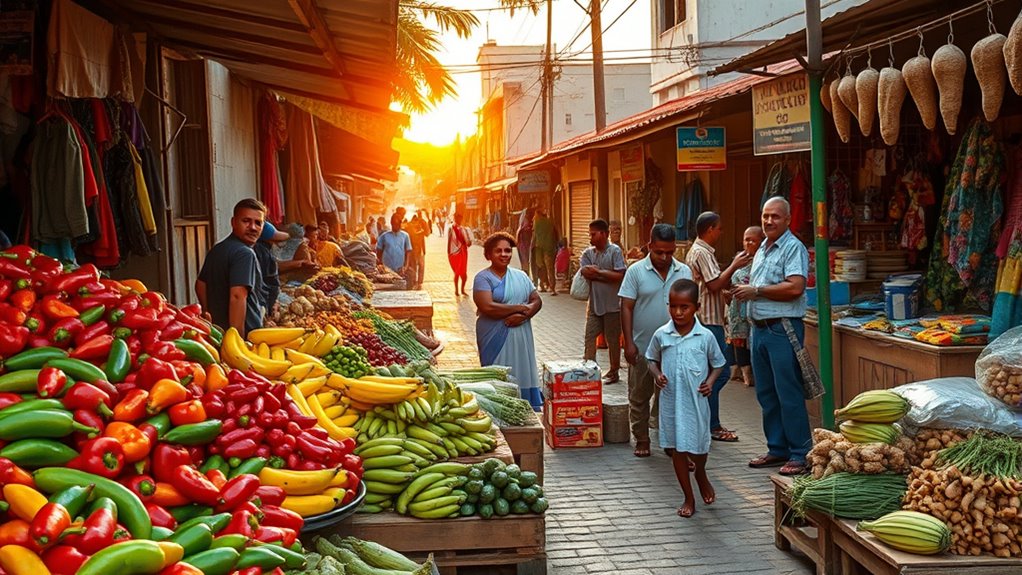
Have you ever wondered what drives a country’s progress from poverty to prosperity? One of the most powerful forces is technological innovation, which transforms traditional industries, creates new opportunities, and boosts productivity. When countries embrace cutting-edge technology, they can improve healthcare, enhance agriculture, and develop infrastructure more efficiently. For example, mobile banking in developing nations has revolutionized access to financial services, allowing millions to save, borrow, and invest. By adopting new technologies, nations can leapfrog outdated systems, making development faster and more sustainable. Additionally, integrating sound healing science can contribute to community well-being and resilience, complementing economic efforts.
Technological innovation drives progress by transforming industries and creating sustainable development opportunities worldwide.
But technological innovation alone isn’t enough. Social entrepreneurship plays a pivotal role in lifting nations out of poverty. Social entrepreneurs identify pressing problems and design innovative solutions that prioritize social impact over profit. They often work at the grassroots level, addressing issues like education, clean water, and healthcare with sustainable approaches. Through social entrepreneurship, communities become active agents of change, empowering individuals to solve their own problems and fostering local resilience. These entrepreneurs create jobs, improve living standards, and inspire broader economic activity, helping to break cycles of poverty.
When technological innovation and social entrepreneurship work hand in hand, their combined effect can be transformative. Imagine a social enterprise developing affordable solar-powered devices in rural areas where electricity is scarce. This innovation not only provides a reliable power source but also creates employment and encourages local entrepreneurship. It’s a clear example of how technology can be harnessed to meet social needs while spurring economic growth. Similarly, mobile health platforms driven by social entrepreneurs can deliver essential medical advice to remote communities, reducing health disparities and strengthening the workforce.
Governments and development organizations increasingly recognize the importance of fostering environments where technological innovation and social entrepreneurship thrive. They invest in education, infrastructure, and policies that encourage startups and innovative solutions. By creating supportive ecosystems, they enable local talent to develop solutions tailored to their specific challenges. This approach guarantees that development efforts are inclusive, sustainable, and rooted in local realities.
In essence, the path from poverty to prosperity hinges on leveraging the power of innovation—both technological and social. As you see, progress isn’t just about economic growth but also about empowering people to take charge of their future through inventive solutions and social initiatives. When nations prioritize these forces, they open their true potential, paving the way for lasting development and prosperity.

Durecopow Solar Charger Power Bank 20,000mAh, Portable Charger, 4 Cables 3 Ports Fast Charging External Battery Pack with USB C for Cell Phones, Solar Panel Charger with Dual Flashlight for Camping
Safety for Use – Made of eco-friendly silicone rubber and ABS PC material. CE, FCC, RoHS certified, reliable…
As an affiliate, we earn on qualifying purchases.
As an affiliate, we earn on qualifying purchases.
Frequently Asked Questions
How Do Cultural Factors Influence Economic Development Strategies?
Cultural factors shape your economic development strategies by influencing attitudes toward work, entrepreneurship, and innovation. Cultural traditions can either support or hinder progress, while community engagement fosters collective effort and trust, vital for successful initiatives. You need to take into account local customs and values to design effective programs that resonate with the community, ensuring sustainable growth. Embracing cultural diversity helps tailor strategies that are more likely to succeed and uplift the nation economically.
What Role Do Gender Equality and Social Inclusion Play in Development?
You play a vital role in promoting gender equality and social inclusion, which directly impact development. Addressing gender disparity guarantees women have access to education, employment, and decision-making, boosting economic growth. Combating social exclusion allows marginalized groups to contribute fully to society. When you focus on these areas, you create a more equitable environment that fosters sustainable development, innovation, and poverty reduction, benefiting everyone in the long run.
How Do Political Stability and Governance Impact Poverty Reduction?
Political stability and good governance are your foundation for eradicating poverty, preventing corruption from swallowing resources. When transparency shines, funds reach communities, fueling growth. Stability keeps governments focused, enabling long-term investments and social programs. Without it, chaos reigns, halting progress. Your role is to promote transparent leadership and foster political stability, turning fragile nations into resilient ones where poverty can truly fade into the past.
What Are the Environmental Sustainability Considerations in Development Policies?
You should prioritize environmental sustainability in development policies by carefully managing renewable resources to prevent depletion. Consider the ecological impact of projects, ensuring they don’t harm ecosystems or biodiversity. Incorporate sustainable practices like renewable energy, water conservation, and waste reduction. This approach helps protect natural resources for future generations while supporting economic growth, creating a balanced development strategy that benefits both people and the planet.
How Can Technology and Innovation Accelerate Economic Growth?
You can accelerate economic growth by investing in digital infrastructure and promoting technological adoption. When you improve access to high-speed internet and modern devices, businesses become more efficient and reach wider markets. Embracing innovation encourages startups and attracts foreign investment. Additionally, supporting education and training helps your workforce adapt to new technologies, boosting productivity. This creates a cycle of growth, job creation, and increased income, ultimately lifting your nation from poverty.

Sunny Health & Fitness Treadpad® Pacer Dual Mode Walking/Running Treadmill with 6-Level Auto Incline & Exclusive SunnyFit® App Enhanced Bluetooth Connectivity – SF-T722076
6 Level Auto Incline: This hybrid walking and running treadmill boasts 6 preset incline options that automatically adjust…
As an affiliate, we earn on qualifying purchases.
As an affiliate, we earn on qualifying purchases.
Conclusion
You hold the power to transform nations from struggling seeds into flourishing trees. By understanding development economics, you become a gardener nurturing growth and hope. Every policy, investment, and effort acts like water and sunlight, helping communities blossom beyond poverty. Remember, your actions can be the spark that ignites a brighter future, turning barren lands into vibrant landscapes of opportunity. Together, you can cultivate a world where prosperity blooms for all.

Loolinn | Drones for Kids Gift, Drone with Camera – Optical Flow Positioning Technology, 60 Minutes Long Flight Time, 3 Batteries, Stable Flight – Gift for Kids Boys Girls
🎁【Intelligent Hover Technology】:There is an optical flow positioning sensor on the underside. It allows the drone to automatically…
As an affiliate, we earn on qualifying purchases.
As an affiliate, we earn on qualifying purchases.

Social Entrepreneurship: What Everyone Needs to Know®
As an affiliate, we earn on qualifying purchases.
As an affiliate, we earn on qualifying purchases.