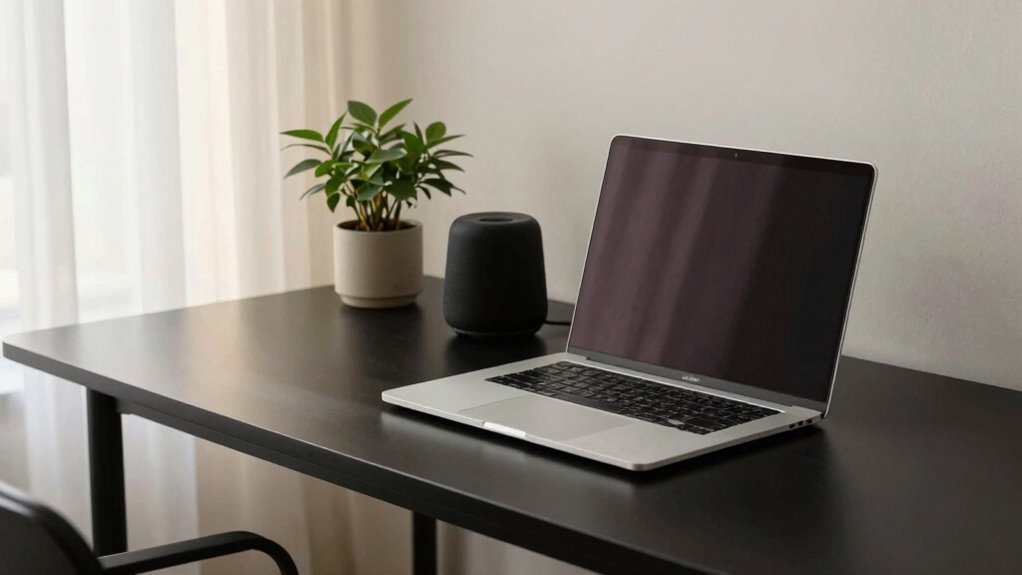

Good taste in technology design feels like holding a device that’s both elegant and confident. You notice the refined materials—like sleek aluminum or matte finishes—that not only look great but invite a satisfying tactile response. It’s about subtle details that avoid flashiness, creating a seamless blend of form and function. This harmony makes your experience effortless and intuitive, showing careful craftsmanship. Keep exploring, and you’ll discover more about designing products that truly resonate with sophistication.

Get the little things that make your day delivered free — and shop member deals
- Fast, free delivery on millions of items
- Access to Prime Big Deal Days deals on October 6–7
- Prime Video, Amazon Music and more included
Key Takeaways
- It evokes confidence through well-crafted, durable, and thoughtfully chosen materials.
- The design exudes understated elegance with subtle details and harmonious aesthetics.
- It seamlessly blends form and function, enhancing usability without sacrificing beauty.
- The tactile experience and material feel reinforce a sense of quality and refinement.
- Visual balance and cohesive materials create a clean, timeless, and sophisticated look.

Material choice plays a vital role in conveying good taste. The textures and finishes aren’t just aesthetic; they influence how you perceive quality and usability. You notice the weight of a device, how it feels in your hand, and how the materials respond to your touch. A sleek aluminum body might suggest durability and modern elegance, while a matte finish can provide a comfortable grip and reduce fingerprints. The careful selection of materials signals that every detail was deliberate, emphasizing durability, sustainability, and sensory appeal. When you hold a well-crafted gadget, you feel a sense of confidence in its quality, knowing that the materials were chosen not just for appearance but for longevity and user comfort. Material selection communicates a brand’s commitment to quality and thoughtful design. Good taste also manifests in the balance of visual elements. You don’t feel overwhelmed by clutter or unnecessary embellishments; instead, the design feels harmonious. The user interface is clean, with a purposeful layout that guides your eye naturally to what matters most. The material choices complement this aesthetic, reinforcing a cohesive look that’s both modern and timeless. When everything aligns—how the interface works, what materials are used, and how the device feels—you experience a sense of understated elegance. It’s as if the product understands your expectations and respects your intelligence, avoiding flashy gimmicks in favor of subtle sophistication. Ultimately, good taste in technology design feels like a quiet confidence. It’s a product that doesn’t shout for attention but instead earns it through its thoughtful details. You recognize the mastery in the user interface that feels second nature and the material choices that elevate the entire experience. When you interact with such a device, you feel a connection—an appreciation for how design enhances usability without sacrificing aesthetics. It’s this seamless integration of form and function that makes good taste in technology design feel effortless and genuinely satisfying.
As an affiliate, we earn on qualifying purchases.
Frequently Asked Questions
How Can I Tell if a Product Has Good Taste?
You can tell if a product has good taste by observing its aesthetic appeal and how well it balances innovation with simplicity. It should look sleek and intuitive, avoiding clutter or overly complex features. Good taste reflects thoughtful design that feels natural and elegant. If the product seamlessly integrates form and function while feeling fresh yet familiar, it’s likely crafted with a refined sense of style and innovation balance.
Does Minimalism Always Indicate Good Taste?
Minimalism isn’t always a sign of good taste, much like a plain cake can hide blandness. When it’s done with aesthetic consistency and aligns with a strong brand identity, it feels sophisticated and intentional. If a product’s simplicity enhances usability and reflects your style, it’s tasteful. But if it’s just bare for the sake of minimalism, it might lack the depth that good taste requires.
How Important Is User Comfort in Tasteful Design?
User comfort is vital in tasteful design because it guarantees ergonomic aesthetics and enhances intuitive usability. When you prioritize comfort, you create devices that feel natural and effortless to use, making the experience seamless. Good taste in technology balances style with function, so you should never compromise comfort for looks. Instead, aim for designs that feel intuitive, supporting users’ needs and making technology a pleasure to engage with daily.
Can Technology Be Too Simple or Too Complex?
Technology can be too simple or too complex if it sacrifices aesthetic balance or innovative simplicity. If it’s too simple, it may lack functionality or fail to engage users; if too complex, it can overwhelm or frustrate. Striking the right balance guarantees your device feels intuitive yet sophisticated, blending form and function seamlessly. When design achieves this harmony, it resonates with users and embodies good taste in technology.
How Does Cultural Context Influence Design Taste?
You notice that cultural context deeply influences your design taste by shaping what symbols and aesthetics resonate with you. Cultural symbolism often dictates preferred colors, shapes, or motifs, making designs feel familiar or meaningful. Aesthetic diversity enriches your experience, exposing you to varied styles that reflect different backgrounds. When you appreciate these influences, your sense of good taste becomes more nuanced, blending tradition and innovation in technology design.
As an affiliate, we earn on qualifying purchases.
Conclusion
Good taste in technology design feels like slipping into a perfectly tailored suit—effortless, graceful, and timeless. It’s the gentle hum of a device that blends seamlessly into your life, never calling attention to itself but always enhancing your experience. When design is true to its purpose, it becomes an extension of you, like a familiar melody that resonates softly in the background. That’s what good taste in tech truly feels like—natural, refined, and quietly powerful.
As an affiliate, we earn on qualifying purchases.
As an affiliate, we earn on qualifying purchases.
Halloween Picks
halloween
As an affiliate, we earn on qualifying purchases.