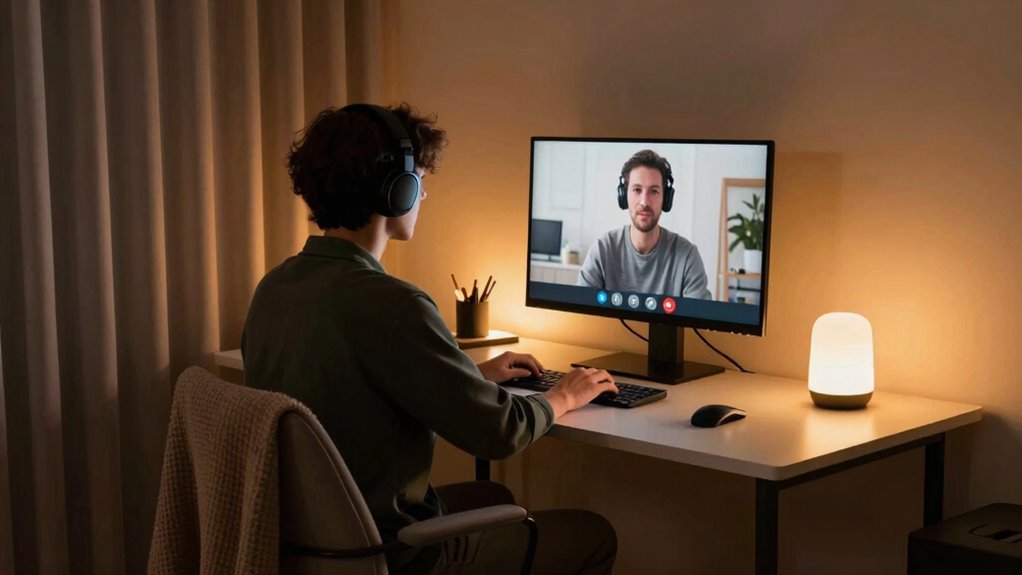

You’re noticing private online spaces growing quickly because more people worry about privacy and data security online. These spaces offer safe places to share authentically with trusted friends or specific groups, avoiding misunderstandings common in public feeds. Advances in encryption and invite-only platforms make it easier to control who sees your content. As awareness of digital privacy rises, these private environments are becoming essential for genuine connections. Keep exploring to see how this shift impacts your online experience.

Get the little things that make your day delivered free with Prime
- Fast, free delivery on millions of items
- Prime Video, Amazon Music and more included
- Member-only deals all year
Key Takeaways
- Rising privacy concerns and data security issues drive users toward private online spaces for safer interactions.
- Encrypted platforms and invite-only communities offer controlled environments that protect user content and privacy.
- Cultural shifts emphasize online boundaries, making private spaces essential for authentic and judgment-free conversations.
- Technological advancements enhance security, making private spaces more accessible, user-friendly, and trustworthy.
- Growing awareness of digital rights and safety fuels demand for privacy-focused platforms and secure digital environments.

As concerns over privacy and data security rise, private online spaces are expanding at an unprecedented rate. You might notice that more people are seeking out platforms where they can share thoughts and experiences without the fear of exposure. This shift reflects a growing desire to protect digital privacy and maintain social boundaries in a digital world that often feels intrusive. When you join private groups, messaging apps, or encrypted platforms, you’re actively choosing to control who sees your content and how much personal information is shared. This move isn’t just about avoiding public scrutiny; it’s about reclaiming a sense of safety in your online interactions.
Many users are realizing that public social media feeds can blur the lines of social boundaries. What you post publicly can be seen by acquaintances, colleagues, or even strangers, which can sometimes lead to misunderstandings or unwanted judgments. Private online spaces offer a refuge where you can be more authentic, knowing your conversations are limited to trusted friends or specific groups. This sense of exclusivity helps you manage your digital privacy better and fosters a space where you don’t have to second-guess every post. In turn, this encourages more genuine connections and conversations that wouldn’t thrive in a more open environment. Additionally, digital privacy is increasingly recognized as a fundamental right, prompting users to seek platforms that uphold these standards.
Private spaces foster authentic conversations and genuine connections, free from judgments and social boundaries.
The rapid growth of private online spaces is also driven by technology advancements. Encrypted messaging apps, private social networks, and invite-only communities make it easier than ever to create secure environments. These tools give you peace of mind that your data isn’t vulnerable to hacking or misuse. As data breaches and privacy scandals become more frequent, you’re more motivated to seek platforms that prioritize your digital privacy. This natural inclination pushes developers and platforms to innovate, making private spaces more accessible, user-friendly, and secure. Additionally, privacy-focused technologies are continuously evolving to meet the increasing demand for secure communication, often incorporating end-to-end encryption to safeguard your conversations. Moreover, the integration of secure data protocols further enhances the trustworthiness of these platforms, ensuring your information remains protected from unauthorized access.
Furthermore, cultural shifts play a role. You’re increasingly aware of the importance of setting boundaries around your online presence. Privacy isn’t just a feature; it’s a fundamental aspect of your digital identity. You want control over who accesses your personal narratives, who participates in your online communities, and how your information gets shared. This need for social boundaries helps explain why private online spaces are growing faster—they align with your desire for autonomy and safety in your digital life. As these spaces evolve, they’ll continue to become essential for maintaining your privacy and fostering authentic connections away from the public eye.
As an affiliate, we earn on qualifying purchases.
Frequently Asked Questions
How Do Private Online Spaces Differ From Traditional Social Media?
Private online spaces differ from traditional social media because you experience higher privacy and control over who joins and sees content. You’re less exposed to broad audiences, reducing privacy concerns. Community moderation is often stricter, creating a safer environment for genuine interactions. You can share more openly without fearing widespread judgment or data misuse, making these spaces ideal for more personal, meaningful connections.
What Security Measures Are Common in Private Online Communities?
You might think privacy is a given, but private online communities actually deploy key security measures like end-to-end encryption and access controls to keep conversations safe. Ironically, these measures make it easier for members to share freely, knowing their data is protected. Access controls restrict entry, ensuring only trusted users participate. Together, they create a secure environment, fostering genuine connections without the fear of unwanted intrusion or data breaches.
Are Private Online Spaces More Popular Among Specific Age Groups?
You’ll find private online spaces more popular among younger generations, like Millennials and Gen Z, due to their preference for intimate, secure interactions. Age-specific behaviors influence this trend, as older users often favor public platforms, while younger users seek close-knit communities for genuine connections. Generational preferences drive privacy concerns, making private spaces appealing across age groups but especially essential for those valuing discretion and authenticity in their online interactions.
How Do Private Spaces Impact User Engagement Compared to Public Platforms?
Private spaces often boost your engagement because they foster user trust, making you feel more secure sharing thoughts. With effective content moderation, these spaces minimize negativity and misinformation, encouraging open, honest conversations. You’re more likely to participate actively when you trust the environment and know that moderation keeps discussions respectful. This sense of safety and control keeps you coming back, strengthening your connection to these private communities over public platforms.
What Are the Main Challenges in Maintaining Privacy in Online Spaces?
You face challenges like ensuring strong encryption protocols to protect user data from breaches and unauthorized access. Maintaining privacy also involves data anonymization, which helps conceal personal details and prevent identification. Constantly updating security measures and staying ahead of cyber threats are essential. Balancing user privacy with platform functionality requires vigilance, as evolving technology and malicious actors continually test your ability to keep online spaces secure and private.
As an affiliate, we earn on qualifying purchases.
Conclusion
As you navigate the digital world, private online spaces act like cozy hideaways in the bustling city of the internet. They’re your sanctuary, where conversations flow freely and trust blossoms like a secret garden. With everyone craving genuine connections over noisy crowds, these private spaces grow faster, becoming your personal oasis amid the chaos. So, embrace these digital hideouts—they’re your ticket to feeling truly seen and heard in a world that’s always racing forward.
As an affiliate, we earn on qualifying purchases.
As an affiliate, we earn on qualifying purchases.
Columbus Day / Indigenous Peoples' Day Picks
long weekend sales
As an affiliate, we earn on qualifying purchases.