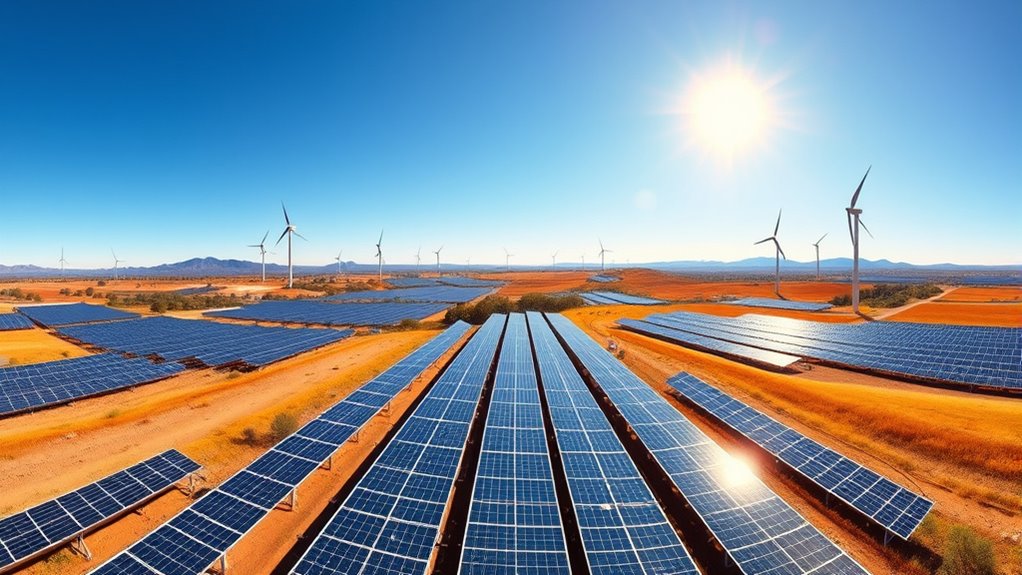

Many countries have set ambitious renewable energy targets for 2025 and beyond to reduce reliance on fossil fuels, fight climate change, and secure a sustainable energy future. These goals are supported by policies, incentives, and efforts to modernize outdated grids, making renewable sources more accessible and reliable. As these initiatives grow, they lower costs and create a cleaner, more resilient energy system. Keep exploring to see how these plans are shaping our sustainable future.
Key Takeaways
- Countries aim for ambitious renewable energy capacity targets by 2025 to reduce reliance on fossil fuels and combat climate change.
- Policies and incentives, like solar subsidies, accelerate grassroots adoption of renewable technologies.
- Upgrading outdated grid infrastructure is essential for managing intermittent renewable sources and enhancing energy stability.
- Modernized grids improve transmission efficiency, reduce energy losses, and support increased renewable capacity.
- Integrating incentives and infrastructure modernization lays the foundation for more ambitious renewable goals beyond 2025.
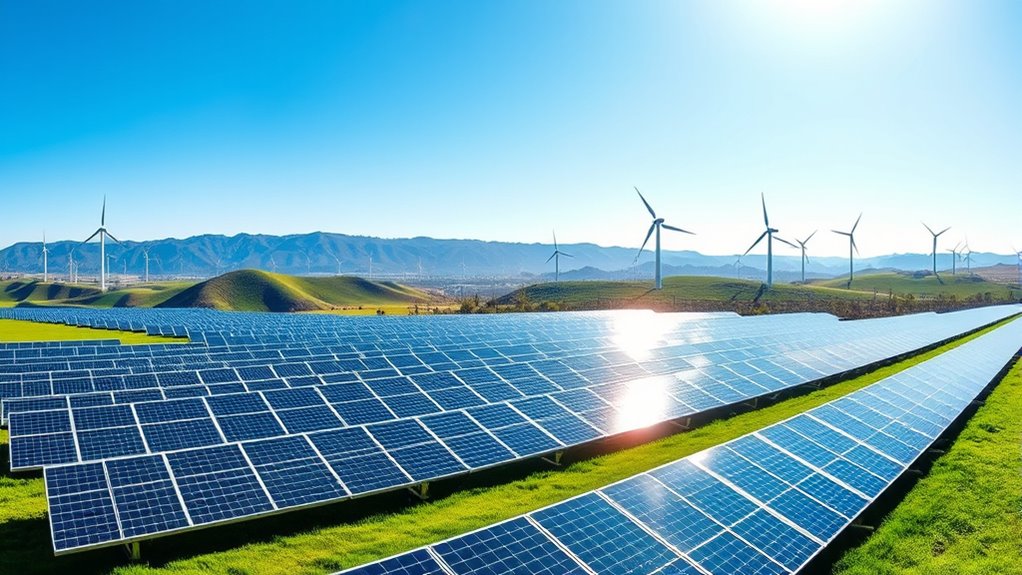
Have you ever wondered how countries plan to reduce their reliance on fossil fuels? One of the most effective strategies involves setting ambitious renewable energy targets for 2025 and beyond. Governments worldwide recognize that shifting to cleaner energy sources is vital to combat climate change, improve air quality, and ensure long-term energy security. To make these goals achievable, they implement a variety of policies and initiatives, such as offering solar incentives that encourage homeowners and businesses to install solar panels. These incentives reduce upfront costs and make renewable energy more accessible, helping to accelerate adoption at the grassroots level. As more people take advantage of these programs, the cumulative effect boosts the overall renewable capacity, bringing nations closer to their environmental commitments.
But incentives alone aren’t enough. To maximize the potential of renewable energy, countries are also investing heavily in grid modernization. Outdated grids struggle to handle the intermittent nature of renewable sources like solar and wind, leading to inefficiencies and wasted energy. Upgrading the grid involves enhancing infrastructure to improve its reliability, flexibility, and ability to integrate diverse energy sources seamlessly. Smart grid technology, for example, allows for real-time monitoring and better management of electricity flow, reducing outages and balancing supply and demand more effectively. When combined with solar incentives, grid modernization ensures that the energy produced from renewable sources is efficiently transmitted and distributed, minimizing losses and making the entire system more resilient. Additionally, improving color accuracy in energy measurement tools helps optimize system performance and ensure precise monitoring of renewable output.
As a result, you’ll notice that many countries are not just focusing on increasing renewable capacity but also on creating a smarter, more adaptable energy infrastructure. This approach enables them to meet their 2025 targets and set the stage for even more ambitious goals beyond that year. The integration of solar incentives and grid modernization helps to lower costs and improve the stability of renewable energy supplies, making it easier for you to access clean power and participate in the energy shift.

ECO-WORTHY Upgraded Solar Ground Mount Adjustable Multi-Pieces Solar Panel Mounting Brackets Kit System for 4pcs 200W/3pcs 300W/2pcs 400W Solar Panels for Ground,Open Space, Cabins and Backyard Sheds
[Strong Adaptability] ECO-WORTHY Mounting Bracket is 118"Lx39"W In. the front and rear pillars are 5.9 in higher, the…
As an affiliate, we earn on qualifying purchases.
As an affiliate, we earn on qualifying purchases.
Frequently Asked Questions
How Will Renewable Energy Targets Impact Local Economies?
Renewable energy targets boost local economies by creating jobs and attracting community investments. As you support clean energy projects, you’ll see more local job opportunities in construction, maintenance, and manufacturing. These initiatives also encourage community investments, improving infrastructure and public services. Overall, achieving these targets helps stimulate economic growth, enhances community well-being, and fosters sustainable development right where you live.
What Are the Challenges in Achieving These Renewable Energy Goals?
You face challenges like grid integration, which demands upgrades to handle intermittent renewable sources. Policy barriers also slow progress, creating uncertainty and delaying investments. While technological advancements promise solutions, coordinating infrastructure, regulations, and funding remains complex. Overcoming these hurdles requires collaboration and smart planning, but delays could hinder your ability to meet renewable energy goals. Staying adaptable and proactive helps you navigate these obstacles effectively.
How Do Policies Differ Globally Regarding Renewable Energy Targets?
You’ll find that policies differ globally based on international agreements and policy incentives. Some countries prioritize ambitious renewable energy targets through strong incentives, subsidies, and regulatory support, while others focus on gradual adoption. International agreements like the Paris Agreement influence national policies, encouraging commitments to reduce emissions. These variations reflect economic capabilities, political will, and regional priorities, shaping how each nation approaches renewable energy development and their specific targets for 2025 and beyond.
What Role Do Technological Innovations Play in Meeting Targets?
Imagine opening a treasure chest—technological innovations are doing just that for renewable energy targets. You play a crucial role as solar breakthroughs increase efficiency, making solar power more accessible, while grid modernization guarantees seamless integration of renewables. These advances help you meet ambitious goals faster, reducing costs and boosting reliability. By embracing new tech, you actively contribute to a cleaner, sustainable future, transforming challenges into opportunities.
How Will Renewable Energy Targets Influence Energy Prices?
Renewable energy targets can lower energy prices over time by reducing reliance on fossil fuels, but in the short term, you might experience market volatility as supply and demand fluctuate. Your investment strategies should focus on supporting sustainable projects and diversifying assets to navigate price swings. As cleaner energy sources become more widespread, you may see more stable and potentially lower energy costs in the future.
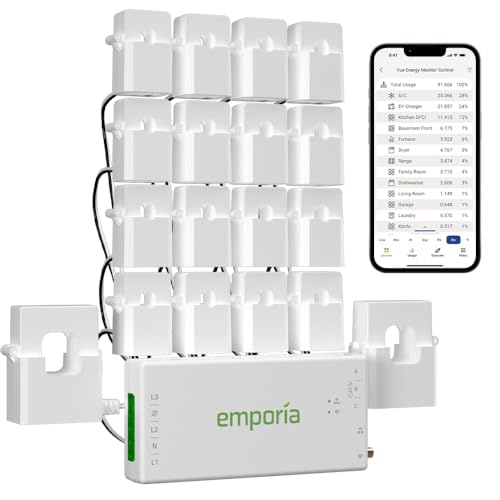
Emporia Vue 3 Home Energy Monitor – Smart Home Automation Module and Real Time Electricity Usage Monitor, Power Consumption Meter, Solar and Net Metering for UL Certified Safe Energy Monitoring
SAFETY YOU CAN TRUST WITH UL CERTIFICATION: With Emporia Energy, your home energy monitoring is safe, reliable, and…
As an affiliate, we earn on qualifying purchases.
As an affiliate, we earn on qualifying purchases.
Conclusion
As you work towards renewable energy targets, remember that progress is like planting seeds in spring—each effort grows into a sustainable future. By staying committed and innovative, you can turn ambitious goals into reality, ensuring cleaner air and a healthier planet for generations to come. Keep pushing forward, because every step you take is part of a bigger, brighter picture. Together, your actions will light the way to a greener tomorrow.

DIY Off-Grid Solar Power for Beginners: The Easiest Guide to Building Low-Cost Solar Systems for Homes, RVs, Tiny Houses, Boats. Qualify for Tax Credits and Save with Government Incentives.
As an affiliate, we earn on qualifying purchases.
As an affiliate, we earn on qualifying purchases.

Renewable Energy Systems: The Earthscan Expert Guide to Renewable Energy Technologies for Home and Business
As an affiliate, we earn on qualifying purchases.
As an affiliate, we earn on qualifying purchases.