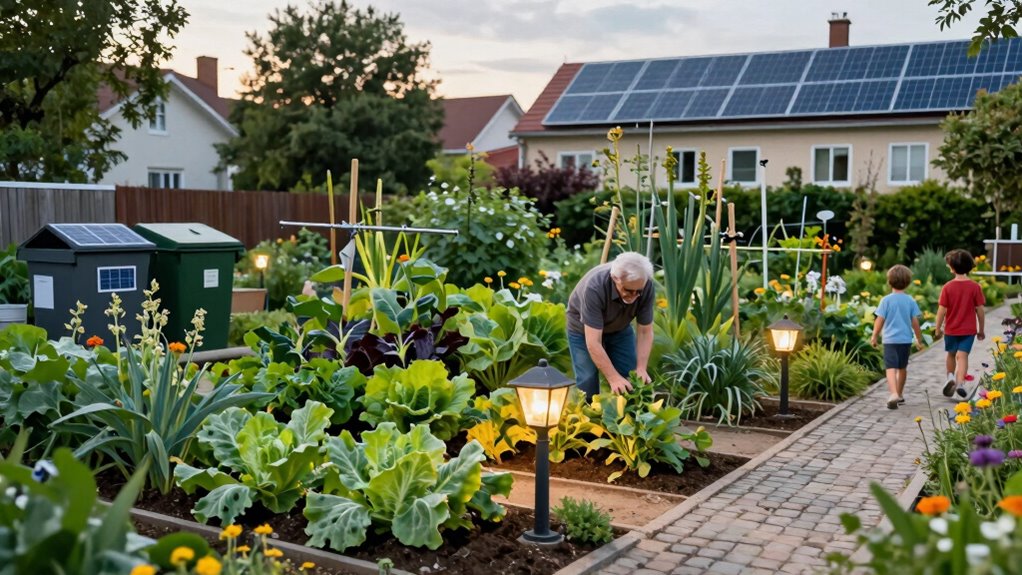

True sustainability goes far beyond recycling; it requires you to rethink how products are made, sourced, and used. Focus on supporting companies that prioritize renewable energy, ethical sourcing, and responsible practices. Your choices can influence industry standards and promote environmental and social well-being. Recycling is just one piece of the puzzle—you can make a real impact by considering the entire lifecycle of your purchases and embracing a conscious, responsible lifestyle. Keep exploring to learn more about creating lasting change.

Get the little things that make your day delivered free with Prime
- Fast, free delivery on millions of items
- Prime Video, Amazon Music and more included
- Member-only deals all year
Key Takeaways
- True sustainability involves rethinking entire product lifecycles, including sourcing, manufacturing, and disposal, beyond simple recycling.
- Transitioning to renewable energy sources like solar and wind addresses the root causes of environmental harm.
- Ethical sourcing ensures responsible harvesting, fair labor, and minimal environmental impact in the supply chain.
- Consumer choices influence industry practices, supporting brands committed to sustainability and responsible resource use.
- Sustainable living emphasizes transparency, conscious consumption, and active efforts to promote environmental and social wellbeing.
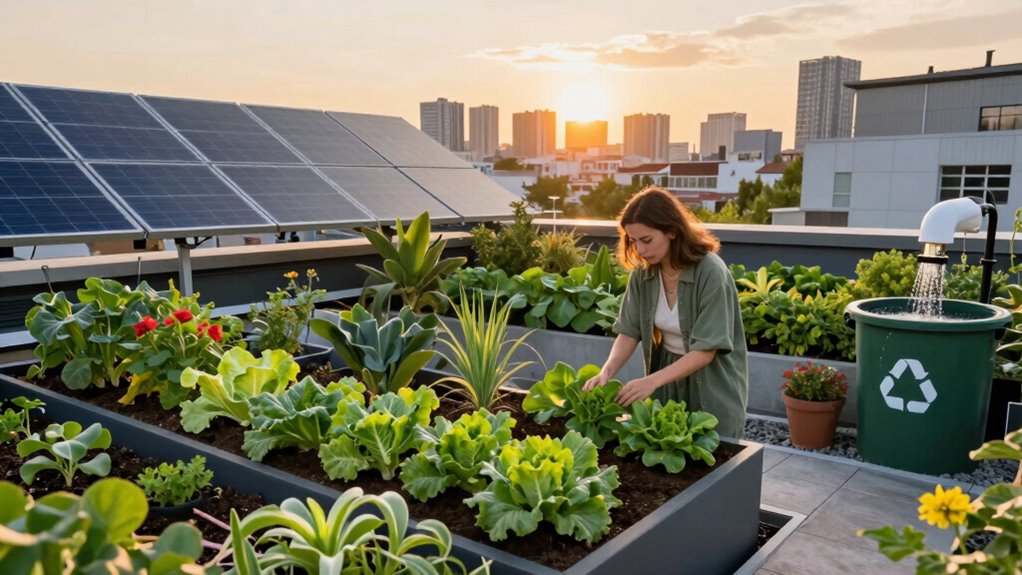
Ever wonder if recycling alone is enough to protect our planet? It’s a good question, and the truth is, recycling is just one piece of a much larger puzzle. To truly move toward sustainability, you need to look at how products are made, how they’re sourced, and how energy is used in the process. For example, shifting to renewable energy isn’t just about reducing carbon footprints; it’s about rethinking how we power everything from homes to industries. When you support companies that invest in renewable energy sources like solar, wind, or hydro, you’re helping to decrease reliance on fossil fuels, which are major contributors to climate change. This shift to cleaner energy sources makes a tangible difference because it tackles the root of environmental damage rather than just managing waste after the fact.
Beyond energy, ethical sourcing plays a critical role in sustainability. When you buy products, consider where they come from and how they’re made. ethical sourcing ensures that the materials are harvested responsibly, with fair labor practices and minimal environmental impact. It’s about making sure that the workers involved are paid fairly and that ecosystems aren’t destroyed in the process. Supporting brands that prioritize ethical sourcing means you’re promoting transparency and accountability in supply chains — elements that are essential for long-term sustainability. Additionally, understanding the full lifecycle**** of products can help consumers make more informed decisions that support sustainability. Knowing about the environmental impact of products encourages more responsible consumption and waste reduction.
A comprehensive understanding of sustainable practices can guide consumers toward more environmentally and socially responsible choices, reinforcing the importance of these efforts.
Sustainability involves more than just recycling your bottles or composting your food scraps. It requires a fundamental change in how we think about the lifecycle of products — from raw material extraction to manufacturing, use, and disposal. You can make a difference by choosing products made with renewable energy and sourced ethically. These choices might sometimes cost more upfront, but they contribute to a healthier planet in the long run. They also encourage companies to adopt better practices, creating a ripple effect across industries. True sustainability is about being conscious of your consumption habits and demanding transparency and responsibility from the brands you support. It’s about realizing that every purchase and decision impacts the environment and social wellbeing.
In the end, sustainable living isn’t just about recycling; it’s about transforming how you interact with everything around you. By championing renewable energy and ethical sourcing, you help build a future where environmental health and social equity go hand in hand. That’s when sustainability truly becomes a way of life — active, intentional, and meaningful.
Popular right now

Bose QuietComfort Wireless Noise-Cancelling Over-Ear Headphones, Black

Roborock Robot Vacuum and Mop with LiDAR Navigation and 10,000 Pa Suction

Shark Rocket Pet Plus Corded Stick Vacuum, Bordeaux, HV322
As an affiliate, we earn on qualifying purchases.
Frequently Asked Questions
How Can Individuals Implement Sustainable Practices Daily?
You can implement sustainable practices daily by adopting personal eco-friendly habits and practicing daily conservation techniques. Turn off lights when not in use, reduce water waste, and choose reusable items over single-use plastics. Opt for public transport, bike, or walk instead of driving whenever possible. Incorporate plant-based meals and compost organic waste. Small, consistent actions like these make a significant difference, helping to create a more sustainable lifestyle.
What Industries Have the Biggest Environmental Impact?
You can’t judge a book by its cover, but industries like fossil fuels and manufacturing have the biggest environmental impact. Corporate responsibility is vital here; companies must adopt renewable energy sources and sustainable practices. By prioritizing eco-friendly innovations, they can reduce emissions, conserve resources, and lead by example. Your role as a consumer influences this shift, encouraging industries to genuinely embrace sustainability beyond superficial efforts.
How Does Sustainable Agriculture Differ From Conventional Methods?
Sustainable agriculture differs from conventional methods by prioritizing soil health and crop diversity. You focus on maintaining nutrient-rich soil through organic practices and crop rotations, which reduces reliance on chemical inputs. Instead of monoculture, you plant diverse crops to improve ecosystem resilience and pest control naturally. This approach minimizes environmental impact, conserves resources, and promotes long-term productivity, making your farming more sustainable and aligned with ecological health.
What Policies Promote Long-Term Sustainability?
They say, “A chain is only as strong as its weakest link,” and policies that promote long-term sustainability focus on strengthening communities through policy innovation and community engagement. You can support this by advocating for laws that protect natural resources, incentivize renewable energy, and promote equitable access. These policies foster resilient ecosystems and communities, ensuring sustainable growth that lasts beyond short-term gains. Your active participation makes a real difference.
How Can Businesses Measure Their Sustainability Progress?
You can measure your sustainability progress by tracking key indicators like supply chain transparency and your carbon footprint. Regularly audit your supply chain to guarantee responsible sourcing and transparency. Use tools to calculate and reduce your carbon footprint over time. Setting clear goals and monitoring these metrics helps you see improvements, adjust strategies, and demonstrate your commitment to genuine sustainability beyond just recycling efforts.
Conclusion
So, when you truly embrace sustainability beyond recycling, you’re not just saving a few trees or reducing waste—you’re actually rewriting the entire story of our planet’s future. Every small action you take becomes a mighty ripple in a tidal wave of change, capable of transforming ecosystems and shaping a resilient, thriving Earth for generations to come. It’s not just about doing better; it’s about becoming the unstoppable force that can move mountains and mend the very fabric of our world.