Climate justice means recognizing that environmental impacts don’t affect everyone equally. You should understand that marginalized communities, especially Indigenous peoples and urban poor, often face the worst effects due to systemic inequalities. Addressing these issues requires fair policies, protecting land rights, and building resilient infrastructure that includes everyone. By focusing on these strategies, you can help support a more equitable approach to tackling climate change—if you explore further, you’ll learn how collective action makes a difference.
Key Takeaways
- Climate justice recognizes that marginalized communities, including indigenous peoples, face disproportionate environmental impacts due to systemic inequalities.
- Addressing climate inequities involves implementing adaptive strategies that prioritize vulnerable populations and promote inclusive resilience.
- Protecting indigenous land rights and ecological knowledge is essential for equitable environmental solutions.
- Urban resilience efforts must ensure marginalized urban communities have equitable access to safe infrastructure and resources.
- A collective, ethical approach addresses root causes of environmental injustice, fostering shared responsibility and sustainable progress.

What does climate justice really mean, and why does it matter to you? At its core, climate justice is about recognizing that the impacts of climate change aren’t felt equally. Some communities bear a disproportionate burden, often due to systemic inequalities, historical injustices, and economic disparities. It’s about ensuring that everyone, regardless of their background or location, has a fair chance to thrive in a changing environment. You might not immediately see how this connects to your daily life, but understanding the importance of indigenous rights and urban resilience can help you see the bigger picture. Indigenous peoples, for example, often face the brunt of environmental degradation and climate impacts because their land rights and cultural practices are frequently overlooked or undervalued. Protecting their rights isn’t just about preserving traditions; it’s about respecting their knowledge systems that can contribute to sustainable solutions. Indigenous communities tend to hold centuries of ecological wisdom that can guide more effective climate responses, especially as their land stewardship offers lessons in conservation and resilience. Supporting indigenous rights is a step toward addressing broader environmental inequities and fostering justice.
Additionally, advancing climate adaptation strategies is essential for ensuring that vulnerable populations are not left behind as climate impacts intensify.
On the other hand, urban resilience plays a vital role in how cities adapt to and recover from climate-related disasters. As more people move into urban areas, cities become hotspots of vulnerability and opportunity. Building urban resilience means designing infrastructure and policies that help communities withstand storms, heatwaves, floods, and other climate shocks. It’s about making sure that marginalized populations within cities aren’t left behind in disaster responses or recovery efforts. When urban resilience is prioritized, you help create environments where vulnerable groups have access to safe housing, reliable transportation, and clean water—fundamental rights that often get compromised during climate crises. By investing in resilient infrastructure and inclusive planning, cities can reduce inequalities and foster a sense of security among all residents.
Ultimately, climate justice isn’t just an abstract ideal; it’s a practical necessity. It calls for recognizing the rights of indigenous peoples, who have long been stewards of the land, and ensuring cities become resilient hubs that serve everyone equally. When you support these efforts, you’re helping address the root causes of climate inequity and creating a future where justice isn’t an afterthought but a guiding principle. It’s about shifting the narrative from one of blame to one of shared responsibility and collective action. Climate justice empowers you to become part of the solution, advocating for policies and practices that respect rights and bolster resilience for all communities.

3 Pcs No One is Illegal On Stolen Land MMIW Indigenous Sticker Gifts for Indigenous Rights Advocates, Awareness Supporters, Social Justice Warriors, Native American Activists, Feminist Allies – 3"x3"
Personalized Decoration: Add a unique touch to your belongings by applying this sticker to your car, laptop, water…
As an affiliate, we earn on qualifying purchases.
As an affiliate, we earn on qualifying purchases.
Frequently Asked Questions
How Can Individuals Contribute to Climate Justice Efforts?
You can contribute to climate justice by engaging in personal activism and community efforts. Start by spreading awareness and advocating for policy changes that address environmental inequities. Participate in local initiatives, support marginalized communities, and reduce your carbon footprint through sustainable choices. Your active involvement inspires others and helps create a collective movement toward fairer environmental practices, making a tangible difference in addressing climate injustices.
What Role Do Governments Play in Achieving Climate Equity?
You play a crucial role in climate equity by urging governments to enforce policies that protect vulnerable communities and promote sustainable practices. Governments act as the backbone of international cooperation, setting regulations and fostering partnerships to address global disparities. When they lead with conviction, they guarantee that no one is left behind. Remember, it takes a village; your voice can push policymakers to prioritize climate justice and uphold their commitments.
How Are Indigenous Communities Affected by Environmental Injustices?
You see, environmental injustices severely impact indigenous communities by threatening their land rights and cultural preservation. When their lands are exploited or polluted, it disrupts their traditional ways of life and weakens their cultural identity. You might witness how industries encroach on sacred sites or how climate change causes loss of biodiversity important to their heritage. Protecting land rights and respecting cultural practices are vital for fostering climate justice for indigenous peoples.
What Are the Economic Impacts of Climate Injustice on Marginalized Groups?
Imagine a broken bridge representing economic disparities and social inequalities. You see, climate injustice deepens these gaps for marginalized groups, causing job losses, lower incomes, and limited access to resources. As the environment suffers, so do your communities, facing heightened poverty and instability. This cycle of inequality stalls progress, making it harder for marginalized groups to rebuild and thrive. Addressing climate injustice is essential to restoring balance and fairness for everyone.
How Can Businesses Incorporate Climate Justice Into Their Practices?
You can incorporate climate justice into your business practices by prioritizing corporate responsibility and adopting sustainable policies. Actively assess your environmental impact, especially on marginalized communities, and implement fair, inclusive initiatives. Invest in renewable energy, reduce emissions, and support equitable resource distribution. By aligning your company’s goals with social and environmental justice, you create positive change and demonstrate genuine commitment to sustainability and fairness.

Emergency Zone Essentials 72-Hour Survival Kit – 2 Person | Bug Out Bag Backpack with Water Filter Straw and Emergency Supplies | The Optimal Disaster and Earthquake Emergency Kit
✅【72 Hour Survival Backpack】: Multi-purpose 72-hour survival go bag for you and your family, equipped with emergency supplies…
As an affiliate, we earn on qualifying purchases.
As an affiliate, we earn on qualifying purchases.
Conclusion
You now see how climate justice highlights the stark inequalities in environmental impact. Did you know that low-income communities face up to 70% more pollution-related health issues? This statistic shows that environmental harm isn’t spread equally, emphasizing the urgent need for fair policies. By understanding these disparities, you can advocate for change and support efforts that prioritize vulnerable populations, ensuring a healthier planet and a more just future for everyone.
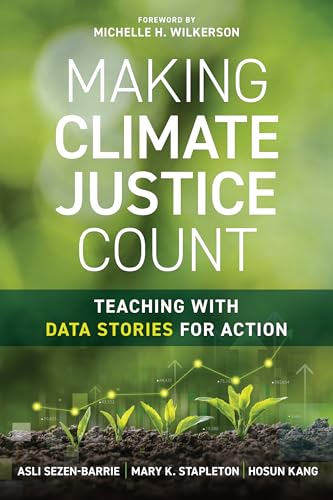
Making Climate Justice Count: Teaching with Data Stories for Action
As an affiliate, we earn on qualifying purchases.
As an affiliate, we earn on qualifying purchases.

Innovative Technologies for Smart and Sustainable Infrastructure
As an affiliate, we earn on qualifying purchases.
As an affiliate, we earn on qualifying purchases.