Before buying a water filter for everyday use, consider the contaminants you want to remove, like lead or chlorine, and match the filter’s capabilities with your local water report. Decide on the type that fits your space and routine, whether faucet-mounted, pitcher, or under-sink. Check for proper certification, plan for installation, and understand maintenance needs to keep it effective. If you keep these points in mind, you’ll find the best option for safe, clean water—plus more helpful tips ahead.

Get the little things that make your day delivered free — and shop member deals
- Fast, free delivery on millions of items
- Access to Prime Big Deal Days deals on October 6–7
- Prime Video, Amazon Music and more included
Key Takeaways
- Identify specific contaminants in your water to choose a filter that effectively targets those issues.
- Ensure the filter type and size fit your daily routine, space, and plumbing setup.
- Verify the filter’s certifications and filtration capabilities for thorough and reliable purification.
- Consider installation requirements and whether professional help is needed for proper setup.
- Plan for regular maintenance, including filter replacements, to ensure consistent water quality and performance.
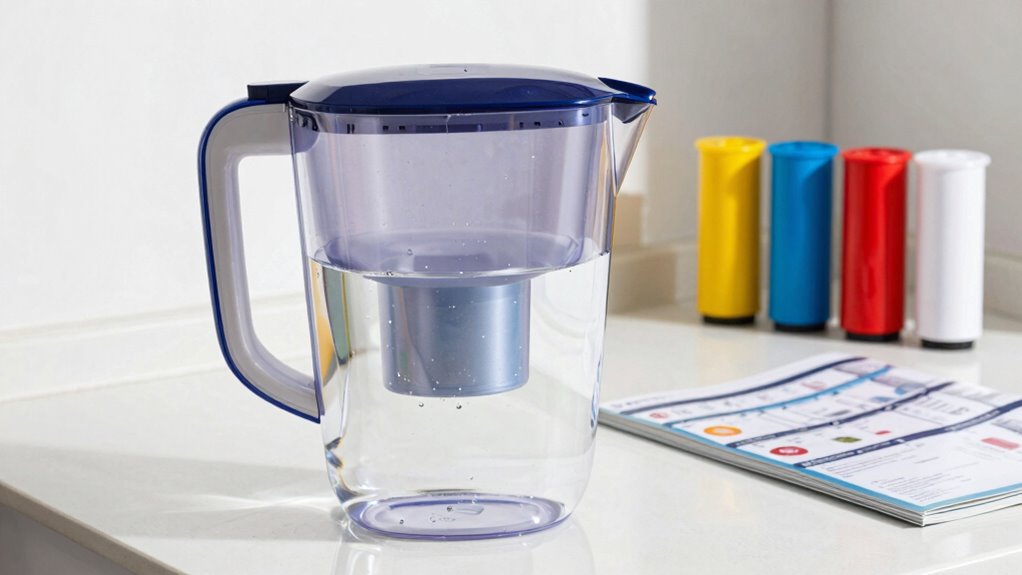
Choosing the right water filter can considerably improve the quality of your drinking water, but with so many options available, it’s easy to feel overwhelmed. Before making a purchase, you should consider what contaminants you want to remove and how the filter will fit into your daily routine. Think about whether you prefer a faucet-mounted filter, a pitcher, or an under-sink system. Each has its advantages, but your choice depends on the water quality in your area, space constraints, and your budget.
When selecting a water filter, look at the certifications and filtration capabilities. Some filters target specific contaminants like lead, chlorine, or sediment, while others provide more thorough purification. It’s essential to match the filter’s capabilities with your water testing results or local water quality reports. This guarantees you’re investing in a system that effectively improves your water, rather than paying for features you don’t need.
Once you’ve chosen your filter, water filter installation becomes the next step. Proper installation is vital for maximum performance. Many filters come with detailed instructions, but if you’re unsure, it’s worth consulting a professional. Incorrect installation can lead to leaks, reduced filtration efficiency, or even contamination. Also, make sure your home’s plumbing can support the setup you’ve selected. Understanding water quality is crucial to ensure your chosen filter effectively addresses the specific issues in your area.
Maintenance tips are just as important as the initial installation. Regularly replacing filter cartridges ensures your water stays clean and safe. Most filters have a recommended lifespan, which varies based on usage and water quality. Keep track of filter change dates and set reminders if needed. Neglecting maintenance can cause reduced flow rates, bad tastes, or diminished filtration performance. It’s also a good idea to periodically clean the filter housing and check for leaks or damage.
Understanding water filter installation and maintenance tips helps you get the most from your investment. Proper installation guarantees your system functions as intended, while routine upkeep preserves its effectiveness over time. By following these simple steps, you guarantee your drinking water remains pure, safe, and revitalizing every day. This proactive approach not only saves you money in the long run by preventing premature replacements but also gives you peace of mind knowing your water quality is consistently high. In the end, choosing the right filter and maintaining it properly is the best way to enjoy healthier, better-tasting water without hassle.
lead and chlorine water filter pitcher
As an affiliate, we earn on qualifying purchases.
As an affiliate, we earn on qualifying purchases.
Frequently Asked Questions
How Often Should I Replace My Water Filter?
You should replace your water filter based on the recommended filter replacement schedules, typically every 2 to 6 months. Regular water filter maintenance helps guarantee peak performance and clean water. Keep an eye on the filter’s lifespan, and note any changes in water taste or flow rate. Following the manufacturer’s guidelines will help you know the right time for filter replacement, maintaining safe, fresh-tasting water every day.
Can Water Filters Remove All Types of Contaminants?
Water filters can’t remove all types of contaminants due to filter limitations. They effectively target common contaminants like chlorine, lead, and sediments, but may not eliminate viruses or certain chemicals. Your filter’s ability depends on its design and the specific contaminant types it’s rated for. Always check the product details to guarantee it addresses your particular water quality concerns, and remember, no filter is entirely foolproof.
Are Water Filters Effective Against Bacteria and Viruses?
Think of your water as a battlefield, and your filter as the brave defender. Yes, many filters are effective against bacteria and viruses through microbial filtration, providing bacterial removal that keeps your water safe. However, not all filters target viruses effectively. Look for ones with advanced features like UV or reverse osmosis to guarantee thorough protection. Staying vigilant ensures your water remains pure and healthful for everyday use.
What Is the Typical Lifespan of a Water Filter?
The typical lifespan of a water filter varies based on filtration technology and contaminant types, but most filters last between 2 to 6 months. You should check the manufacturer’s recommendations, as some filters may need replacement sooner if they remove more contaminants or handle higher water usage. Regularly replacing your filter guarantees it continues effectively removing impurities like chlorine, sediment, and bacteria, maintaining clean, safe drinking water.
Do Water Filters Affect the Taste of Drinking Water?
Water filters can affect the taste of your drinking water by removing impurities and minerals. You might notice a taste alteration, often making water taste cleaner or softer. However, some filters may also strip away beneficial minerals, which can change the flavor profile. If mineral removal is extensive, your water might taste flatter or less crisp. Consider your preferences and filter type to find the right balance between purity and flavor.
under sink water filtration system
As an affiliate, we earn on qualifying purchases.
As an affiliate, we earn on qualifying purchases.
Conclusion
Choosing the right water filter isn’t just about filtering out impurities; it’s about investing in your health and peace of mind. By understanding your needs, evaluating various types, and considering maintenance, you guarantee your water remains pure and safe. Remember, a good filter is like a trusted friend—always there when you need it. So, take your time, make an informed choice, and let your water flow with clarity and confidence. After all, purity begins with you.
faucet-mounted water filter certified
As an affiliate, we earn on qualifying purchases.
As an affiliate, we earn on qualifying purchases.
water filter replacement cartridges
As an affiliate, we earn on qualifying purchases.
As an affiliate, we earn on qualifying purchases.
NFL season / tailgating Picks
team gear
As an affiliate, we earn on qualifying purchases.