

Integrating renewable energy sources with carbon capture technologies is key to advancing climate innovation. By combining solar, wind, and hydropower with advanced capture systems, you can considerably reduce greenhouse gas emissions while maintaining reliable energy. This synergy helps you meet strict environmental goals and fosters a cleaner future. Investing in these integrated solutions can accelerate progress, and exploring more will reveal how these technologies work together to combat climate change effectively.

Get the little things that make your day delivered free with Prime
- Fast, free delivery on millions of items
- Prime Video, Amazon Music and more included
- Member-only deals all year
Key Takeaways
- Combining renewable energy sources with carbon capture enhances emission reductions and supports climate goals.
- Technological advancements improve affordability and efficiency, enabling wider adoption of green solutions.
- Integrating these technologies creates reliable, low-carbon energy systems with minimal environmental impact.
- Policy support and innovation accelerate green tech deployment, fostering sustainable economic growth.
- Continuous development of integrated solutions is essential for achieving climate stability and future resilience.
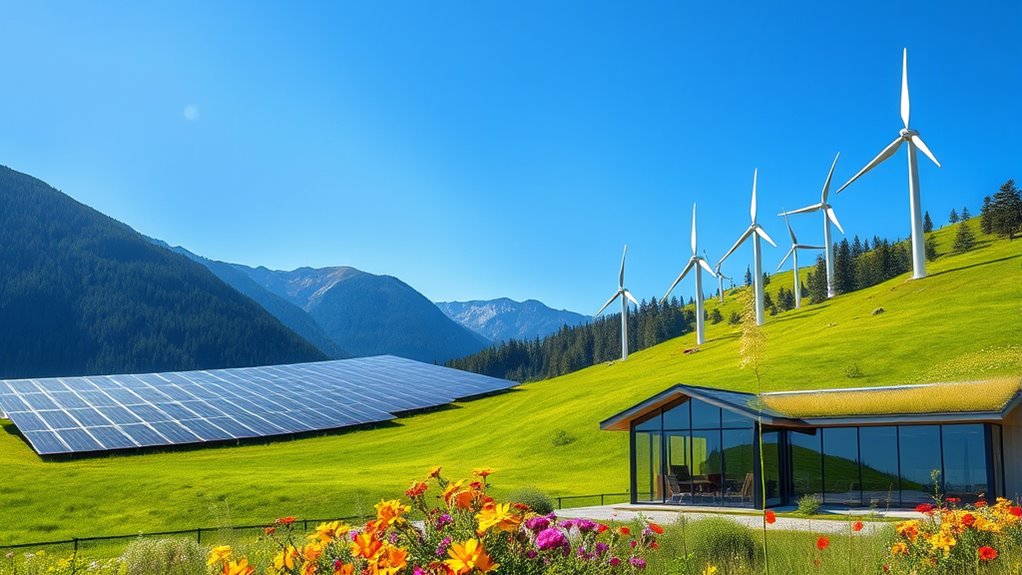
Have you ever wondered how new ideas and technologies can help combat climate change? The answer lies in innovative solutions that transform how we produce and consume energy. Renewable energy sources like solar, wind, and hydropower are at the forefront of this movement. These technologies harness natural processes to generate electricity without emitting greenhouse gases, drastically reducing our carbon footprint. By shifting away from fossil fuels, renewable energy offers a cleaner, sustainable alternative that can meet growing global demands. The more we invest in these technologies, the faster we can phase out polluting energy sources, slowing climate change’s progression. But simply switching to renewable energy isn’t enough. We also need to capture the carbon dioxide that’s already in the atmosphere. That’s where carbon capture technology comes into play. Carbon capture involves trapping CO₂ emissions from industrial processes or power plants before they reach the atmosphere, then storing or repurposing that CO₂ safely underground. This technology acts as a crucial bridge, allowing us to continue using existing infrastructure while drastically reducing emissions. Integrating renewable energy with carbon capture creates a powerful synergy, enabling industries to transition toward a low-carbon future without sacrificing energy reliability. Imagine power plants that run on renewable sources while employing carbon capture to neutralize any residual emissions. This combination not only cuts greenhouse gases but also helps meet stricter environmental regulations and international climate goals. The innovation lies in improving the efficiency and affordability of these technologies, making them accessible to more regions and industries. Advances in materials science and engineering are making carbon capture facilities more effective and less costly, opening doors for widespread adoption. Additionally, vertical storage solutions and multi-functional furniture in energy infrastructure can optimize space and efficiency. Governments and private companies are increasingly recognizing the importance of these strategies, funneling investments into research and development. Such efforts accelerate the deployment of renewable energy projects and carbon capture systems, creating jobs and boosting economies along the way. As you support policies and initiatives that promote these green technologies, you’re actively contributing to a resilient, sustainable future. The integration of renewable energy and carbon capture marks a critical step forward, showing that technological innovation can be a powerful tool in our fight against climate change. It’s about embracing the potential of science and engineering to create cleaner, smarter energy solutions. By doing so, we not only reduce our impact on the planet but also build a resilient infrastructure capable of supporting future generations. The path to climate stability involves continuous innovation, and renewable energy combined with carbon capture offers a promising route to achieve that goal.
solar wind hydropower renewable energy system
As an affiliate, we earn on qualifying purchases.
As an affiliate, we earn on qualifying purchases.
Frequently Asked Questions
How Do Green Technologies Impact Local Economies?
Green technologies boost local economies by encouraging renewable adoption, which creates new markets and reduces energy costs. As you support green initiatives, you’ll see an increase in green job creation, providing more employment opportunities for your community. These innovations can attract investments, improve infrastructure, and foster sustainable growth. By embracing green technologies, you help stimulate economic development while contributing to environmental preservation and resilience in your local area.
What Funding Options Are Available for Climate Innovation Projects?
Are you wondering how to fund your climate innovation project? You can explore green grants, which provide non-repayable funds for sustainable initiatives, or seek venture capital, where investors back promising green startups. Both options offer valuable support, but have you considered combining them? These funding sources can accelerate your project’s growth while advancing eco-friendly solutions, making it easier to turn your innovative ideas into impactful realities.
How Can Small Businesses Adopt Green Technologies Effectively?
You can adopt green technologies effectively by starting small with sustainable packaging and energy-efficient appliances. Evaluate your business needs and prioritize upgrades that offer quick ROI. Seek grants or incentives for green initiatives and partner with suppliers committed to sustainability. Educate your team about eco-friendly practices, and track your progress to stay motivated. Implementing these steps helps reduce costs and enhances your brand’s environmental reputation.
What Are the Potential Risks of Integrating New Green Tech?
You face potential risks like technological disruption, which can make green tech quickly outdated or incompatible with existing systems. Regulatory hurdles might delay or increase costs for integration, creating uncertainty. To manage these risks, stay informed on evolving policies and choose adaptable solutions. Conduct thorough testing before full implementation, and work with experts to guarantee smooth progressions. Being proactive helps you minimize disruptions and stay aligned with sustainability goals.
How Is Climate Innovation Monitored and Measured for Success?
Think of climate innovation like tending a garden; you measure success by tracking your growth and health. You monitor progress through innovation metrics, such as reductions in carbon footprint and improvements in efficiency. Regular assessments, data collection, and benchmarking against industry standards help you gauge whether your green efforts are thriving or need adjustment. This ongoing process guarantees your eco-friendly projects stay rooted in sustainability and deliver meaningful environmental impact.
carbon capture technology for power plants
As an affiliate, we earn on qualifying purchases.
As an affiliate, we earn on qualifying purchases.
Conclusion
You can embrace green technologies, support sustainable solutions, and champion innovative ideas. By doing so, you help reduce emissions, preserve resources, and protect our planet. You become part of the change, part of the solution, part of a greener future. When you innovate, you inspire. When you act, you transform. Together, through climate innovation, we can create a world that’s cleaner, healthier, and more sustainable for everyone.
integrated renewable energy and carbon capture solutions
As an affiliate, we earn on qualifying purchases.
As an affiliate, we earn on qualifying purchases.
Fall Picks
fall essentials
As an affiliate, we earn on qualifying purchases.