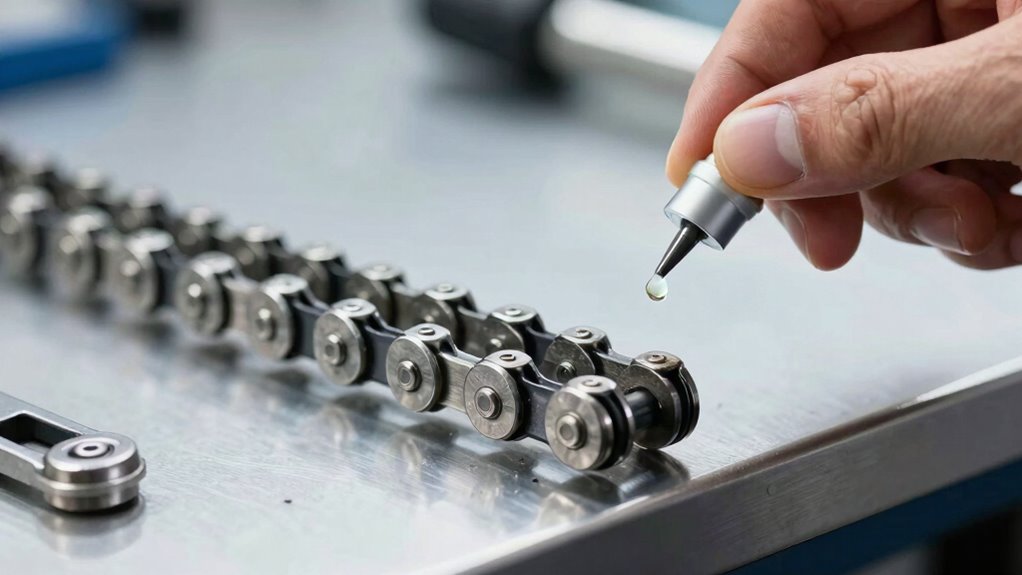

The best upgrades focus on fixing real problems and removing obstacles you face daily. Instead of chasing flashy features or fantasy solutions, they improve efficiency and reduce errors by addressing core friction points. Investing in proven technologies and listening to user feedback guarantees your upgrades are practical and sustainable. When you target genuine needs, your improvements become natural parts of your workflow. Keep exploring, and you’ll discover how practical solutions can truly transform your experience.

Get the little things that make your day delivered free — and shop member deals
- Fast, free delivery on millions of items
- Access to Prime Big Deal Days deals on October 6–7
- Prime Video, Amazon Music and more included
Key Takeaways
- Effective upgrades target existing pain points, leading to tangible improvements rather than superficial features.
- Focusing on proven technologies ensures reliability and meaningful problem-solving.
- Customer-centric designs address real user needs, reducing unnecessary complexity and boosting usability.
- User feedback uncovers true friction points, guiding practical and sustainable solutions.
- Reviewing technological options helps select impactful tools that enhance efficiency, avoiding unnecessary or distracting features.
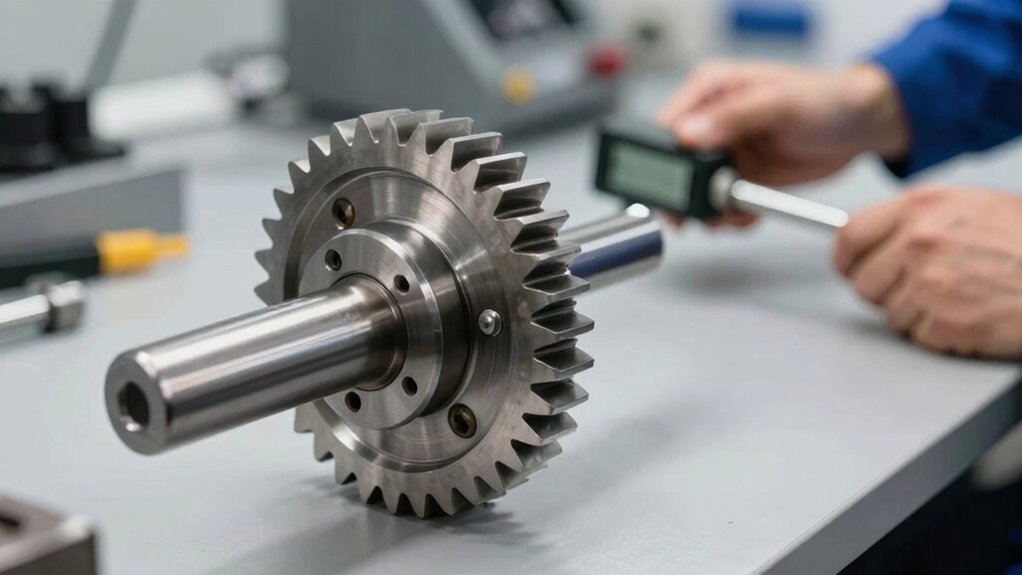
Have you ever invested in an upgrade that promised incredible results but ended up falling flat? It’s a common experience, especially when companies chase after flashy features or the latest trends. But real progress doesn’t come from chasing fantasies; it comes from addressing the actual friction points that hinder performance. The best upgrades focus on solving problems at their core, rather than offering vague promises of transformation. To do that effectively, you need to prioritize innovative technologies that are proven to improve efficiency and effectiveness. These innovations aren’t just about adding new gadgets; they’re about integrating solutions that streamline processes, reduce errors, and enhance user experiences. When you choose upgrades rooted in innovative technologies, you’re investing in tools designed to remove obstacles, not create them.
Effective upgrades target core problems, not flashy features, and focus on proven innovative technologies to streamline processes and remove obstacles.
Equally important is a customer-centric design approach. It’s tempting to develop upgrades based on what you think users want, but if you ignore their real needs, you’re likely to introduce features that don’t add value or, worse, complicate the experience. Customer-centric design means listening carefully to user feedback and understanding their pain points. By focusing on what truly matters—like ease of use, accessibility, and seamless integration—you make sure the upgrade actually solves friction points instead of creating new ones. When upgrades align with user needs, they become natural extensions of existing workflows rather than disruptive obstacles. Incorporating user feedback that is grounded in real-world experiences can significantly improve the relevance and effectiveness of upgrades. Recognizing and applying biodiversity principles can also inspire innovative solutions that promote sustainability alongside technological advancement. Additionally, understanding technological reviews can help identify the most effective tools that address specific friction points efficiently.
As an affiliate, we earn on qualifying purchases.
Frequently Asked Questions
How Can I Identify Real Friction Points in My System?
To identify real friction points, you should analyze your system for bottlenecks and hidden inefficiencies. Monitor performance metrics, such as response times and throughput, to spot slowdowns. Conduct thorough process reviews and gather feedback from users. Look for tasks that repeatedly delay workflows or cause frustration. These signs reveal where friction exists, allowing you to target upgrades that effectively improve system flow instead of chasing false issues.
What Are Common Misconceptions About Upgrading for Performance?
Many believe that upgrading always boosts performance, but that’s a myth. You might fall for performance illusions, thinking a flashy new component will fix all issues. Don’t overlook underlying friction points or system bottlenecks. Instead, analyze your system objectively. Upgrading myths can lead you to spend unnecessary money on upgrades that don’t address core problems. Focus on targeted improvements that reduce actual friction, rather than chasing false performance gains.
How Do I Prioritize Upgrades That Reduce Friction?
You should prioritize upgrades that reduce friction, focusing on functional improvements over purely aesthetic enhancements or creative innovations. Start by identifying bottlenecks or areas where performance slows down, then choose upgrades that streamline those processes. Avoid getting distracted by flashy features that add little real value. Instead, invest in practical enhancements that make your workflow smoother, ensuring your upgrades genuinely improve efficiency and reduce unnecessary friction.
Are There Specific Tools to Measure Friction Improvements?
Did you know that friction testing can reduce energy loss by up to 50%? To measure improvements, you should use specific measurement tools like tribometers or friction testers. These tools accurately gauge friction levels between surfaces, helping you identify where upgrades make the biggest difference. Regular friction testing guarantees you’re targeting the right areas, leading to more efficient processes and cost savings over time.
What Mistakes Should I Avoid When Upgrading for Efficiency?
When upgrading for efficiency, avoid common upgrade pitfalls like chasing efficiency myths that promise quick fixes. Focus on measurable improvements rather than flashy features. Don’t over-upgrade beyond your needs, as it can lead to unnecessary costs and complexity. Confirm compatibility with existing systems and prioritize upgrades that address actual friction points. By staying realistic and data-driven, you’ll prevent wasted effort and achieve genuine efficiency gains.
As an affiliate, we earn on qualifying purchases.
Conclusion
Remember, chasing quick fixes or fanciful upgrades is like building castles in the air—you might dream big, but without solid foundations, they’ll crumble. Focus on solving real friction points, those tiny, persistent annoyances that slow you down. When you address what’s actually holding you back, you create lasting progress. Sometimes, the simplest upgrades make the biggest difference—like sharpening a blade rather than adding shiny new handles. Keep your eye on the prize, and build wisely from the ground up.
As an affiliate, we earn on qualifying purchases.
error reduction automation tools
As an affiliate, we earn on qualifying purchases.
As an affiliate, we earn on qualifying purchases.
Fall Picks
fall essentials
As an affiliate, we earn on qualifying purchases.