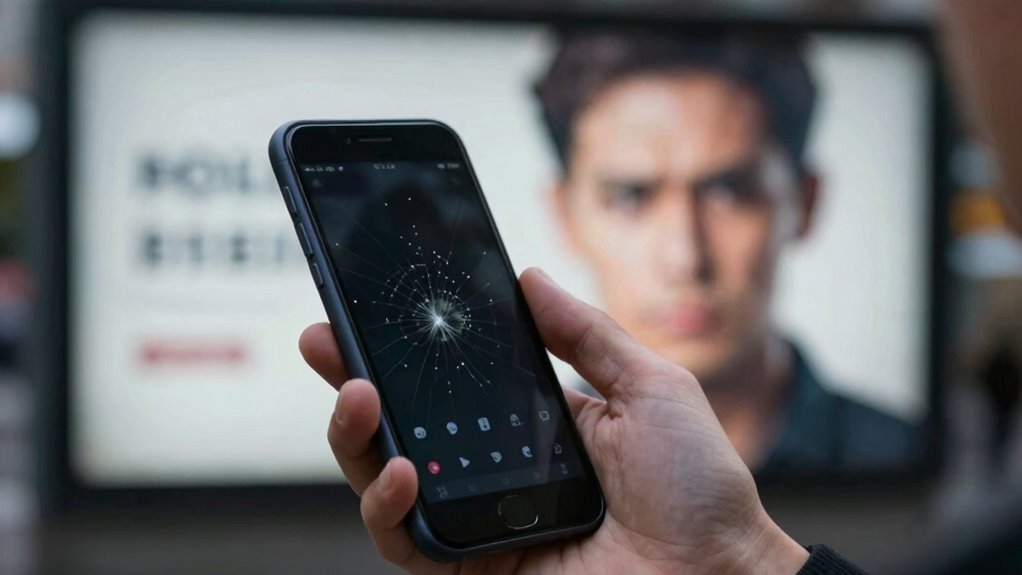

Nowadays, you’re more skeptical because of the constant stream of conflicting messages and misinformation that make trusting brands harder. You question the motives behind advertising and demand honesty and transparency. Past experiences of broken promises also weaken your trust. As a result, you look for brands that show authenticity through actions and verifiable evidence. If you want to understand how this shift impacts consumer trust further, keep exploring what’s behind these changing expectations.

Get the little things that make your day delivered free — and shop member deals
- Fast, free delivery on millions of items
- Access to Prime Big Deal Days deals on October 6–7
- Prime Video, Amazon Music and more included
Key Takeaways
- Consumers face overwhelming and conflicting information, leading to increased doubts about brand authenticity and motives.
- Misinformation online fosters suspicion, prompting consumers to verify claims through reviews and research.
- Past unmet promises and false advertising erode trust, making consumers more cautious and critical.
- Growing demand for transparency and accountability pushes brands to demonstrate authenticity through actions.
- Widespread misinformation and fake narratives heighten skepticism, requiring brands to establish genuine, verifiable credibility.
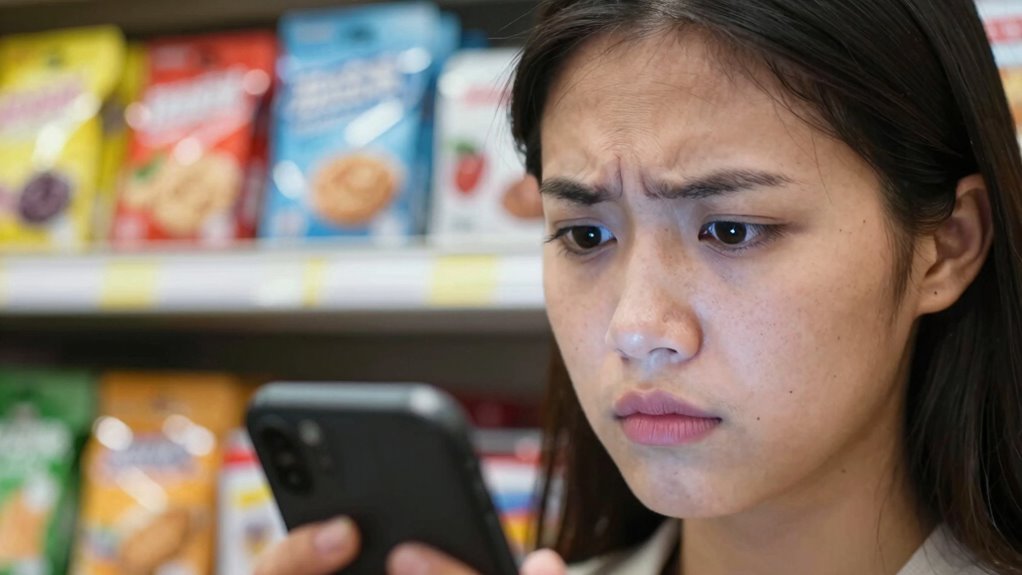
In today’s world, consumers are more skeptical than ever, questioning the motives behind advertising, product claims, and brand promises. You’re bombarded with messages every day, and it’s harder to know which ones to trust. With so much conflicting information out there, trust issues have become a significant barrier between brands and consumers. You want honesty and transparency, but what you often get are exaggerated claims or glossy marketing that can feel detached from reality. This skepticism isn’t just a passing phase; it’s rooted in real concerns about misinformation and the authenticity of what’s being presented to you.
Misinformation concerns play a huge role in shaping your perceptions. When you see false or misleading information online, it’s natural to question the validity of all claims, even from reputable brands. The proliferation of social media and digital platforms makes it easier for misinformation to spread rapidly. As a result, you’re more cautious about accepting anything at face value. You might research products extensively, read reviews, and cross-check claims—all of which stem from a desire to avoid being misled. This heightened awareness makes you more discerning, but it also creates a sense of fatigue, as sifting through the noise becomes exhausting. Recognizing the importance of verified information can help you navigate this complex landscape with greater confidence. Understanding how misinformation spreads can empower you to better identify credible sources and make more informed decisions. This has led many consumers to prioritize transparency and authenticity from brands, expecting them to back up their claims with verifiable evidence.
Your trust in brands is no longer automatic. You’re more likely to doubt a company’s motives, especially when marketing feels overly manipulative or insincere. Consumers like you are seeking meaningful engagement and genuine transparency because past experiences have shown that not all promises are kept. When companies fail to deliver or appear to prioritize profits over customer well-being, your trust diminishes further. This mistrust can be difficult to rebuild, and it pushes you to seek out brands that demonstrate authenticity through actions, not just words. Your skepticism has also led to an increased demand for authentic brand communication, emphasizing honesty and consistent behavior.
Trust in brands is fragile; authenticity through actions is now the only way to earn and retain loyalty.
Additionally, the rise of misinformation concerns has prompted you to become a more critical consumer. You’re aware that false information can be weaponized to influence opinions or push hidden agendas. As a result, you approach advertising with a healthy dose of skepticism, scrutinizing every detail. This shift affects how you interact with brands, preferring those that openly share their values, admit mistakes, and provide verifiable evidence for their claims. The spread of misinformation has fundamentally shifted consumer expectations, making honesty and accountability more important than ever. Ultimately, the landscape has changed from one of blind trust to one where you demand accountability, transparency, and honesty before you commit your loyalty or your money.
verified customer review products
As an affiliate, we earn on qualifying purchases.
As an affiliate, we earn on qualifying purchases.
Frequently Asked Questions
How Has Social Media Influenced Consumer Skepticism?
Social media has boosted consumer skepticism by exposing false claims in viral campaigns and questioning influencer credibility. You often see exaggerated promises or biased endorsements, making it harder to trust marketing messages. Influencers, once seen as genuine, now face doubts about their motives. This environment encourages you to seek trusted sources and verify information, fostering a more cautious approach to brand messaging and advertising online.
What Role Does Misinformation Play in Shaping Consumer Trust?
Misinformation profoundly erodes your trust because it spreads false or misleading facts, making it hard to know what’s accurate. When companies or sources lack transparency, you become more skeptical, questioning their motives and credibility. To protect yourself, prioritize fact checking accuracy and seek out transparent sources. This helps you distinguish genuine information from falsehoods, fostering a more informed and confident approach to trusting the content you consume.
Are Younger Generations More Skeptical Than Older Ones?
You might think younger generations are more skeptical than older ones, and evidence suggests that trust evolution varies across ages. Research shows generational differences influence skepticism, with younger people often questioning traditional marketing and authority more openly. This shift likely stems from increased exposure to misinformation and digital literacy, making them more cautious about accepting information at face value. So, yes, younger folks tend to be more skeptical, driven by evolving trust dynamics in a digital world.
How Do Companies Rebuild Trust After Scandals?
You can rebuild trust after scandals by prioritizing corporate transparency, openly sharing your challenges and corrective actions. Focus on ethical branding, consistently demonstrating your commitment to integrity and social responsibility. Engage with your consumers honestly, listen to their concerns, and show genuine accountability. Over time, these practices help restore credibility, rebuild emotional connections, and prove your company’s dedication to earning back their trust.
What Future Trends Might Impact Consumer Skepticism?
Like a lighthouse guiding ships through fog, market transparency and ethical branding will shape future consumer trust. As digital connectivity deepens, you’ll expect brands to openly share practices and values, reducing doubt. Technological innovations, such as blockchain, will bolster authenticity, while social awareness drives ethical responsibility. These trends will make it harder for companies to hide behind façades, compelling you to seek genuine connections based on honesty and integrity.
transparency and authenticity products
As an affiliate, we earn on qualifying purchases.
As an affiliate, we earn on qualifying purchases.
Conclusion
In this climate of constant claims and credible crises, your curiosity must counteract your censure. Cultivate caution, but don’t succumb to cynicism; instead, stay skeptical, yet sincere. By sharpening your skepticism and scrutinizing sources, you safeguard your sanity and savings. Remember, your vigilance is essential in this volatile vortex of vapor and veracity. Keep questioning, conserve confidence, and continue your conscious consumer journey with clarity and conviction.
brand credibility verification tools
As an affiliate, we earn on qualifying purchases.
As an affiliate, we earn on qualifying purchases.
As an affiliate, we earn on qualifying purchases.
NFL season / tailgating Picks
team gear
As an affiliate, we earn on qualifying purchases.