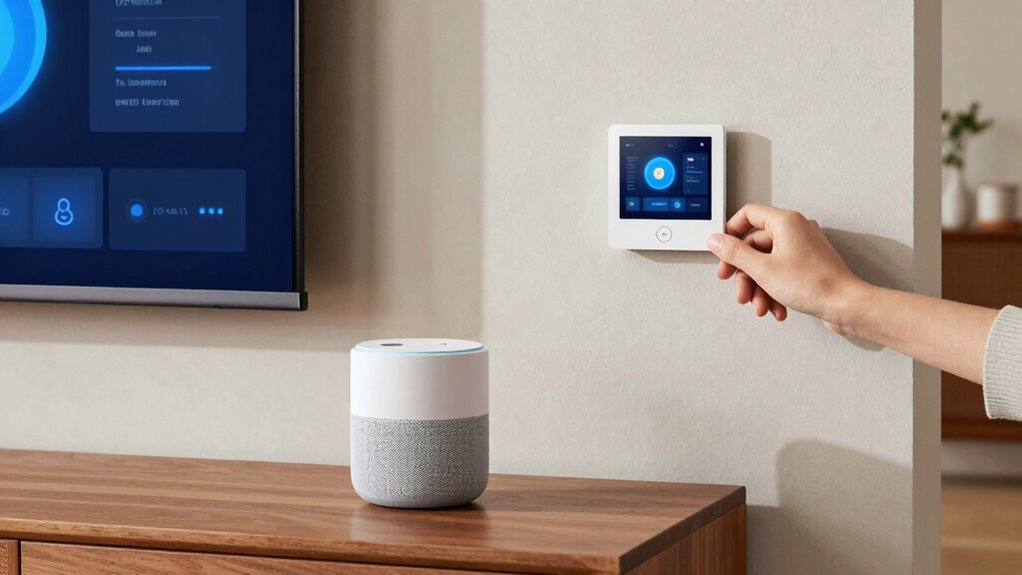

Before buying smart home devices, consider how they handle your privacy. Look for options that process voice commands locally instead of in the cloud to reduce data risks. Check each device’s data encryption and security protocols to keep your information safe. Make sure you can easily access privacy settings to control what data is collected or deleted. Research the manufacturer’s reputation for security, and stay informed about updates. Keep these points in mind to protect your personal space as you create your smart home.
Listen free for 30 days with Audible
Thousands of audiobooks and originals — cancel anytime.
As an affiliate, we earn on qualifying purchases.
Key Takeaways
- Research device security features and ensure they offer local processing or strong encryption protocols.
- Review privacy policies to understand data collection, storage, and sharing practices.
- Enable and customize privacy settings to control data access and retention.
- Choose reputable manufacturers with a positive privacy and security track record.
- Stay informed about software updates and security patches to maintain device safety.
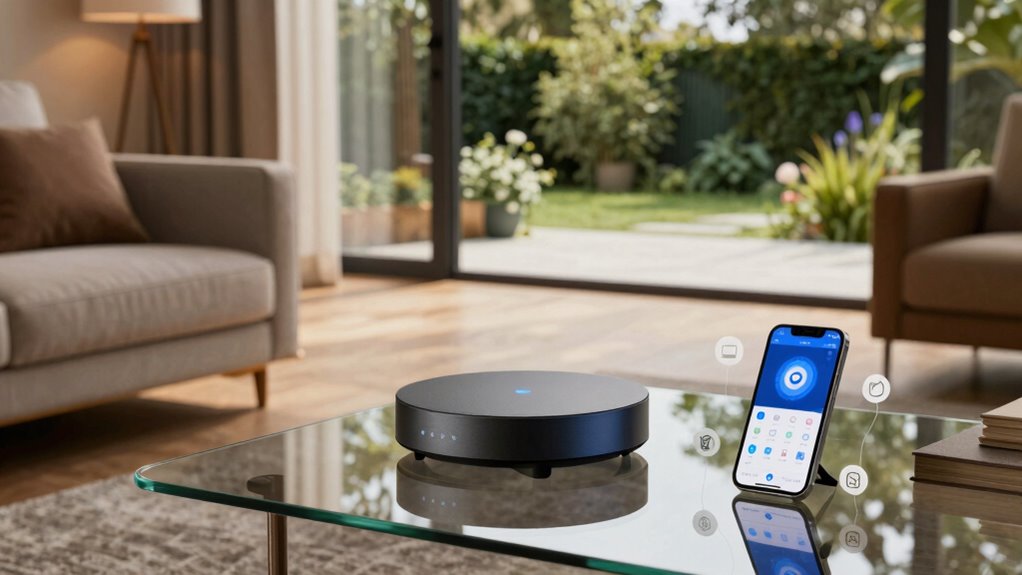
As smart home technology becomes more integrated into daily life, safeguarding your privacy is more important than ever. When you’re contemplating purchasing smart devices, it’s essential to think about how they handle your personal information. Many devices use voice recognition to respond to commands, which means they’re constantly listening for keywords or wake words. While this feature offers convenience, it also raises concerns about what data is being collected and how it’s stored. You want to ensure that the voice recognition features are designed with privacy in mind, ideally processing commands locally on the device rather than transmitting every word to a cloud server. If your voice data is sent to the cloud, there’s a risk it could be intercepted or misused, so look for devices that prioritize on-device processing.
Data encryption plays a critical role in protecting your information. When your smart home devices communicate with servers or other devices, they generate a lot of data—from voice commands to activity logs. Without proper encryption, this data could be vulnerable to hacking or unauthorized access. Before buying, check whether the device manufacturer uses robust data encryption protocols, both during transmission and storage. This is especially important as data security is fundamental to preventing breaches and maintaining your privacy. This helps ensure your personal data remains secure even if intercepted. A reputable company will be transparent about their security measures, so don’t hesitate to ask or research their privacy policies. Additionally, understanding how devices handle data privacy can help you make more informed choices about your smart home setup. Recognizing the importance of privacy controls can also empower you to customize your privacy preferences effectively. Moreover, exploring the security features offered by manufacturers can give you confidence in how well your data is protected.
Another aspect to consider is how much control you have over your data. Some devices allow you to view, delete, or restrict what information is collected, giving you more control over your privacy. Look for devices that offer privacy settings that are easy to understand and manage. Additionally, review the vendor’s data handling policies—are they sharing information with third parties? Do they retain your data for long periods? Knowing this helps you decide if the device aligns with your comfort level regarding privacy.
You should also pay attention to the manufacturer’s reputation and privacy track record. Companies with a history of security breaches or lax privacy policies might not be the best choice. Reading reviews and independent security assessments can give you insights into how well a device protects user data. Keeping up with security updates and promptly applying them is also essential to maintaining your device’s security over time. Remember, even the most secure device won’t be truly private if you’re not proactive about settings and updates.

Privacy-Secure Voice Control Processor Local Algorithm for Smart Home Devices Local Voices Control Chip
- Offline Voice Recognition: Fast response under 0.2s in network-free environments
- Versatile Application: Ideal for smart home, gadgets, automation, and education
- Multiple Interfaces: Supports UART, GPIO, SPI, I2C for easy integration
As an affiliate, we earn on qualifying purchases.
As an affiliate, we earn on qualifying purchases.
Frequently Asked Questions
How Secure Are Smart Home Devices Against Hacking?
Smart home devices can be fairly secure against hacking, especially if they use strong device encryption and your manufacturer practices transparency about security measures. You should regularly update device firmware, change default passwords, and connect devices to a secure Wi-Fi network. By choosing reputable brands that prioritize transparency and encryption, you reduce your risk of being hacked and guarantee your smart home remains safe and private.
Can Smart Home Data Be Shared With Third Parties?
Yes, smart home data can be shared with third parties, but only if you give your user consent. Companies often share data for marketing or analytics, even when you’re not aware. To protect your privacy, look for devices with strong data encryption and clear policies on third-party sharing. Always review permissions and settings, and be cautious about what data you allow to be shared, ensuring your privacy remains protected.
What Are the Best Privacy Settings for Smart Home Devices?
You should set your smart home devices with strong device encryption and customize user permissions to protect your privacy. Enable encryption to secure data transmitted between devices and your network. Adjust user permissions to control who can access or modify device settings. Regularly review these settings and update passwords to prevent unauthorized access. These steps guarantee your smart home remains private and your data stays secure.
Do Smart Home Devices Record Conversations Unintentionally?
Yes, smart home devices can unintentionally record conversations, especially with voice activation features always listening for commands. This data is often stored or transmitted for processing, raising privacy concerns. To protect yourself, confirm your devices use strong data encryption and review privacy settings regularly. Disabling voice activation when not needed and turning off devices completely when unused can further minimize accidental recordings and safeguard your privacy.
How Can I Delete My Smart Home Data Permanently?
Did you know over 60% of smart device users worry about data privacy? To delete your smart home data permanently, start by accessing your device’s privacy settings. Use data encryption options and make sure user authentication is enabled to protect your info. Then, follow the manufacturer’s instructions to erase stored data. Regularly review your privacy controls to keep your smart home data truly private and permanently deleted.
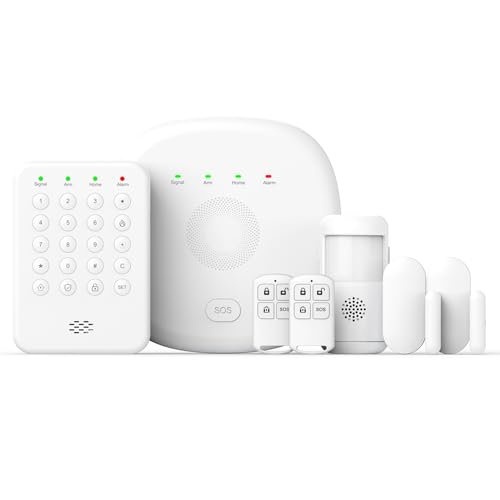
2026 Home Security System, 7-Piece Wireless Smart Alarm System Kit with Instant App Alerts & WiFi+GSM/4G,Mobile App Control,Door/Window Sensors,Remote,Motion Detectors,Compatible with Alexa
- Customizable Defense Modes: Arm, disarm, and set modes easily
- Ideal for Small Homes: Suitable for 1-2 bedroom residences
- Complete Security Kit: Includes sensors, detectors, and remotes
As an affiliate, we earn on qualifying purchases.
As an affiliate, we earn on qualifying purchases.
Conclusion
As you step into the world of smart homes, remember that your privacy is the delicate thread weaving your digital life together. Like a gardener tending fragile blooms, nurture your security by staying vigilant and informed. Think of your smart devices as guardians with open ears—choose wisely, set boundaries, and stay in control. Only then can your smart home be a sanctuary, a symphony of convenience and privacy harmonized in perfect balance.

Aqara Smart Home Hub M3 for Advanced Automation, Matter Controller, IR
- Multi-Protocol Support: Supports Zigbee, Thread, Wi-Fi, Bluetooth, IR, PoE
- Matter Bridge Functionality: Enables seamless integration with Matter ecosystems
- Device Capacity: Supports up to 127 Zigbee and 127 Thread devices
As an affiliate, we earn on qualifying purchases.
As an affiliate, we earn on qualifying purchases.

WYZE Cam Pan v3, Indoor/Outdoor IP65-Rated 1080p Pan/Tilt/Zoom Wi-Fi Smart Home Security Camera with Color Night Vision, 2-Way Audio, Compatible with Alexa & Google Assistant
- 1080p HD Video: Clear, detailed video quality
- Pan/Tilt/Zoom Coverage: 360° pan and 180° tilt
- Auto Patrol with Waypoints: Set 4 custom monitoring points
As an affiliate, we earn on qualifying purchases.
As an affiliate, we earn on qualifying purchases.
Baby shower & registry season Picks
baby registry must-haves
As an affiliate, we earn on qualifying purchases.