

When you use online tutorials to learn DIY skills, it’s essential to prioritize safety and honestly assess your abilities before starting. Look for clear instructions with safety tips, and take your time to understand each step. Regular practice and monitoring your progress help build confidence safely. Combining these strategies keeps you motivated and guarantees a successful project. Keep exploring workplace safety and skill development, and you’ll master DIY in no time.

Get the little things that make your day delivered free with Prime
- Fast, free delivery on millions of items
- Prime Video, Amazon Music and more included
- Member-only deals all year
Key Takeaways
- Choose tutorials with clear instructions and specific safety tips tailored to your DIY project.
- Assess your current skills honestly and break down tasks into manageable steps for effective learning.
- Prioritize safety by reviewing safety protocols within tutorials and implementing protective measures throughout.
- Practice regularly, monitor your progress, and revisit tutorials or resources to build confidence and competence.
- Incorporate safety and skill evaluation into your learning process to ensure successful and injury-free DIY project execution.
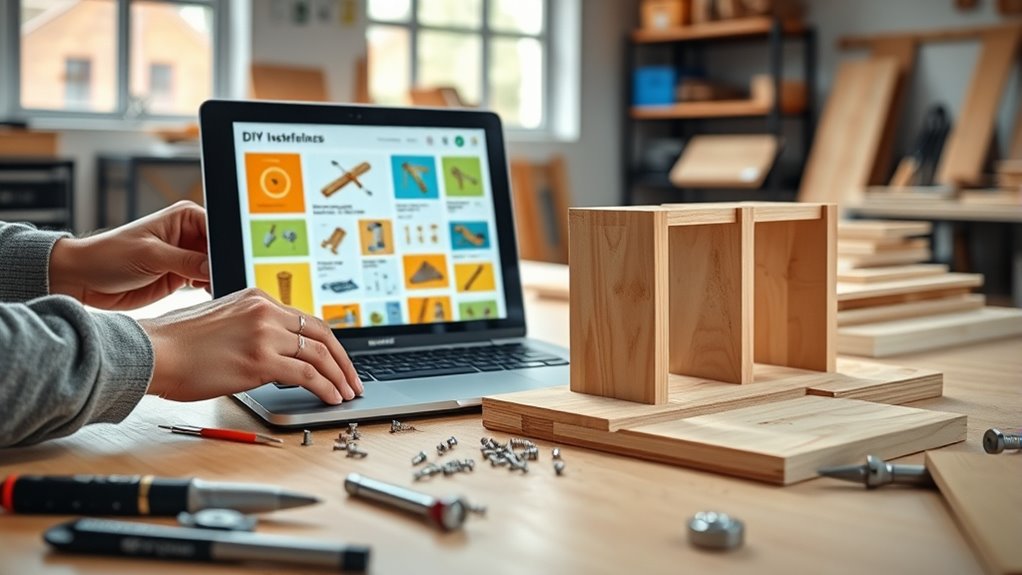
Have you ever wondered how to learn a new skill quickly and effectively? Online tutorials are a fantastic resource that can help you master DIY skills at your own pace. But before jumping into any project, it’s essential to prioritize project safety. This means thoroughly understanding the safety protocols related to your specific task, whether it’s woodworking, electrical work, or home repairs. Many tutorials include safety tips, but it’s up to you to pay close attention and implement them. Taking safety seriously not only protects you from potential injuries but also ensures your project turns out well.
Prioritize safety in DIY projects by understanding protocols and following tutorials carefully.
To make the learning process efficient, start with a skill evaluation. Honestly evaluate your current abilities and identify what you need to improve. Watching an online tutorial can be overwhelming if you skip this step. Break down the skill into manageable parts and honestly assess your comfort level with each step. For example, if you’re learning to install a light fixture, determine if you’re comfortable working with electrical wiring or if you need to start with basic electrical safety first. This assessment helps you choose the right tutorials and avoid feeling overwhelmed or risking mistakes that could compromise safety or quality.
When choosing online tutorials, look for ones that offer clear, step-by-step instructions. Pay attention to tutorials that include safety tips specific to the task, as this emphasizes the importance of project safety. Some tutorials provide additional resources, like checklists or safety gear recommendations, which can be incredibly helpful. Don’t just watch passively; take notes and pause whenever necessary to absorb critical safety information or to practice a particular skill. Remember, mastering a DIY skill isn’t about rushing through; it’s about understanding each step thoroughly and practicing with intention.
As you progress, regularly revisit your skill evaluation to track your development. Are you performing each step confidently and safely? If not, don’t hesitate to go back and review the tutorials or seek additional resources. Online tutorials often include troubleshooting sections or FAQs that can help you overcome specific challenges. Be patient with yourself—building competence takes time, especially when it involves potentially hazardous tasks. Always prioritize project safety over speed, and don’t hesitate to consult multiple tutorials if you need more clarity.
In essence, using online tutorials effectively involves a careful skill evaluation, a strong focus on project safety, and deliberate practice. By evaluating your abilities honestly and choosing tutorials that emphasize safety, you set yourself up for successful, safe DIY projects. Additionally, understanding the importance of energetic alignment can help you stay motivated and focused throughout your learning journey. Remember, the goal is to learn, improve, and create confidently—so take your time, stay safe, and enjoy the process.
As an affiliate, we earn on qualifying purchases.
Frequently Asked Questions
How Do I Verify the Credibility of Online Tutorial Sources?
You verify the credibility of online tutorial sources by checking for source credibility and expert validation. Look for tutorials from reputable websites, well-known brands, or professionals in the field. Read reviews and comments to see if others found the content helpful and accurate. Confirm the creator’s credentials or experience, and cross-reference with other trusted sources. These steps guarantee you’re learning from reliable sources that provide accurate, expert-validated information.
What Equipment Do I Need Before Starting a DIY Project?
Starting your DIY project is like preparing for an adventure—you need the right gear. Grab basic tools like a hammer, screwdriver, measuring tape, and pliers. Don’t forget safety gear such as goggles, gloves, and a dust mask to protect yourself. Having these essentials on hand guarantees you work efficiently and safely. Once equipped, you’re ready to plunge into your project with confidence and skill.
How Can I Adapt Tutorials for Different Skill Levels?
You can adapt tutorials for different skill levels by skill level adjustments and tutorial customization. Start by evaluating your current abilities and choose tutorials that match or slightly challenge you. If you’re a beginner, look for step-by-step guides with detailed instructions. As you improve, try more advanced tutorials or modify existing ones to increase complexity. Remember, customizing tutorials helps you learn at your own pace and builds confidence gradually.
What Safety Precautions Should I Follow When Using Online Tutorials?
Safety is your shield when following online tutorials. Always wear safety gear like goggles, gloves, and masks to protect yourself. Keep an emergency plan in place—know how to shut off equipment quickly and have a fire extinguisher nearby. Pay attention to instructions, don’t rush, and double-check your work. Remember, a cautious mind transforms a simple project into a safe and successful adventure, turning potential hazards into lessons learned.
How Do I Troubleshoot if a Tutorial’s Instructions Are Unclear?
If you face clarity issues or instructional gaps in a tutorial, pause and review the steps carefully. Check for alternative sources or comments where others might clarify confusing parts. Search for related videos or articles to fill in missing info. You can also pause and try a small test to see if your understanding is correct before proceeding. Don’t hesitate to ask in online communities for additional guidance.
electrical safety tools for home repairs
As an affiliate, we earn on qualifying purchases.
As an affiliate, we earn on qualifying purchases.
Conclusion
Don’t let the fear of messing up hold you back. Online tutorials make learning DIY skills easy and accessible, giving you step-by-step guidance right at your fingertips. Even if you’re a beginner, you can build confidence and master projects on your own. Remember, making mistakes is part of the process. So, jump in, try new things, and enjoy the satisfaction of creating something with your own hands—your skills will grow with each attempt.
As an affiliate, we earn on qualifying purchases.
step-by-step woodworking tutorials
As an affiliate, we earn on qualifying purchases.
As an affiliate, we earn on qualifying purchases.
Halloween Picks
halloween
As an affiliate, we earn on qualifying purchases.