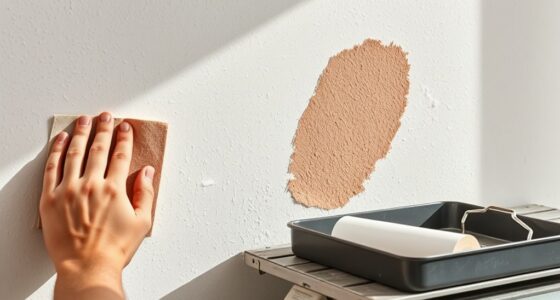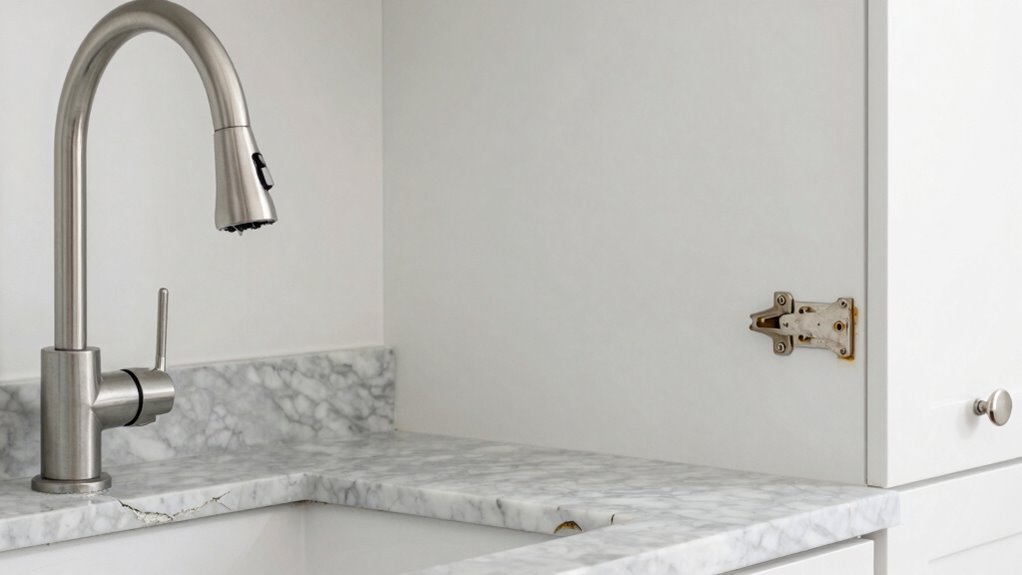

Starting your home upgrades with friction points guarantees you catch issues early that could cause delays or extra costs later. By addressing structural weaknesses, outdated systems, or aesthetic concerns upfront, you set a strong foundation for a smoother project. This approach helps you avoid surprises and keeps your renovation on track for success. Focusing on these key problem areas first will make the entire process more efficient and satisfying—stay with us to discover how to make it happen seamlessly.

Get the little things that make your day delivered free — and shop member deals
- Fast, free delivery on millions of items
- Access to Prime Big Deal Days deals on October 6–7
- Prime Video, Amazon Music and more included
Key Takeaways
- Addressing friction points early prevents costly delays and rework during the renovation process.
- Fixing structural and safety issues upfront ensures a solid foundation for future upgrades.
- Identifying energy inefficiencies early reduces long-term utility costs and enhances comfort.
- Resolving aesthetic concerns early helps establish a clear vision and reduces rework later.
- Focusing on friction points first minimizes surprises, keeping the project on schedule and within budget.
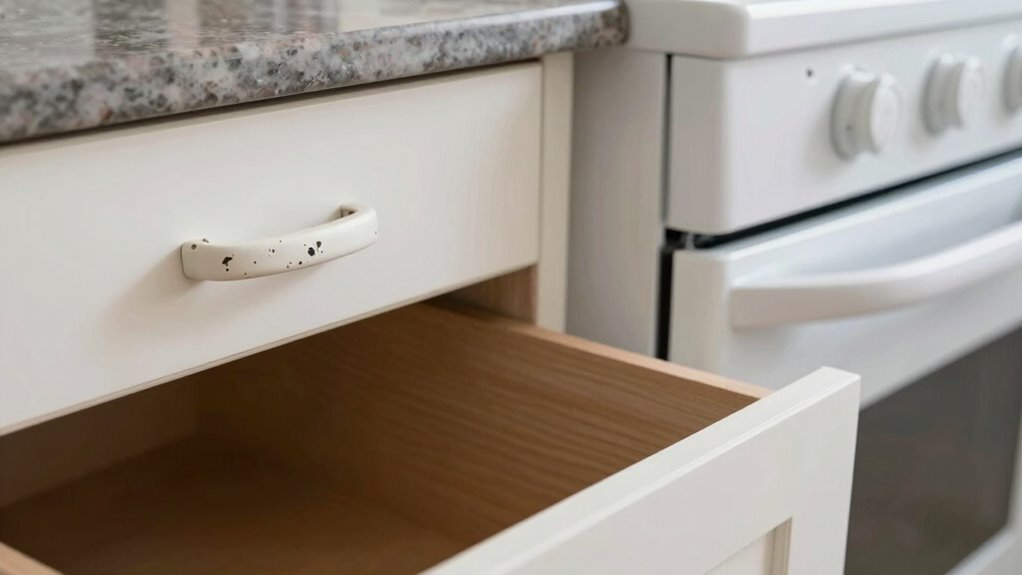
Upgrading your home can bring significant benefits, from increased comfort to enhanced value, but it often comes with unexpected friction points that can slow down or complicate the process. These friction points, or issues that hinder smooth progress, are often overlooked at the start but can cause delays and additional costs if not addressed early. These issues may include overlooked structural weaknesses or outdated systems that need urgent attention. By beginning your home upgrade journey with a focus on these problem areas, you set the stage for a more efficient, successful remodel.
One of the most critical areas to tackle first is energy efficiency. Older homes often have outdated insulation, windows, or HVAC systems that waste energy and drive up utility bills. Addressing these issues upfront makes your home more sustainable and lowers operational costs in the long run. When you identify and fix energy inefficiencies early, you prevent the need for costly retrofits later, saving you time and money. Plus, improving energy efficiency can boost your home’s overall comfort, ensuring your living space maintains a consistent temperature and reduces drafts. This initial focus on energy-saving upgrades also simplifies future enhancements, as you’ll be working within a more efficient framework. Recognizing and prioritizing energy efficiency as a foundational upgrade can streamline the entire process and lead to long-term savings. Additionally, incorporating modern energy-efficient solutions can increase your home’s value and appeal to future buyers.
Another key friction point lies in aesthetic appeal. Your home’s visual charm influences how smoothly your upgrade proceeds, especially when it comes to maintaining style consistency and avoiding costly reworks. If you ignore aesthetic issues early—such as mismatched finishes, outdated fixtures, or incompatible design elements—you risk having to redo work later, which adds frustration and expense. Starting with aesthetic considerations helps you set a clear vision and choose materials that complement your existing decor, making the entire process more streamlined. When you prioritize aesthetic appeal from the beginning, it guides subsequent decisions, reducing the chance of rework and ensuring your home’s appearance aligns with your goals. It’s also beneficial to consider design cohesion, ensuring that all elements work harmoniously for a more polished look.
Friction points often stem from underlying structural or functional issues, like plumbing or electrical problems, which can disrupt your entire project if left unaddressed. These foundational concerns, if identified early, prevent delays and unexpected expenses down the line. Addressing structural integrity early ensures your home remains safe and durable as you make upgrades, creating a solid base for further improvements. Being aware of these potential issues early on can help prevent unexpected repairs that may otherwise derail your timeline. Recognizing and resolving these issues at the outset can prevent costly repairs later and help maintain a smooth workflow throughout the renovation. Addressing them upfront allows you to build a solid base for your upgrades, ensuring everything else proceeds smoothly.
Focusing on these friction points first ultimately creates a more manageable, cost-effective upgrade process. When you prioritize energy efficiency, aesthetic appeal, and foundational issues, you reduce surprises and keep your project on track. Starting with these critical areas helps you achieve your home upgrade goals faster, with less stress, and results that truly enhance your home’s comfort, beauty, and value.
As an affiliate, we earn on qualifying purchases.
Frequently Asked Questions
How Do I Identify Hidden Friction Points in My Home?
You can identify hidden friction points by observing areas where your home feels inefficient or inconvenient. Look for outdated smart technology that doesn’t sync well or causes frustration. Pay attention to energy inefficiencies, like drafts or high utility bills, which suggest insulation or system issues. Also, listen for unexplained noises or recurring problems, and consider detailed inspections to uncover hidden issues that hinder your home’s comfort and energy efficiency.
What Budget Should I Allocate for Addressing Friction Points?
You should allocate a flexible budget, typically around 10-20% of your total renovation funds, for addressing friction points. Start with accurate cost estimation during your budget planning to avoid surprises. Prioritize fixing the most impactful issues first, and keep some funds reserved for unexpected expenses. This approach guarantees you can effectively tackle friction points without overspending, making your home more functional and comfortable.
Can Fixing Friction Points Increase My Home’s Value?
Fixing friction points can skyrocket your home’s value, transforming it into a luxurious haven that outshines nearby properties. When you focus on home renovation, addressing those annoying issues, your property appraisal will soar, reflecting the true worth of your improvements. You’ll attract more buyers, and your investment pays off in a big way. So, yes—solving friction points makes your home more desirable, boosting its value like nothing else.
How Long Does It Typically Take to Resolve Friction Points?
Resolving friction points usually takes a few days to a few weeks, depending on the complexity of the issues. Focus on energy efficiency upgrades and safety improvements first, as they can be quicker and add immediate value. Simple fixes like sealing leaks or upgrading fixtures might be done in a day, while more involved repairs, like electrical or structural updates, could take longer. Planning ahead helps you stay on track.
Are There Tools to Help Prioritize Which Friction Points to Fix First?
Yes, there are tools to help prioritize friction points, especially in a smart home focused on energy efficiency. You can use home management apps or energy monitoring systems to identify and rank issues based on impact and cost. These tools analyze your energy consumption, pinpoint inefficiencies, and suggest upgrades that will maximize savings and convenience. Prioritizing these upgrades guarantees you address the most significant friction points first, enhancing your home’s overall performance.
As an affiliate, we earn on qualifying purchases.
Conclusion
By tackling friction points first, you make your home more efficient and enjoyable. Did you know that 70% of homeowners report improved satisfaction after addressing just one major annoyance? Small upgrades can lead to big comfort gains, saving you time and frustration in the long run. So, start with those pain points—your home will feel more seamless, and your daily life will become much smoother. Don’t wait—upgrade smartly from the friction points outward.
As an affiliate, we earn on qualifying purchases.
As an affiliate, we earn on qualifying purchases.
NFL season / tailgating Picks
team gear
As an affiliate, we earn on qualifying purchases.