![A Better Way To Tie Your Gym Shorts. (Or Any Drawstring) [Video]](https://fudgemylife.org/wp-content/uploads/2026/07/a-better-way-to-tie-your-gym-shorts-or-any-drawstring-video-featured-200x110.jpg)
To make your home feel restorative, focus on creating a space that feels safe, calm, and authentic. Use soft lighting, calming colors, and textures that support relaxation. Personal touches like photos or mementos help you feel secure, while natural elements like plants add tranquility. Minimize clutter to reduce stress and establish routines that bring comfort. Prioritizing these elements makes your home a true personal sanctuary—keep exploring to discover even more ways to enhance its restorative power.

Get the little things that make your day delivered free with Prime
- Fast, free delivery on millions of items
- Prime Video, Amazon Music and more included
- Member-only deals all year
Key Takeaways
- Incorporate calming colors, soft lighting, and personal decor to create a soothing atmosphere.
- Keep the space organized and clutter-free to promote mental clarity and relaxation.
- Use natural elements like plants and water features to foster a connection with nature.
- Establish routines and include sensory elements such as gentle sounds and comforting scents.
- Design the home to reflect personal personality, making it a safe, authentic refuge.
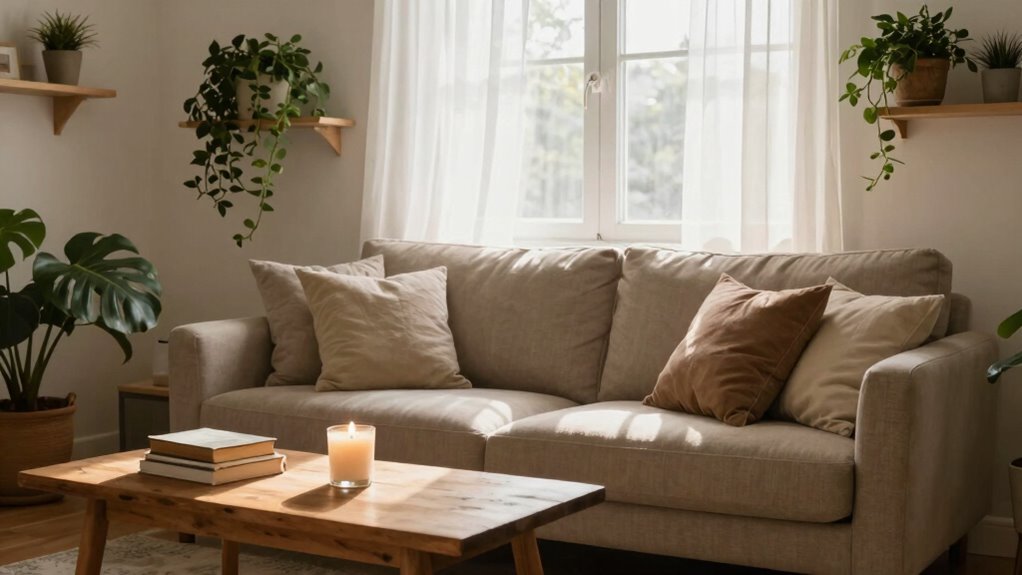
Have you ever wondered what makes a house truly feel like home? It’s more than just the structure or the furniture; it’s about creating a space where you feel safe, relaxed, and genuinely yourself. At its core, a restorative home acts as a personal sanctuary—your refuge from the chaos of everyday life. When you step inside, you should feel a sense of emotional comfort wash over you, as if all your worries can momentarily melt away. This isn’t about perfection; it’s about cultivating an environment that nurtures your well-being.
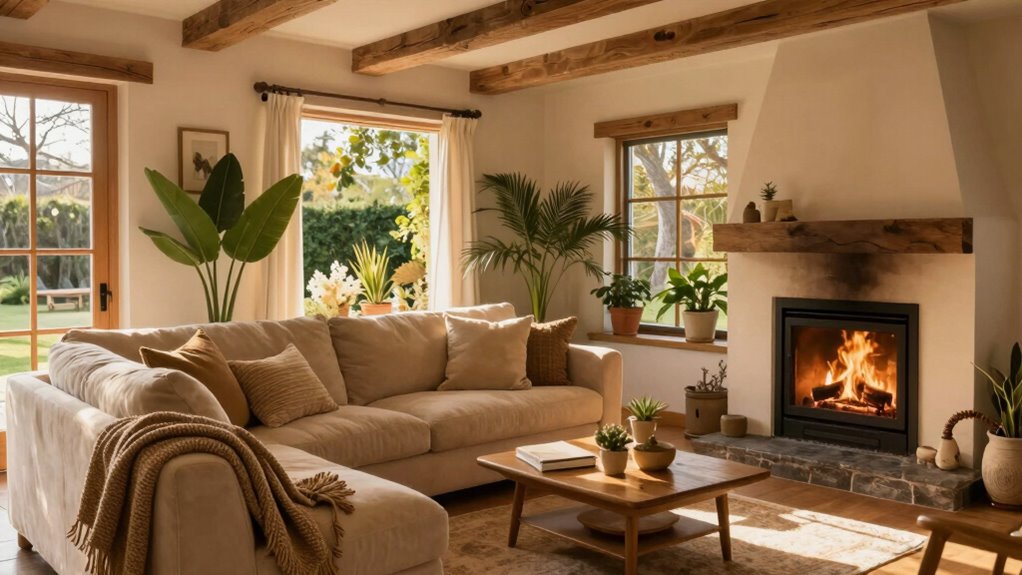
To make your home truly restorative, focus on designing spaces that reflect your personality and soothe your mind. Incorporate elements that evoke positive feelings—like soft lighting, calming colors, or meaningful decor. These details help establish a sense of familiarity and security, reinforcing your personal sanctuary. When your surroundings resonate with who you are, your home becomes more than just a physical space; it transforms into a retreat where you can recharge emotionally. Creating emotional comfort involves mindful choices about your environment. For instance, choose furniture and textiles that feel good to touch and support your body, making it easier to relax. Use scents or sounds that stimulate relaxation—perhaps lavender or gentle instrumental music—to deepen your sense of calm. Personal touches, like photographs, artwork, or mementos, serve as reminders of happy memories and loved ones, anchoring your emotional well-being. These small, intentional details help you feel grounded and connected, reinforcing your home’s role as a personal sanctuary.
Design your space with personal touches and calming elements to create a sanctuary that truly reflects and nurtures you.
Lighting plays an essential role in fostering a restorative atmosphere. Natural light during the day boosts your mood, while warm, soft artificial lighting in the evening helps you unwind. Keep clutter to a minimum, because a tidy space reduces stress and makes it easier to focus on what truly matters. A clutter-free environment not only enhances your visual peace but also promotes mental clarity and relaxation. Establish routines that promote comfort—like cozying up with a book or enjoying a cup of tea—so your home feels like an extension of your emotional landscape. Incorporating biodiversity and natural elements into your space can also enhance feelings of tranquility and connection to the environment. Additionally, incorporating natural elements such as plants or water features can significantly improve your overall sense of well-being and serenity within your home.
Ultimately, a restorative home is one that adapts to your needs, offering you a space where emotional comfort is built into its very fabric. It’s a place where you can breathe, reflect, and find peace. When you prioritize creating this environment, your house becomes more than a shelter—it becomes a true personal sanctuary, nourishing your mind and spirit each day.
Popular right now

Samsung 42-Inch S90H OLED 4K Smart TV Bundle

De’Longhi Classic Matte Black Espresso Machine with Milk Frother

Samsung 42-Inch Class OLED S90F 4K Smart TV (2025)
As an affiliate, we earn on qualifying purchases.
Frequently Asked Questions
How Does Natural Light Influence a Home’s Restorative Feel?
Natural light greatly influences your home’s restorative vibe by creating a warm, inviting atmosphere. Sunlight diffusion softens harsh shadows, making spaces feel calmer and more comfortable. Proper window placement guarantees ample daylight reaches key areas, boosting your mood and energy. When you maximize natural light, your home becomes a serene refuge that promotes relaxation and well-being, making it easier for you to unwind and recharge.
Can Color Choices Impact the Calming Atmosphere of a Home?
Yes, color choices substantially impact your home’s calming atmosphere. Using color psychology, you can select paint palettes that evoke tranquility and relaxation. Soft, muted tones like blues and greens promote serenity, while warm neutrals create coziness. By intentionally choosing colors that align with these principles, you craft a space where you feel peaceful and restored. Your color selections become an essential tool in shaping your home’s restorative vibe.
What Role Does Organization Play in Creating a Restorative Environment?
Organization plays a essential role in creating a restorative environment. You can achieve this by implementing practical storage solutions that keep clutter management simple and effective. When your space is tidy, it reduces visual chaos and mental stress, allowing you to relax fully. Regularly declutter and use storage solutions that suit your needs, creating a calm, peaceful atmosphere that rejuvenates your mind and body after a busy day.
How Important Are Personal Touches in Fostering Comfort?
Ever wondered how your home becomes truly comforting? Personal touches like sentimental decor foster comfort by allowing your personal expression to shine. They create a sense of familiarity and belonging that no generic space can match. Incorporating meaningful items makes your environment uniquely yours, helping you unwind and feel safe. These touches transform a house into a sanctuary, making every moment spent there deeply restorative.
Does Outdoor Access Affect the Restorative Quality of a Home?
Outdoor access considerably enhances the restorative quality of your home. When landscape integration is well-designed, it creates a seamless connection between indoor and outdoor spaces, fostering calm and relaxation. Prioritizing outdoor privacy allows you to unwind without feeling exposed. This sense of enclosure and harmony with nature helps reduce stress, improves mood, and makes your home a true sanctuary where you can recharge effortlessly.
Conclusion
Creating a truly restorative home isn’t just about décor; it’s about crafting a sanctuary where your soul can breathe and your mind can find peace. When you surround yourself with calming colors, cozy textures, and meaningful spaces, you turn your home into a refuge stronger than the mightiest fortress. Remember, your space has the power to heal and rejuvenate you—so make it a place so inviting, even the busiest bees would drop everything to settle in for good.