TL;DR
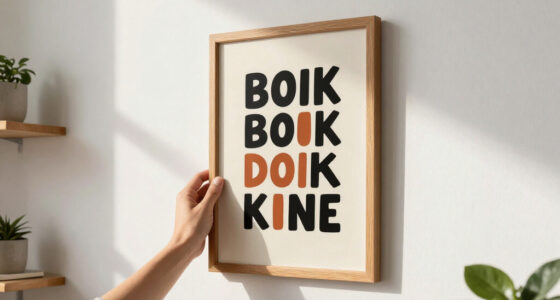
Motivational quote wall art pairs a short message with visual design to decorate a space and reflect what matters to the people who use it. Choose a phrase that feels personal, make sure it stays readable from across the room, and match its size, format, and tone to the setting.
A quote that makes you pause can change the feel of a blank wall. Maybe it is a small reminder to keep going beside your desk, or a bright line above the weights you reach for on a tired morning. Motivational quote wall art brings words and visual design together, but the right piece needs more than a popular saying and an empty nail.

Get the little things that make your day delivered free with Prime
- Fast, free delivery on millions of items
- Prime Video, Amazon Music and more included
- Member-only deals all year
This guide helps you choose a message, format, size, and spot that suit your room and the people who spend time there. You will also find ways to keep the design readable, avoid a wall that feels crowded, and check quote and artwork rights before making or selling a piece. A few careful choices can turn a slogan into something that feels like it belongs.
Choose a phrase that feels relevant to the people who use the room.
Use short wording, clear type, and strong contrast when viewers will stand far away.
Measure and mock up the art’s footprint before hanging or ordering it.
Match paper, canvas, decals, or digital displays to the room’s light, moisture, and permanence needs.
Verify quote attribution and usage rights before publishing or selling a design.
Choose a Quote That Feels Like Yours
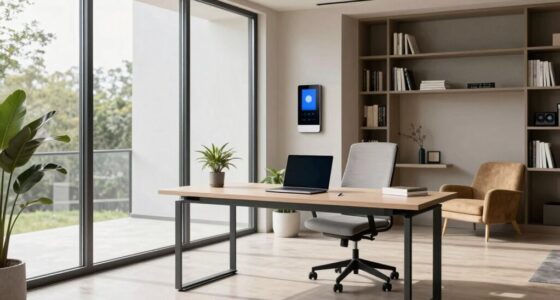
Motivational quote wall art works best when the words connect to the people who see them and the purpose of the room. A concise line about focus may suit a home office, while a gentle reminder to rest may feel more at home beside a bedroom reading chair. Pick wording you would actually want to read on an ordinary Tuesday, not just a phrase that looks impressive online.
Think about the mood you want the space to support. A family might choose a line about kindness for an entryway; a runner could hang a personal race-day reminder near the shoes by the door. The same punchy phrase can feel encouraging in a gym and oddly demanding in a shared break room, where people may have different tastes and circumstances.
Before buying, say the phrase aloud and imagine seeing it every day. Does it still sound sincere after the fifth repetition? Personal meaning beats novelty, but a quote does not need to be profound to matter; a few words in your own voice can be more grounding than a famous line that feels borrowed.
A useful wall message should welcome you back to your intention, not grade your progress.
Popular right now

De'Longhi Classic Signature Espresso Machine with Adjustable Milk Frother

Samsung 55-Inch M70H Series 4K HDR Mini-LED Smart TV with HDMI Cable and 12-Month CPS Warranty

Breville Barista Pro Espresso Machine with Built-In Grinder, Brushed Stainless Steel
As an affiliate, we earn on qualifying purchases.
Make the Words Easy to Read From Across the Room
Readable quote art uses enough contrast, open spacing, and type large enough for the distance from which you will see it. A delicate script in pale beige may look lovely up close, yet disappear across a sunlit kitchen. Short phrases usually work better at a distance because the eye can take them in quickly.
For example, if you want a print above a desk, sit in your usual chair and check whether the main line stands out without leaning forward. On a hallway wall, people may see the art only for a few seconds as they pass, so a compact phrase in clear lettering has an advantage over a paragraph in tiny type. Strong contrast can help more viewers, including people with low vision, read the message.
Color and lettering also affect the room’s character. A black typeface on warm white paper can feel calm and crisp; deep green lettering against a light background may echo plants and wood furniture. Check the design in the room’s actual light, because a sample on a bright phone screen can look quite different under a dim lamp.
- Keep the main message brief when viewers will stand far away.
- Choose clear letter shapes over elaborate script for small text.
- Check contrast and spacing in daylight and evening light.
Pick a Size and Placement That Fit the Room
Size and placement depend on wall space, viewing distance, lighting, and nearby furniture. A large statement print can anchor a home office, while a smaller piece may feel more balanced above a narrow console table. Measure before ordering; a quick outline made with painter’s tape gives you a better sense of scale than guessing from a product photo.
Try this three-step check before you hang anything:
- Measure the wall area and the furniture below it, leaving visible breathing room around the piece.
- Mark the proposed edges with paper or painter’s tape, then view the outline from the doorway and your usual seat.
- Check the light and reading distance at the time of day you use the room most.
For instance, a poster that fills the space above a small writing desk may feel oversized when seen from the doorway, even if the dimensions seemed reasonable online. A gallery wall can fill a wider stretch, but consistent spacing and a shared color or frame style help it read as one arrangement. Let the room set the scale; the biggest available print is not automatically the best one.
Compare Prints, Canvas, Decals, and Digital Displays
Each art format gives you a different mix of price, appearance, flexibility, and care needs. Paper prints are light and often economical; framed work adds a finished border; canvas has a textured surface; removable decals can suit a rental wall; and digital displays let you change the message. Your choice depends on the room and how permanent you want the piece to feel.
A renter might choose a removable decal for a small workout corner, while someone decorating a quiet study may prefer a framed print with a mat. In a humid bathroom, ask the seller about materials and care rather than assuming a paper print will hold up well. Longevity depends on print quality, inks, framing, sunlight, and moisture, so follow the maker’s guidance and avoid harsh conditions.
| Format | Works well when | Check before choosing |
|---|---|---|
| Paper print | You want a light, flexible option | Frame, glazing, and sunlight exposure |
| Canvas | You like a textured, finished look | Surface care and room humidity |
| Removable decal | You want a changeable wall accent | Wall finish and removal instructions |
| Digital display | You want to rotate messages | Screen glare, power, and display settings |
Match the material to the conditions, not just the product photo. A beautifully framed print can feel too formal in a casual playroom, while a decal can give a temporary workspace a touch of personality without committing to a permanent arrangement.
Keep a Quote Wall Personal, Not Cluttered
A thoughtful quote wall has room for the eye to rest and a clear reason for each piece to be there. One large print creates a focal point; several smaller prints can tell a broader story or fill a long wall. Either approach can work, but stacking lots of unrelated fonts, colors, and sayings may make the wall feel noisy.
Imagine a narrow corner beside a reading chair. One framed line in a soft, earthy palette could make the spot feel settled, while a cluster of six bright slogans might compete with the books, lamp, and patterned cushion. If you want a gallery wall, repeat one visual detail—perhaps similar frames or a shared accent color—to tie the pieces together.
Current design directions include minimalist typography, neutral or earthy colors, abstract backgrounds, coordinated print sets, and personalized wording. These are broad trends, not live sales figures. A motivational quote wall can also feature your own phrase, a date, or a name; a small, specific message often feels more authentic than a wall of familiar slogans.
Try laying the pieces on the floor before hanging them. You can shift a print two inches, remove one that feels unnecessary, and see the whole arrangement before making holes in the wall. Leave breathing room around each message so the design feels intentional.
Check Quote Attribution and Artwork Rights Before You Share
Check the source and usage rights before attributing a quote, publishing your design, or selling a finished piece. Popular sayings are often credited to the wrong person, and a quote being widely shared online does not automatically make it free for commercial use. Artwork, photographs, fonts, and templates can carry separate restrictions too.
Suppose you design a print for an online shop using a famous line, a downloaded image, and a decorative font. Even if you created the layout yourself, you still need to check the rights for each element and the quote’s copyright status. A safer starting point is original wording in your own voice, paired with assets whose license clearly covers your intended use.
For a personal craft project, you can make a design with hand lettering, illustration, or a digital layout, while checking the terms for any font, image, or template you use. If the attribution matters, trace the wording to a reliable source rather than repeating a social-media graphic. Credit carefully and verify permissions; when commercial rights are unclear, get qualified legal advice before offering the work for sale.
That care protects both the people who created the source material and the trust your own work depends on. A handmade piece can still feel distinctive without borrowing a celebrity’s name or a protected design.
Frequently Asked Questions
Where should I hang motivational quote wall art?
Put it where the message is visible and suits the room’s purpose: beside a desk, near an entryway, in a workout area, or on a classroom wall. Check the viewing distance and lighting from the spot where people will actually see it.
How do I choose the right size?
Measure the wall and nearby furniture, then mock up the print’s outline with painter’s tape or paper. View it from the doorway and from your usual seat; the art should feel balanced there and remain readable.
Should I choose one large print or a gallery wall?
One print creates a clear focal point, while several smaller pieces can fill a wider area or express more than one idea. Keep their spacing or visual style consistent so the group feels connected.
Can I make my own quote wall art?
Yes. You can use hand lettering, illustration, or a digital layout, and personalized wording can make the result feel especially fitting. Check the usage rights for any quote, image, font, or template, particularly if you plan to sell the work.
Can I sell art featuring a famous quote?
That depends on the quote’s copyright status and the rights to the artwork, font, and other materials in your design. A phrase appearing widely online does not by itself grant commercial permission, so verify the rights before listing the product.
Conclusion
Choose the words first, then make the design earn its place: keep it readable, size it for the wall, and put it where the message fits the room. If you are torn between a famous slogan and a line that sounds like you, start with your own words.
A good piece does not need to shout. It can simply catch your eye on a long afternoon and leave a little light on the wall.