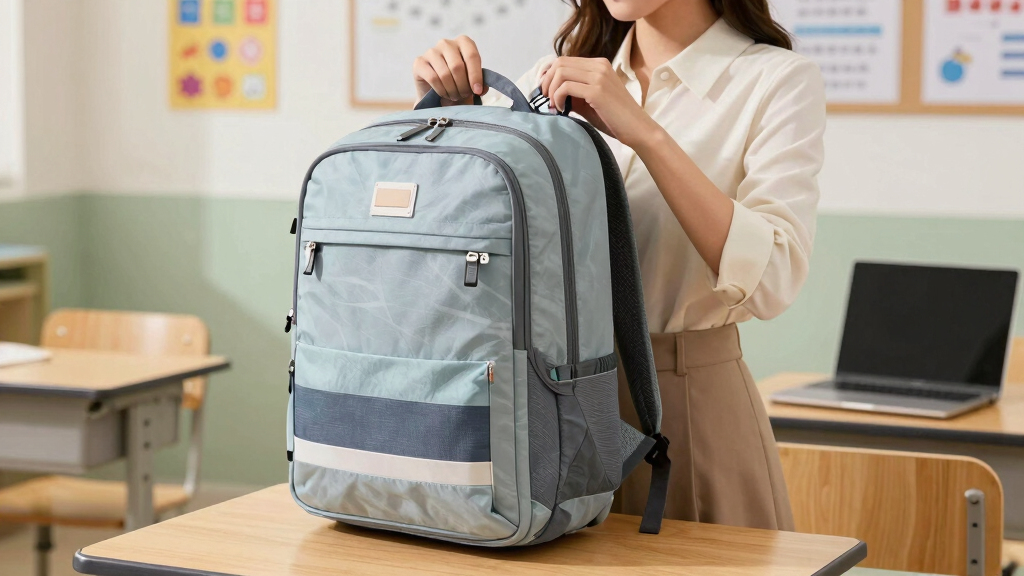

This guide helps students and parents choose an ergonomic backpack that supports healthy posture and comfort during daily use. It covers how to evaluate features, fit, and functionality to make an informed purchase that minimizes strain and enhances overall well-being. Designed for beginners, the process takes approximately 20 to 30 minutes.
Open a free Amazon Business account
Business pricing, bulk buying and tax-exempt orders.
Create a free accountAs an affiliate, we earn on qualifying purchases.

JanSport Laptop Backpack – Black
- ✔ Compartments: 2
- ✔ Laptop Sleeve Size: 15 inches
- ✔ Strap Type: Adjustable

JanSport Laptop Backpack – 2 Compartments, 15” Laptop Sleeve, Ergonomic Shoulder Straps, Navy
- ✔ Compartments: 2
- ✔ Laptop Sleeve Size: 15 inches
- ✔ Strap Type: Adjustable

JanSport Cool Backpack with 15-inch Laptop Sleeve – Black
- ✔ Laptop Sleeve: 15-inch
- ✔ Compartments: 2
- ✔ Color: Black
Difficulty: Beginner | Time: 20-30 minutes
What You’ll Need
Tools & Materials:
- Measuring tape or ruler
- Access to a backpack store or online shopping platform
Knowledge:
- Basic understanding of ergonomic principles and proper posture
Have the student’s height and typical load weight in mind. Know the student’s daily backpack usage needs, such as carrying books, laptops, or supplies.

JanSport Laptop Backpack - Computer Bag with 2 Compartments, Ergonomic Shoulder Straps, 15” Laptop Sleeve, Haul Handle - Black
- Trusted Brand with Lifetime Warranty: Includes lifetime repair or replacement
- Iconic Ergonomic Design: Features S-curve shoulder straps and padded back
- Durable and Stylish Materials: Made with tough fabric, zippers, and straps
As an affiliate, we earn on qualifying purchases.
JanSport Laptop Backpack – Black
<p>This model stands out for its durable construction, classic design, and ergonomic shoulder straps that reduce strain during long carries. Compared with the Navy version, it offers fewer compartments but excels in simplicity and reliability. The padded back panel and ergonomic S-curve straps help distribute weight evenly, making it suitable for students who prefer a straightforward, dependable pack without extra frills.</p>
Pros:
- Durable fabric with high-quality zippers
- Ergonomic S-curve shoulder straps for comfort
- Two spacious compartments for organization
Cons:
- Limited color options
- No water resistance feature
- Design may be too plain for some tastes
Best for: Students seeking a reliable, minimalist backpack that prioritizes comfort and durability.
Not ideal for: Those who need extensive organization or extra water resistance features.
Bottom line: A durable, straightforward backpack that offers reliable ergonomic support for everyday use.
“A durable, straightforward backpack that offers reliable ergonomic support for everyday use.”
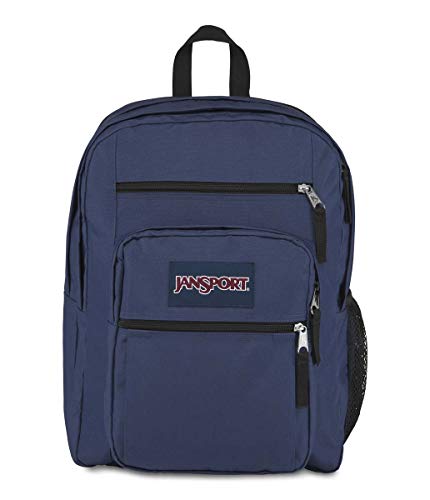
JanSport Laptop Backpack - Computer Bag with 2 Compartments, Ergonomic Shoulder Straps, 15” Laptop Sleeve, Haul Handle - Navy
- Trusted Brand with Lifetime Warranty: Includes lifetime warranty for repairs or replacements
- Iconic Design with Comfort Features: Ergonomic S-curve shoulder straps and padded back panel
- Durable and Stylish Materials: Made with durable fabric, zippers, and straps in various colors
As an affiliate, we earn on qualifying purchases.
JanSport Laptop Backpack – 2 Compartments, 15” Laptop Sleeve, Ergonomic Shoulder Straps, Navy
<p>This pick makes the most sense for students who need extra organization—multiple compartments, pockets, and a water bottle holder. Its ergonomic straps and durable fabric ensure comfort during long days on campus, while the trusted brand offers peace of mind with a lifetime warranty. Compared with the Black model, the Navy version adds more storage options but can feel bulkier, which might be a downside for those who prefer a lighter, minimalist pack.</p>
Pros:
- Multiple compartments and pockets
- Ergonomic S-curve straps for comfort
- Trusted brand with lifetime warranty
- Includes water bottle holder
Cons:
- Can be bulky for minimalists
- Limited color options
Best for: Students who prioritize storage, organization, and comfort during active days.
Not ideal for: Minimalists or students looking for a lightweight, sleek backpack.
Bottom line: A highly organized, durable backpack that balances ergonomic comfort with ample storage for busy students.
“A highly organized, durable backpack that balances ergonomic comfort with ample storage for busy students.”

JanSport Cool Backpack, with 15-inch Laptop Sleeve - Large Computer Bag Rucksack with 2 Compartments, Ergonomic Straps, Black
- Trusted Brand with Lifetime Warranty: Includes lifetime repair or replacement
- Iconic Design with Leather Bottom: Signature leather accents and ergonomic features
- Durable and Stylish Materials: Made with tough fabric, zippers, and straps
As an affiliate, we earn on qualifying purchases.
JanSport Cool Backpack with 15-inch Laptop Sleeve – Black
<p>This backpack emphasizes rugged durability with quality fabric and zippers, making it suitable for outdoor activities or daily commuting. Its ergonomic straps and padded back panel enhance comfort, and the multiple compartments help keep belongings organized. Compared with the other two, it offers a more versatile design that can handle varied environments but lacks some of the extra pockets or water resistance features found in the Navy model.</p>
Pros:
- Durable fabric and quality zippers
- Ergonomic straps and padded back
- Multiple compartments for organization
Cons:
- Limited color options
- No specific weight info provided
Best for: Students who need a tough, versatile backpack for both school and outdoor adventures.
Not ideal for: Students seeking a minimalist or ultra-lightweight pack with fewer features.
Bottom line: A rugged, ergonomic backpack ideal for students who want durability and comfort in diverse settings.
“A rugged, ergonomic backpack ideal for students who want durability and comfort in diverse settings.”
As an Amazon Associate we earn from qualifying purchases.
Before You Start
Ensure the student will use the backpack regularly and that you are aware of any specific needs, such as back issues. Check for current discomfort or pain that might influence your choice.
Step-by-Step Instructions
Step 1: Assess the student’s body measurements
Measure the student’s torso length from the C7 vertebra (base of the neck) to the iliac crest (top of the hip bones) using a measuring tape. Record this measurement to help determine backpack size.
Tip: Use a mirror or ask someone to help ensure accurate measurement. Write down the measurement for reference.
Check: You have an accurate torso length measurement, which will guide the backpack size selection.
Step 2: Identify backpacks with ergonomic features
Look for backpacks that have padded, adjustable shoulder straps, a padded back panel, a waist or sternum strap, and multiple compartments for weight distribution. Check product descriptions or physically examine the backpacks for these features.
Tip: Prioritize backpacks with adjustable straps that can be customized to the student’s body size and ergonomic design elements that promote even weight distribution.
Check: Selected backpacks have clearly visible ergonomic features like padded straps and adjustable fittings.
Step 3: Test the fit of the backpack
Try the backpack on the student. Adjust the straps so the pack sits evenly on the back, with the bottom of the bag resting in the middle of the lower back. The top of the pack should sit at or just below shoulder level.
Tip: Ensure the backpack feels snug but not tight. The straps should not cause discomfort or leave marks after adjustment.
Check: The backpack fits comfortably with straps adjusted properly, and it stays close to the back without sagging or shifting excessively.
Step 4: Load the backpack with typical contents
Fill the backpack with items the student usually carries, such as textbooks, notebooks, or a laptop, to simulate real use. Check how the weight distributes and how it affects fit and comfort.
Tip: Ensure the total weight does not exceed 10-15% of the student’s body weight for optimal ergonomics.
Check: The backpack holds the typical load comfortably, with no excessive shifting or tilting during movement.
Step 5: Evaluate mobility and comfort during movement
Have the student walk around with the loaded backpack, observing how it sits and moves. Ensure the straps stay comfortable, and the pack does not cause imbalance or discomfort.
Tip: Look for signs of strain, such as shoulder pain or uneven weight distribution. Adjust straps if necessary and reassess fit.
Check: The student feels comfortable walking and moving with the backpack, with no signs of pain or instability.
Common Mistakes to Avoid
- Choosing a backpack that’s too large or too small — Measure the torso length and select a backpack size that matches the measurement to ensure proper fit.
- Not adjusting straps properly — Always adjust shoulder, sternum, and waist straps for a snug fit, ensuring weight is evenly distributed.
- Overloading the backpack beyond recommended weight — Limit load to 10-15% of body weight and use multiple compartments to distribute weight.
Troubleshooting
Problem: Backpack causes shoulder pain or discomfort
Solution: Re-adjust shoulder straps for a snug fit and ensure weight is evenly distributed. Consider a model with better padding or support.
Problem: Backpack shifts or tilts during movement
Solution: Check strap adjustments, tighten waist/sternum straps, and confirm the load is balanced inside the pack.
Problem: Student experiences back pain after use
Solution: Reduce the load, ensure proper fit, and consider a backpack with better lumbar support or ergonomic design.
What Success Looks Like
The backpack fits snugly against the back, with straps comfortably adjusted; the load is evenly distributed with minimal shifting; the student can walk and move comfortably without pain or imbalance.
Next Steps
Regularly check the backpack fit and load as the student’s needs change. Replace or adjust the backpack if discomfort occurs. Educate the student on proper carrying techniques to maintain ergonomic benefits.
Frequently Asked Questions
How heavy should a student’s backpack be?
The total weight should not exceed 10-15% of the student’s body weight to prevent strain and injury.
What features make a backpack ergonomic?
Look for padded adjustable straps, a padded back panel, multiple compartments for weight distribution, and supportive waist or sternum straps.
How often should a student replace their backpack?
Replace when the backpack shows signs of wear, no longer fits well, or causes discomfort, typically every 1-2 years depending on use.
Can I modify my current backpack to make it more ergonomic?
Adding padding or adjusting straps can help, but investing in a purpose-designed ergonomic backpack is usually more effective for comfort and support.
Grilling season Picks
grills
As an affiliate, we earn on qualifying purchases.