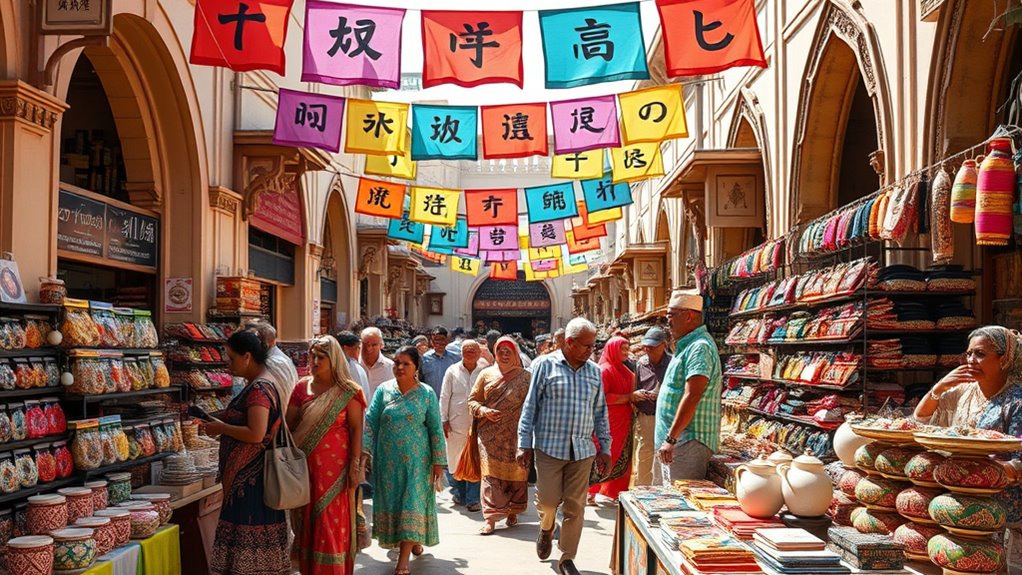

When designing for a global market, you should consider cultural differences in color symbolism, language nuances, and visual interpretations. Understanding how specific colors evoke different emotions and prevent offense helps create respectful visuals. Adapting content to local idioms, measurement units, and communication styles makes your product more relatable. Respecting cultural norms around privacy and interaction builds trust. Exploring these considerations further ensures your design resonates across diverse audiences and connects more authentically worldwide.

Get the little things that make your day delivered free — and shop member deals
- Fast, free delivery on millions of items
- Access to Prime Big Deal Days deals on October 6–7
- Prime Video, Amazon Music and more included
Key Takeaways
- Understand and incorporate culturally specific color symbolism to avoid misinterpretation or offense.
- Localize language, idioms, and visuals to ensure content feels natural and resonant with target audiences.
- Adapt icons, imagery, and gestures based on cultural perceptions to maintain clarity and respect.
- Respect cultural norms around communication style, privacy, and interaction preferences for better engagement.
- Conduct thorough research on cultural differences to design inclusive, respectful, and globally effective products.
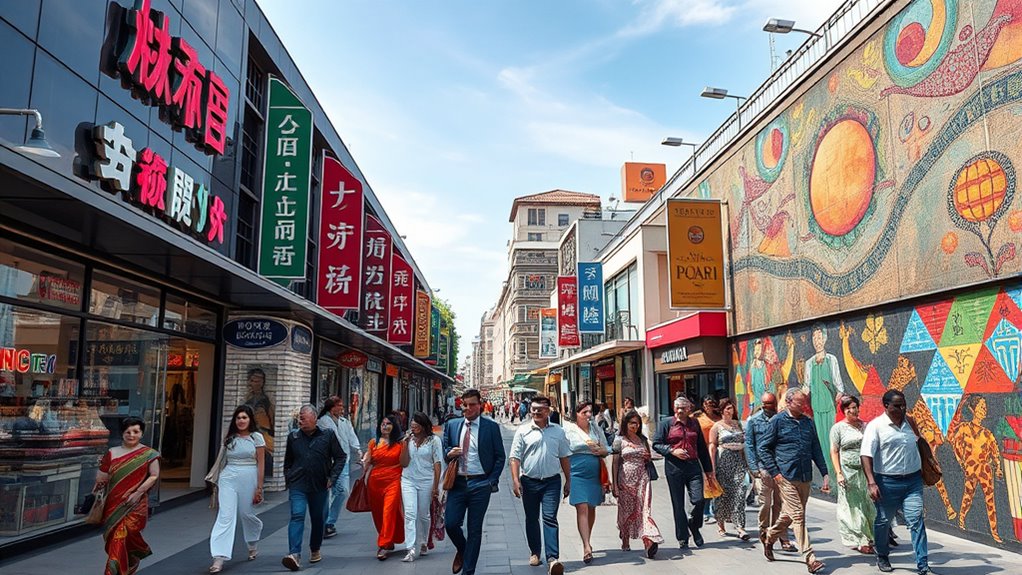
When designing for diverse audiences, understanding cultural differences is vital to create intuitive and respectful experiences. One of the most impactful aspects to consider is color symbolism. Colors can evoke powerful emotions and hold different meanings across cultures. For example, while white often symbolizes purity and peace in Western cultures, it can represent mourning or loss in some Asian countries. Similarly, red might signify luck and prosperity in China but could be associated with danger or warning elsewhere. Recognizing these nuances helps you choose color palettes that resonate positively with your target audience, avoiding unintended offense or misinterpretation. It’s not enough to simply pick colors based on your preferences; you need to research their cultural significance thoroughly.
Understanding cultural color meanings helps create respectful, resonant designs across diverse audiences.
Alongside color symbolism, language localization plays a vital role in cross-cultural design. It’s more than just translating words; it involves adapting content to fit the language, idioms, and communication styles of different audiences. When you localize language, you ensure that your message feels natural and accessible, rather than awkward or confusing. This process requires a deep understanding of the cultural context behind words and phrases, so you avoid literal translations that might miss the mark or even offend. Incorporating local dialects and colloquialisms can make your content feel more authentic and engaging, encouraging users to trust and connect with your brand.
You should also pay attention to how layout, icons, and imagery are perceived. Visual elements can carry different connotations and cultural associations. For example, gestures or symbols that are positive in one culture might be offensive or meaningless in another. When designing interfaces, consider how users from various backgrounds will interpret these visuals. This attentiveness ensures your design communicates effectively across borders.
Additionally, you need to be mindful of cultural norms around privacy, user interaction, and hierarchy. Some cultures prefer more formal communication, while others favor casual tones. Recognizing these preferences influences how you structure your content and engage users. You might also need to adapt features like date formats, measurement units, and currency symbols to match local expectations.
Ultimately, successful cross-cultural design hinges on your willingness to understand and respect cultural differences. By paying attention to color symbolism, practicing thoughtful language localization, and customizing visual and functional elements, you create products that are not only functional but also culturally sensitive. This approach fosters genuine connections and builds trust in a global marketplace, ensuring your design appeals to a broader audience while honoring their unique identities.
Frequently Asked Questions
How Do Cultural Taboos Influence Product Packaging?
Cultural taboos markedly influence your product packaging by shaping how consumers perceive your brand. You need to be aware of cultural sensitivities to avoid offending potential buyers, which can harm your reputation and sales. By respecting these taboos, you show cultural awareness, fostering positive consumer perceptions. Adjusting colors, symbols, and language accordingly helps you create packaging that resonates well across different markets, encouraging trust and loyalty from diverse audiences.
What Are Common Pitfalls in Translating Visual Symbols?
A picture is worth a thousand words, but misinterpretation can lead to confusion. When translating visual symbols, beware of common pitfalls like symbol misinterpretation and font culturalization. You might assume a symbol means the same everywhere, but it could carry different connotations or offend. Always research cultural contexts thoroughly and test your visuals with local users to avoid costly misunderstandings.
How Can Brands Avoid Cultural Appropriation in Design?
To avoid cultural appropriation in your design, prioritize cultural sensitivity and authentic representation. Research the cultural significance of symbols, colors, and themes before incorporating them. Engage with cultural experts or community members to guarantee respectful use. Avoid stereotypes and tokenism by thoughtfully reflecting the culture’s true essence. This approach helps you create respectful, meaningful designs that honor diversity without exploiting or misrepresenting any culture.
What Role Does Local Folklore Play in Visual Branding?
You leverage local folklore by integrating folklore symbolism and storytelling traditions into your visual branding. This approach creates authentic connections with the community, resonating deeply with your audience. By respecting and accurately representing cultural stories, you build trust and foster positive brand associations. Use symbols and narratives thoughtfully, ensuring they honor the folklore’s origins, helping your brand stand out while showing cultural appreciation and sensitivity.
How Do Regional Color Perceptions Impact Marketing Strategies?
Regional color perceptions greatly influence your marketing strategies through color symbolism and regional palettes. You need to understand that colors evoke different emotions and associations depending on the location. For example, red signifies luck in China but danger in Western countries. By tailoring your color choices to regional palettes, you connect more effectively with your audience, ensuring your branding resonates culturally and boosts engagement.
Conclusion
In a global market, understanding cultural differences shapes your design’s success. Imagine launching a website that resonates worldwide—by tailoring colors, symbols, and language to each culture, you create a welcoming experience. For example, a company customizing its app for Japan might incorporate respectful gestures or color choices that align with local customs. By embracing these cross-cultural nuances, you guarantee your design connects authentically, fostering trust and loyalty across diverse audiences.
NFL season / tailgating Picks
team gear
As an affiliate, we earn on qualifying purchases.