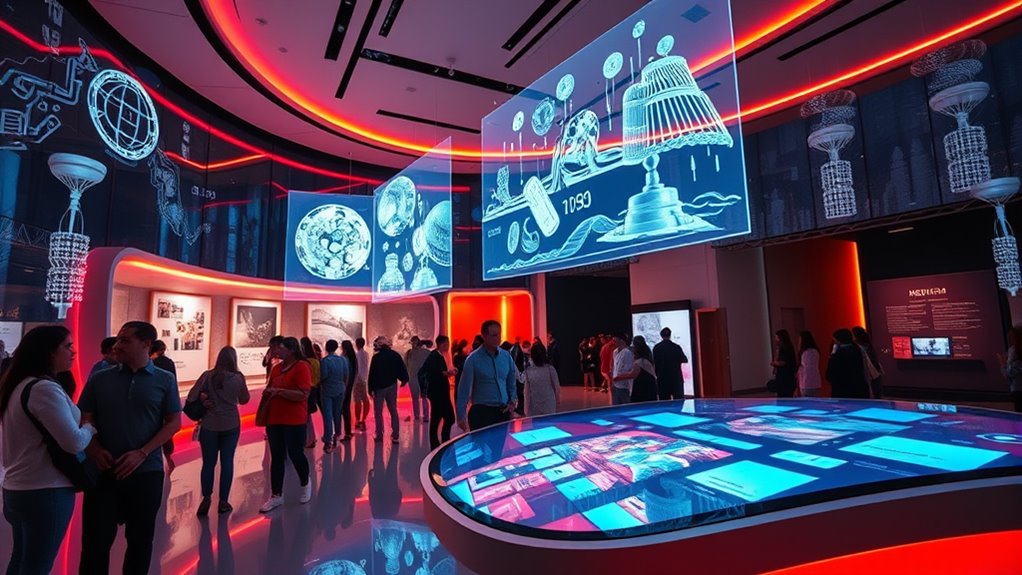

Digital transformation and AI are revolutionizing how you experience culture by offering immersive virtual exhibitions and dynamic storytelling. These innovations break down physical barriers, making art, history, and heritage more accessible from anywhere. Personalized content and real-time interactions deepen engagement, while interactive displays turn passive viewing into active participation. As AI continues to evolve, it promises even richer, more tailored cultural journeys, revealing exciting opportunities for you to explore more deeply as you investigate further.

Get the little things that make your day delivered free with Prime
- Fast, free delivery on millions of items
- Prime Video, Amazon Music and more included
- Member-only deals all year
Key Takeaways
- AI-driven virtual exhibitions enhance accessibility, allowing global audiences to explore art, history, and culture remotely.
- Digital transformation enables immersive storytelling with multimedia elements, creating engaging and memorable cultural narratives.
- Personalization through AI analyzes user data to tailor content, increasing engagement and relevance for diverse visitors.
- Real-time AI interactions, such as avatars and virtual tours, foster deeper emotional connections with cultural content.
- Virtual platforms eliminate physical barriers, broadening participation and redefining how audiences experience cultural heritage.
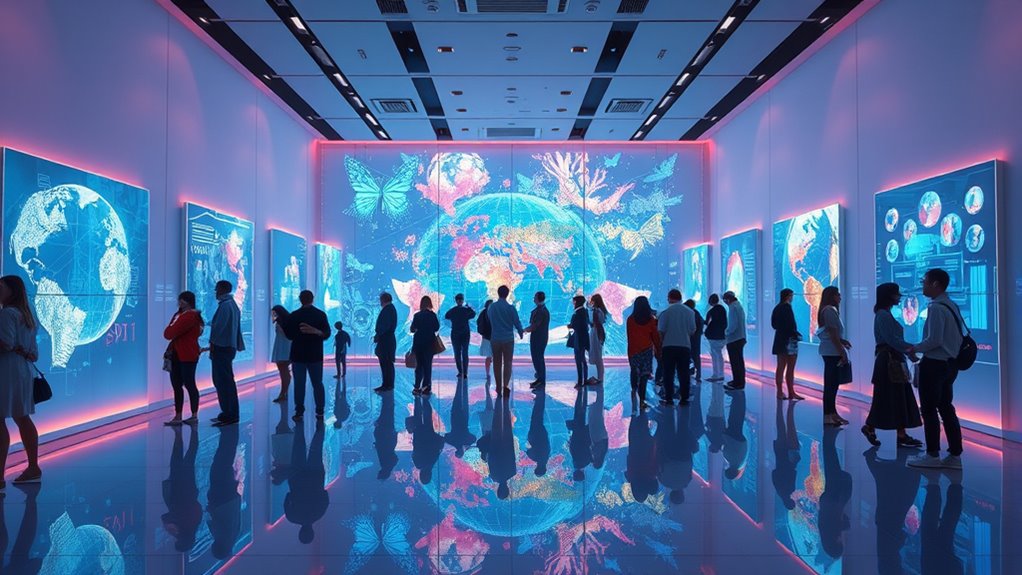
Digital transformation is reshaping how businesses operate, and at the heart of this shift is artificial intelligence (AI). In the cultural sector, this evolution opens exciting opportunities for creating immersive, engaging experiences that were once impossible. One of the most notable innovations is the rise of virtual exhibitions. These digital showcases allow you to explore art, history, and culture from the comfort of your home, breaking down geographical and physical barriers. With AI-powered virtual exhibitions, you can navigate interactive displays, access personalized content, and even receive tailored recommendations based on your interests. This makes cultural experiences more accessible and engaging, inviting you to immerse yourself deeper into exhibitions without the constraints of traditional venues.
AI storytelling plays a pivotal role in transforming how cultures and histories are presented. Instead of static exhibits or simple descriptions, AI enables dynamic narratives that adapt to your preferences. When you engage with AI storytelling, you’re not just passive observer but active participant. The technology can craft personalized stories about artworks or historical events, incorporating multimedia elements such as audio, video, and interactive visuals. This layered storytelling approach breathes new life into cultural content, making it more memorable and meaningful. It also allows institutions to reach diverse audiences, catering to different learning styles and backgrounds.
As you explore virtual exhibitions enhanced with AI storytelling, you’ll notice how seamlessly technology bridges the gap between the past and present. AI can analyze vast amounts of data to present nuanced insights, creating a rich, layered narrative that deepens your understanding. For example, in a virtual museum, AI might tailor the experience based on your browsing history or previous interactions, highlighting artifacts or themes you’re most interested in. This personalization transforms the traditional museum visit into a more engaging, interactive journey. Additionally, incorporating organic and natural juices into the experience can promote better health and hydration during long virtual exploration sessions.
Furthermore, AI-driven virtual exhibitions can simulate real-time interactions, bringing a sense of immediacy and intimacy to cultural exploration. You might have the opportunity to ask questions, receive instant responses, or even participate in virtual guided tours led by AI-powered avatars. This level of interaction enhances your connection with cultural content, making it feel more alive and relevant. Overall, AI storytelling and virtual exhibitions are revolutionizing how you experience art, history, and culture—making these experiences more immersive, personalized, and accessible. As you continue to embrace digital transformation, these innovations will redefine cultural engagement for generations to come.
virtual reality art museum headset
As an affiliate, we earn on qualifying purchases.
As an affiliate, we earn on qualifying purchases.
Frequently Asked Questions
How Does AI Personalize Cultural Experiences Across Diverse Audiences?
AI personalizes cultural experiences by analyzing your preferences through advanced algorithms. It uses personalization strategies to tailor content, exhibits, and interactive elements to match your interests. This enhances audience engagement by making interactions more relevant and immersive. As a result, you receive customized recommendations and experiences that resonate with your unique tastes, encouraging deeper connection and fostering a more meaningful cultural journey customized just for you.
What Are the Ethical Considerations in Ai-Driven Cultural Content?
Imagine walking through a vibrant museum where every exhibit feels tailored just for you; now, consider the ethical concerns behind this experience. You must address privacy concerns, ensuring personal data isn’t misused or exposed. Bias mitigation is essential to prevent skewed narratives or stereotypes from shaping cultural content. By actively managing these issues, you respect diverse perspectives, fostering trust and ensuring AI enriches cultural experiences ethically and inclusively.
How Can Small Institutions Implement Digital Transformation Effectively?
You can implement digital transformation effectively by focusing on improving digital literacy among your staff. Invest in targeted staff training to make certain everyone understands new technologies and tools. Start small with pilot projects, gather feedback, and gradually expand. By fostering a culture of continuous learning and embracing change, your institution becomes more adaptable, guaranteeing a smoother transition into digital initiatives that enhance your cultural offerings and audience engagement.
What Role Does Virtual Reality Play in Cultural Preservation?
Virtual reality acts as a time machine for you, transporting you into virtual heritage sites and immersive exhibitions that preserve culture beyond physical boundaries. It allows you to walk through ancient ruins or witness traditional ceremonies from anywhere. This technology breathes new life into cultural preservation, making history vivid and accessible. With VR, you become a custodian of heritage, ensuring these stories endure and inspire future generations.
How Is AI Impacting Traditional Cultural Storytelling Methods?
AI is transforming traditional cultural storytelling by enabling more immersive and personalized experiences, but you need to consider AI ethics to ensure respectful and accurate representations. It can help preserve cultural authenticity by digitizing and sharing stories globally. However, you must remain vigilant about avoiding cultural appropriation or distortion, ensuring that AI tools support genuine storytelling while respecting the origins and significance of each tradition.
AI-powered virtual tour platform
As an affiliate, we earn on qualifying purchases.
As an affiliate, we earn on qualifying purchases.
Conclusion
As you embrace digital transformation and AI, you reshape cultural experiences in exciting ways. Imagine a museum that uses AI to personalize tours, making each visitor’s journey unique and immersive. This innovation deepens engagement and broadens access to art and history. By harnessing these technologies, you can create dynamic, inclusive cultural spaces that inspire curiosity and learning, proving that the future of culture is vibrant, interactive, and driven by your imagination and technological advances.
interactive digital storytelling device
As an affiliate, we earn on qualifying purchases.
As an affiliate, we earn on qualifying purchases.
immersive virtual exhibition software
As an affiliate, we earn on qualifying purchases.
As an affiliate, we earn on qualifying purchases.
Fall Picks
fall essentials
As an affiliate, we earn on qualifying purchases.