
As populations age, you’ll notice major cultural shifts that impact family roles, traditions, and intergenerational bonds. Longer lifespans and smaller families challenge traditional notions of respect and caregiving, prompting society to rethink how elders are valued. Technology helps bridge gaps, allowing elders to share stories and maintain cultural ties across distances. If you want to understand how these changes reshape society and family life, keep exploring these evolving dynamics.

Get the little things that make your day delivered free — and shop member deals
- Fast, free delivery on millions of items
- Access to Prime Big Deal Days deals on October 6–7
- Prime Video, Amazon Music and more included
Key Takeaways
- Aging populations strengthen elders’ roles as custodians of cultural traditions and stories.
- Growing older demographics challenge traditional family structures and intergenerational relationships.
- Societies adapt cultural practices to modern contexts, blending tradition with contemporary influences.
- Digital technology facilitates intergenerational cultural transmission across distances.
- Younger generations reinterpret and reshape cultural identity amid demographic and societal changes.
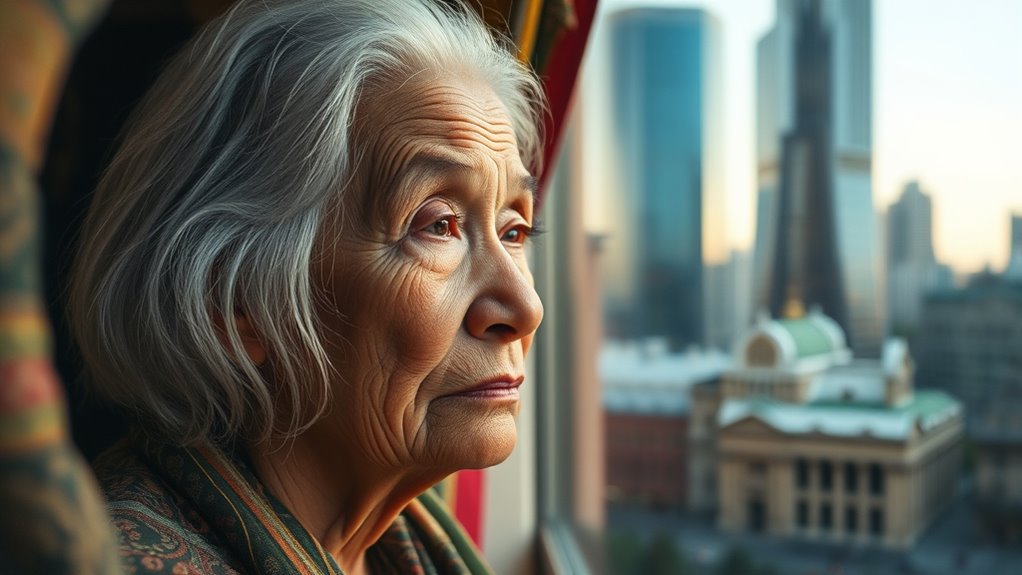
As populations around the world grow older, societies are experiencing significant cultural shifts. These changes profoundly affect how different generations interact and how cultural identity is maintained and transformed. When you consider intergenerational relationships, you notice that the dynamics between the young and the old are evolving. Older adults often hold the key to cultural traditions, stories, and values, which they pass down to younger generations. However, with longer life spans and smaller family sizes, these relationships can become strained or less frequent. You might find that family bonds are more complex, balancing the need to care for aging relatives against the demands of modern life. This shift challenges traditional notions of respect and filial piety, prompting societies to rethink how they honor their elders and preserve cultural identity.
Aging populations reshape intergenerational bonds and challenge traditional cultural preservation methods.
In many cultures, the elderly have historically been the custodians of cultural heritage, serving as the living link to the past. Now, with aging populations, you see a tension emerge between maintaining these roles and adapting to new societal norms. For example, in some communities, elders are increasingly integrated into community activities, emphasizing shared experiences across generations. In others, younger people may distance themselves from traditional practices, influenced by globalization and digital connectivity. This creates a dynamic where cultural identity is both preserved and reshaped, as older generations endeavor to pass on their customs while younger ones adapt and reinterpret them through new lenses.
You might also notice that intergenerational relationships are becoming more diverse. In some cases, multigenerational households thrive, fostering daily exchanges of cultural knowledge and support. In others, geographic mobility means families are spread out, relying on technology to stay connected. These changes influence how cultural identity is experienced and expressed. You could find that elders play a crucial role in shaping a sense of belonging for their families, even from afar, by sharing stories, traditions, and values through digital means. Conversely, younger generations may develop hybrid identities, blending traditional cultural elements with contemporary influences, which can sometimes lead to tensions but also create new, vibrant expressions of culture.
Ultimately, as populations age, you’re witnessing a transformation in how societies handle intergenerational relationships and cultural identity. These shifts challenge old assumptions but also offer opportunities for deeper understanding and innovation. Embracing these changes can help guarantee that cultural heritage remains alive, relevant, and inclusive, fostering connections that bridge generations and enrich societal fabric. Additionally, technological advancements, such as digital communication, are playing an increasingly important role in maintaining cultural continuity across distances and generations.
As an affiliate, we earn on qualifying purchases.
Frequently Asked Questions
How Do Aging Populations Impact Global Economic Growth?
Aging populations slow down global economic growth because you’ll see more people retiring, which strains retirement planning and pension sustainability. When fewer workers support more retirees, economic productivity drops, and governments must allocate more resources to pensions and healthcare. You might notice slower innovation and reduced consumer spending. To adapt, you need to focus on policies that encourage longer workforce participation and improve pension systems, ensuring long-term economic stability.
What Are Innovative Healthcare Solutions for Elderly Care?
You can explore innovative healthcare solutions like robotic assistance and personalized medicine to improve elderly care. Robotic assistance helps with daily tasks, providing independence and safety, while personalized medicine tailors treatments to individual needs, enhancing effectiveness. These technologies reduce healthcare costs, improve quality of life, and guarantee seniors receive more precise, compassionate care. Embracing such solutions keeps elderly individuals healthier, happier, and more engaged in their communities.
How Do Cultural Shifts Influence Intergenerational Relationships?
Cultural shifts act like a river shaping intergenerational communication, often creating new currents that challenge traditional bonds. You might find yourself steering changing norms around family roles or technology use, which can either strengthen or weaken your cultural identity preservation. As these shifts unfold, they influence how generations connect and understand each other, making it essential for you to adapt while honoring your roots, ensuring meaningful relationships that stand the test of time.
What Policies Support Active Aging in Different Societies?
You can support active aging through policies that promote intergenerational equity and lifelong learning. Encourage programs that facilitate skill development for seniors, ensuring they stay engaged and valued in society. Implement community initiatives that foster intergenerational interactions, bridging gaps and sharing knowledge. By prioritizing these policies, you help create inclusive environments where older adults remain active, empowered, and connected, enriching both their lives and the broader community.
How Does Technology Adoption Differ Among Older Adults Worldwide?
You’ll notice that technology adoption among older adults varies worldwide due to differences in digital literacy and technology accessibility. In some regions, seniors embrace smartphones and online services, thanks to user-friendly designs and training programs. Elsewhere, limited internet access and low digital literacy slow adoption. You can help bridge this gap by promoting digital literacy initiatives and improving technology accessibility, ensuring older adults stay connected and engaged globally.
multigenerational household organizer
As an affiliate, we earn on qualifying purchases.
As an affiliate, we earn on qualifying purchases.
Conclusion
As you see, aging populations inevitably bring cultural shifts, challenging traditions and inspiring new perspectives. Remember, “The only constant in life is change,” and embracing these shifts can lead to growth and understanding. By adapting and valuing every stage of life, you help create a more inclusive society. So, face these changes with an open mind, knowing that age isn’t just a number, but a essential part of our shared human experience.
elderly care communication device
As an affiliate, we earn on qualifying purchases.
As an affiliate, we earn on qualifying purchases.
cultural storytelling app for seniors
As an affiliate, we earn on qualifying purchases.
As an affiliate, we earn on qualifying purchases.
Halloween Picks
halloween
As an affiliate, we earn on qualifying purchases.