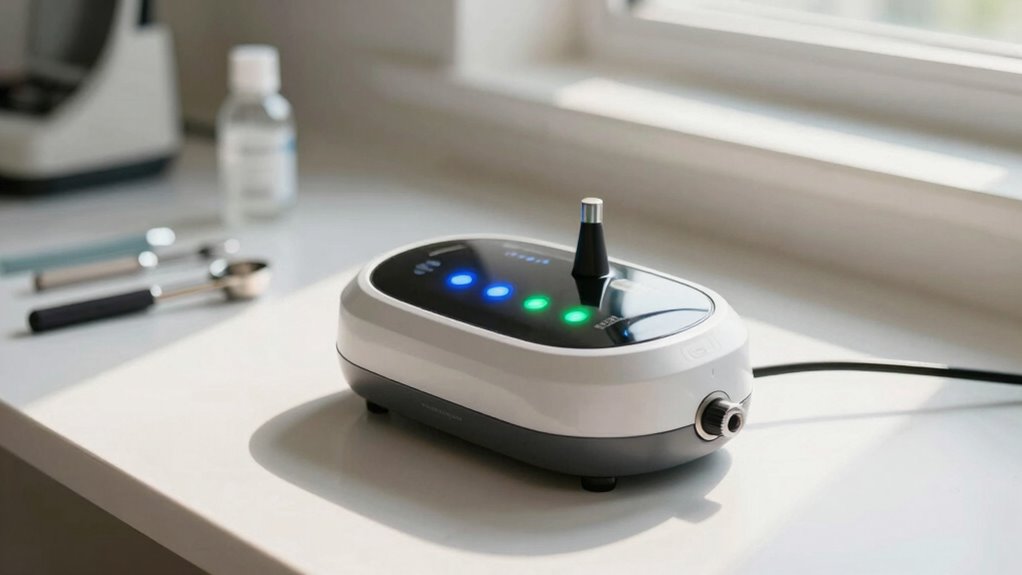

Before trying recovery tech at home, understand its purpose and set clear goals based on your needs, whether for pain relief, stress reduction, or injury recovery. Consult healthcare professionals to guarantee safe use, especially if you have existing health issues. Remember, these tools are supplements, not magic solutions—they work best with proper nutrition, rest, and a balanced approach. Keep in mind that adjusting and reassessing your tools can boost effectiveness; if you keep exploring, you’ll find even more ways to enhance your recovery journey.
Listen free for 30 days with Audible
Thousands of audiobooks and originals — cancel anytime.
As an affiliate, we earn on qualifying purchases.
Key Takeaways
- Consult healthcare professionals to ensure the recovery tech aligns with your specific health needs.
- Set realistic expectations, understanding that recovery devices support, but do not replace, comprehensive treatment.
- Incorporate mindfulness practices to enhance the effectiveness of recovery tools and promote mental resilience.
- Evaluate your goals and choose devices that suit your injury type, pain management, or stress reduction needs.
- Use recovery tech as part of a holistic plan including proper nutrition, rest, and physical activity for best results.
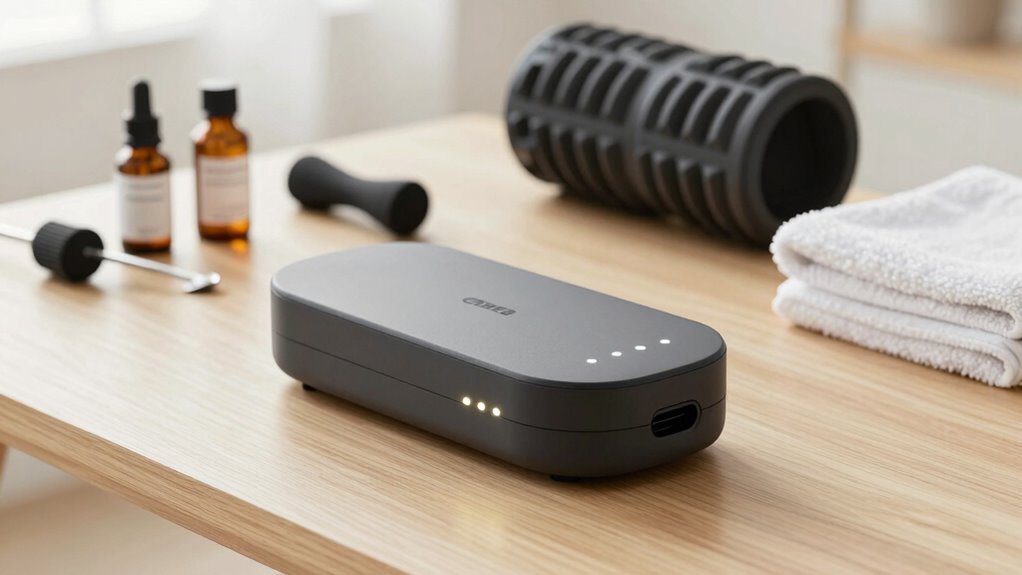
Alongside sleep, mindfulness techniques are increasingly integrated into recovery tech, offering tools that help manage stress and promote mental clarity. Devices that guide you through meditation, breathing exercises, or relaxation routines can be powerful additions to your recovery plan. However, it’s important to remember that these tools work best when you actively engage with them. Don’t rely solely on apps or gadgets to do the work for you; instead, view them as supplements to your overall approach. Incorporating mindfulness techniques can improve your mental resilience, reduce anxiety, and enhance your ability to stay committed to your healing journey.
Before trying recovery tech at home, you also need to evaluate your specific needs and goals. Are you recovering from an injury, managing chronic pain, or aiming to reduce stress? Different tools serve different purposes, so understanding what you want to achieve helps you choose the right devices. Additionally, consult with healthcare professionals when possible, especially if you have underlying health conditions. They can advise on safe and effective use of recovery technologies, ensuring you don’t inadvertently worsen your condition or create new issues.
Incorporating biodiversity and sustainable practices into your lifestyle can also positively impact your mental health and overall well-being, supporting your recovery process. Engaging with environmental sustainability can foster a sense of connection and purpose, which is beneficial for mental health. Moreover, adopting eco-friendly habits can contribute to a healthier environment, which in turn supports a more holistic approach to health and recovery. Understanding the importance of cultural traditions related to health can also provide valuable insights into natural healing practices that have been used for generations. Additionally, considering holistic health practices rooted in natural and cultural traditions can offer complementary benefits to recovery. Finally, setting realistic expectations is essential. Recovery tech can be incredibly helpful, but it’s not a magic solution. Consistency, patience, and a balanced approach—including proper nutrition, physical activity, and rest—are fundamental components of successful home recovery. By understanding how to integrate sleep optimization tools and mindfulness techniques thoughtfully, you set yourself up for a smoother, more effective healing journey.
As an affiliate, we earn on qualifying purchases.
Frequently Asked Questions
Are Recovery Tech Devices Safe for All Ages?
Recovery tech devices aren’t necessarily safe for all ages, especially children. Child safety is a major concern, as young users may not understand proper usage, leading to potential harm. Always check device regulations and age restrictions before use. Consult with a healthcare professional to confirm the device is appropriate for the user’s age and condition. Prioritize safety by following manufacturer guidelines and monitoring children closely if they use recovery tech.
How Often Should I Use Recovery Tech at Home?
You should use recovery tech devices for muscle relaxation and pain relief as recommended, typically 15-20 minutes per session. Using them too often may cause discomfort or skin irritation, so listen to your body. For best results, start with a few sessions weekly and gradually increase if needed. Always follow the device instructions and consult a professional if you’re unsure about the appropriate frequency for your specific needs.
Can Recovery Tech Replace Professional Therapy?
Like the wise owl from ancient tales, recovery tech offers helpful alternative therapies, but it can’t replace professional therapy. You should see a licensed expert for serious issues, as DIY solutions are best for minor discomforts. Recovery tech can complement your treatment, aiding your progress, yet it lacks the nuanced understanding a professional provides. Always consult a specialist for personalized advice, ensuring safe and effective recovery.
What Are the Common Side Effects of Recovery Tech?
You might experience common side effects like muscle relaxation and pain relief when using recovery tech. However, some users report mild discomfort, skin irritation, or temporary soreness after sessions. It’s crucial to follow instructions carefully and start with shorter sessions to minimize these effects. If you notice persistent pain or adverse reactions, stop use and consult a healthcare professional. Always prioritize safety to guarantee a beneficial recovery experience.
Do I Need Medical Approval Before Starting Recovery Tech?
Did you know that over 60% of users experience better results when consulting a healthcare professional first? You should definitely seek a medical consultation before starting recovery tech at home. This step guarantees you understand any potential risks and follow necessary safety precautions. A professional’s advice helps tailor the treatment to your needs, minimizing side effects and maximizing benefits, making your recovery process safer and more effective.
As an affiliate, we earn on qualifying purchases.
Conclusion
Now that you understand the basics of recovery tech at home, you’re probably eager to try it yourself. But remember, not every device is suitable for everyone, and some methods can be risky if misused. Before jumping in, do your research and consult with a professional. The right approach could open a new level of healing — but one wrong move might lead to setbacks. Are you ready to take that chance? The choice is yours.
As an affiliate, we earn on qualifying purchases.
sleep optimization sleep tracker
As an affiliate, we earn on qualifying purchases.
As an affiliate, we earn on qualifying purchases.
Fall Picks
fall essentials
As an affiliate, we earn on qualifying purchases.