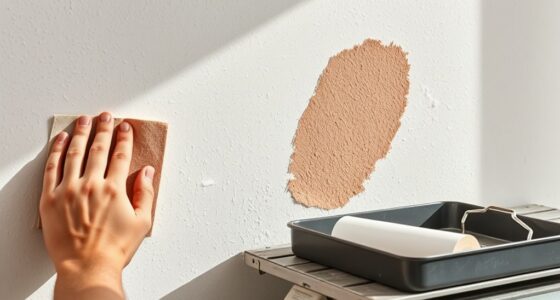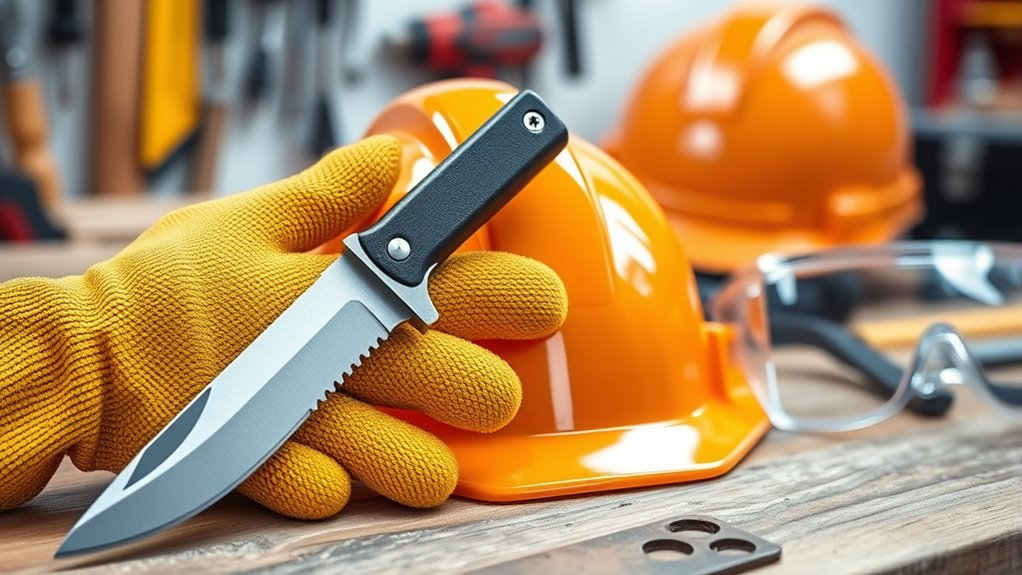
To protect yourself during DIY projects, always wear the appropriate safety gear like gloves, goggles, masks, and ear protection to shield against hazards. Use tools correctly, ensuring they’re in good condition and suited for the task, and handle them with care—never rush or force! Keep your workspace tidy and follow safety procedures to prevent accidents. By prioritizing safety measures, you’ll work confidently and successfully. Keep exploring to discover even more tips for a safer DIY experience.
Listen free for 30 days with Audible
Thousands of audiobooks and originals — cancel anytime.
As an affiliate, we earn on qualifying purchases.
Key Takeaways
- Always wear appropriate PPE such as gloves, goggles, masks, and ear protection for specific tasks.
- Ensure PPE fits properly, is in good condition, and is worn consistently during all work phases.
- Familiarize yourself with tool operation, check for damage, and handle tools carefully to prevent accidents.
- Maintain tools regularly, disconnect power before maintenance, and avoid using damaged or unsafe equipment.
- Keep the workspace clean, follow safety protocols, and stay informed about best practices to promote a safe environment.
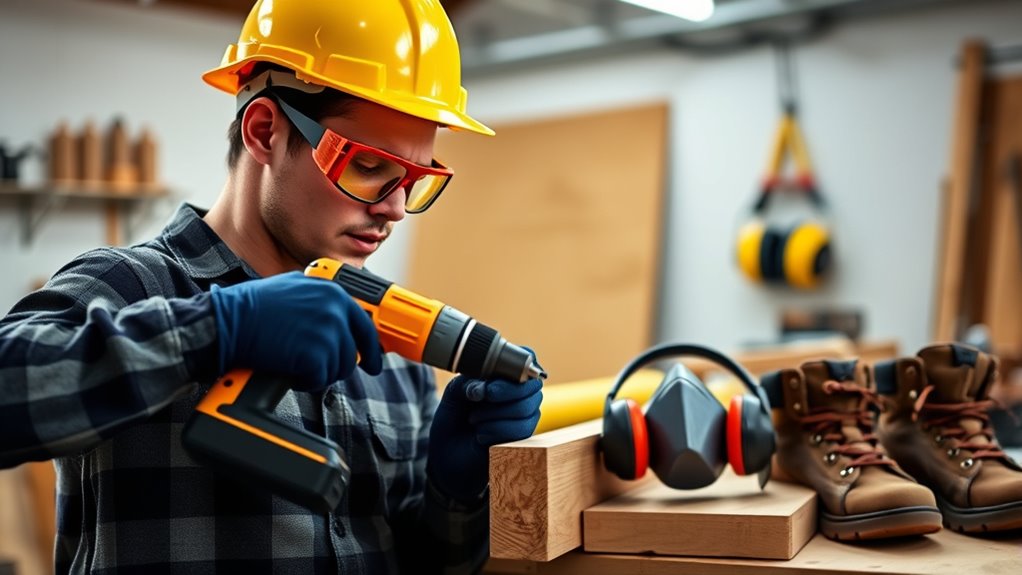
Have you ever wondered how to guarantee your DIY projects stay safe? The key lies in prioritizing your safety through proper use of personal protective equipment and practicing safe tool handling. When you’re working on any project, whether it’s assembling furniture, painting, or repairing, your first line of defense is always the right gear. Personal protective equipment, or PPE, includes items like gloves, safety goggles, ear protection, and masks. These aren’t just accessories; they’re essential to shield you from potential hazards like flying debris, chemical splashes, or loud noise. Wearing the right PPE minimizes your risk of injuries and keeps you focused on your work instead of worrying about possible accidents.
Safe tool handling is equally vital. Every tool has its purpose, and knowing how to use them correctly makes a huge difference. Before you start, familiarize yourself with each tool’s operation and safety features. For example, when using power tools, always check that they are in good condition, with no frayed cords or loose parts. Maintain a firm grip, and use both hands when necessary to keep control. Never rush or force a tool; if something feels wrong, stop and assess the situation. Misusing tools or handling them carelessly can lead to slips, cuts, or even more severe injuries. Remember to keep blades sharp—dull blades require more force and are more prone to kickback or breakage, creating hazards. Also, always cut away from your body, and keep your workspace clean and uncluttered to avoid tripping or knocking things over.
Another aspect of safe tool handling involves understanding your limits. Don’t attempt tasks that are beyond your skill level or require specialized training. If a project involves complex or dangerous procedures, consider seeking guidance or hiring a professional. Additionally, always disconnect power tools from their power source when changing blades, bits, or performing maintenance. This simple step prevents accidental startups that could cause injuries. When using hand tools, like screwdrivers or hammers, ensure they are in good condition—handles should be intact, and heads should be secure. Using damaged tools increases the risk of accidents. Staying informed about safety standards and best practices can further help prevent incidents and promote a safer working environment.
Incorporating personal protective equipment and practicing safe tool handling isn’t just about following rules; it’s about respecting your own safety and making sure your project doesn’t turn into an injury. Proper gear and cautious handling empower you to work confidently, efficiently, and safely. When you treat safety as a priority, you’re more likely to enjoy the process and end up with results you’re proud of—without the pain or setbacks that come from neglecting these essential precautions.

FURWEY Safety Work Gloves,16Pairs Nitrile Micro Foam Coated,Seamless Knit,M
- Reliable grip in wet conditions: Microfoam nitrile coating on palms and fingers
- Breathable and comfortable: Seamless knit nylon shell with microfoam coating
- Ergonomic and flexible fit: 3D snug fit enhances fingertip sensitivity
As an affiliate, we earn on qualifying purchases.
As an affiliate, we earn on qualifying purchases.
Frequently Asked Questions
What Are the Most Essential Safety Tools for Home Repairs?
You need essential safety tools like safety goggles, gloves, and a dust mask to protect yourself during home repairs. Keep these tools organized in a sturdy tool storage to prevent accidents. Also, invest time in safety training to understand proper tool handling and safety practices. This way, you reduce risks, stay safe, and complete repairs efficiently, ensuring you’re well-prepared for any DIY project.
How Do I Choose the Right Protective Gear for Electrical Work?
When choosing protective gear for electrical work, you should prioritize insulation materials and protective clothing. Imagine you’re fixing an outlet and accidentally hit a live wire; wearing insulated gloves and flame-resistant clothing can prevent serious injury. Always select gear rated for electrical safety, ensuring it’s properly grounded and certified. This way, you protect yourself effectively and minimize risks during your DIY projects.
Are There Specific Safety Tips for Working With Power Tools?
When working with power tools, follow a safety checklist to prevent accidents. Always wear appropriate safety gear, like goggles and ear protection, and verify your tools are in good condition through regular tool maintenance. Keep your workspace clean and free of clutter, and double-check that all safety features are active before use. Stay alert, avoid distractions, and never force a tool beyond its limits to stay safe during your DIY projects.
How Often Should Safety Equipment Be Replaced or Maintained?
You should inspect your safety equipment before each use and follow the recommended inspection schedule in the replacement guidelines. Regularly maintaining your gear guarantees it stays effective, so replace items like gloves, masks, and eye protection as soon as you notice wear or damage. Typically, check your safety gear every few months or after heavy use, and replace it at least annually to ensure maximum protection during your DIY projects.
What Should I Do if I Get Injured While DIYING?
If you get injured while DIYing, act immediately by stopping your work and evaluating the injury. Follow first aid basics, such as cleaning wounds and applying pressure to stop bleeding. Report the injury according to your injury reporting procedures, and seek medical attention if necessary. Keep calm, document what happened, and learn from the experience to prevent future accidents. Your quick, responsible response keeps you safe and prepared.
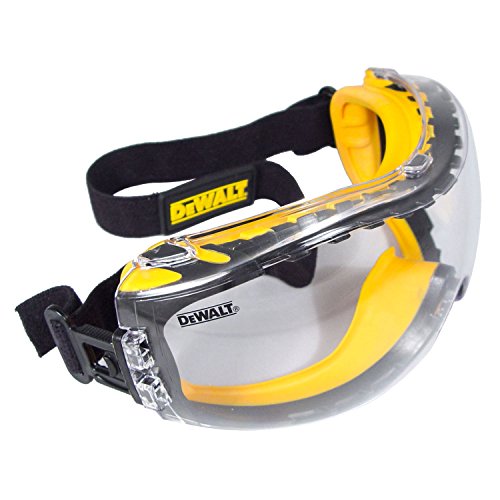
DEWALT DPG82-11 Concealer Clear Anti-Fog Dual Mold Safety Goggle, Clear Lens, 1 Pair
- Lens Coating: Hard coated for scratch resistance
- Anti-Fog Coating: Prevents fogging for clear vision
- Comfort Fit: Dual injected rubber conforms to face
As an affiliate, we earn on qualifying purchases.
As an affiliate, we earn on qualifying purchases.
Conclusion
By wearing the right gear and using the proper tools, you’re not just avoiding minor scrapes—you’re practically invincible! Think of your safety gear as a superhero’s armor, turning everyday DIY projects into your personal fortress. Skip it, and you risk turning a simple fix into a disaster movie. So gear up, stay alert, and remember: with the right tools, you could be unstoppable—well, at least until the toolbox runs out!

ProCase Hearing Protection Ear Muffs NRR 28dB, Noise Cancelling Headphones
- Hearing Protection Rating: NRR 28 dB, ANSI S3.19 certified
- Adjustable Headband: Fits most head sizes comfortably
- Foldable & Portable: Compact, lightweight for travel
As an affiliate, we earn on qualifying purchases.
As an affiliate, we earn on qualifying purchases.

AirGearPro G-500 Reusable Respirator Mask with A1P2 Filters | Anti-Dust Mask Ideal for Painting, Woodworking, Construction, Sanding, Spraying, Chemicals, DIY etc
- Protection Certification: CE certified for safety during various tasks
- Dual Filtration System: Filters vapours and particles effectively
- Reusable Design: Replaceable filters for extended use
As an affiliate, we earn on qualifying purchases.
As an affiliate, we earn on qualifying purchases.
College move-in / dorm season Picks
dorm essentials
As an affiliate, we earn on qualifying purchases.