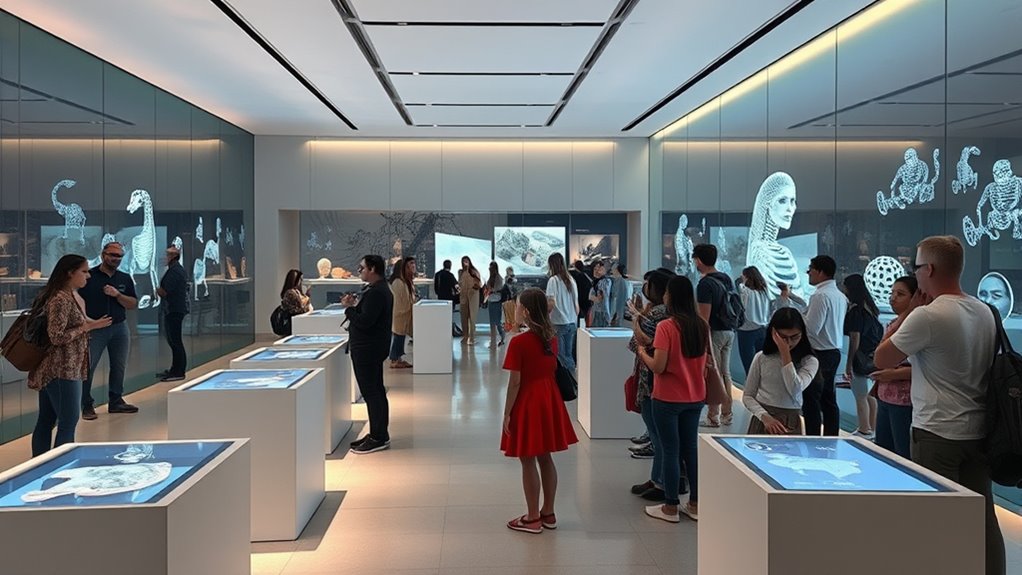

The future of museums is all about blending physical exhibits with innovative digital technology to boost engagement. You’ll experience immersive virtual reality, interactive screens, and augmented reality overlays that make learning more dynamic and personalized. These hybrid exhibits invite you to participate actively, explore new worlds, and connect with art, history, and science on a deeper level. Keep exploring, and you’ll discover how these innovations are transforming what museums can offer you.
Listen free for 30 days with Audible
Thousands of audiobooks and originals — cancel anytime.
As an affiliate, we earn on qualifying purchases.
Key Takeaways
- Museums will increasingly combine physical artifacts with digital and virtual experiences for immersive, hybrid exhibits.
- Interactive technologies like AR, VR, and multimedia will foster active visitor participation and personalized learning.
- Virtual and augmented reality will enable access to distant or inaccessible sites, enhancing engagement beyond physical boundaries.
- Future museums will integrate multi-sensory displays and high-tech features to create more realistic, captivating environments.
- The shift toward hybrid exhibits will make museums more accessible, engaging, and relevant to diverse, tech-savvy audiences.
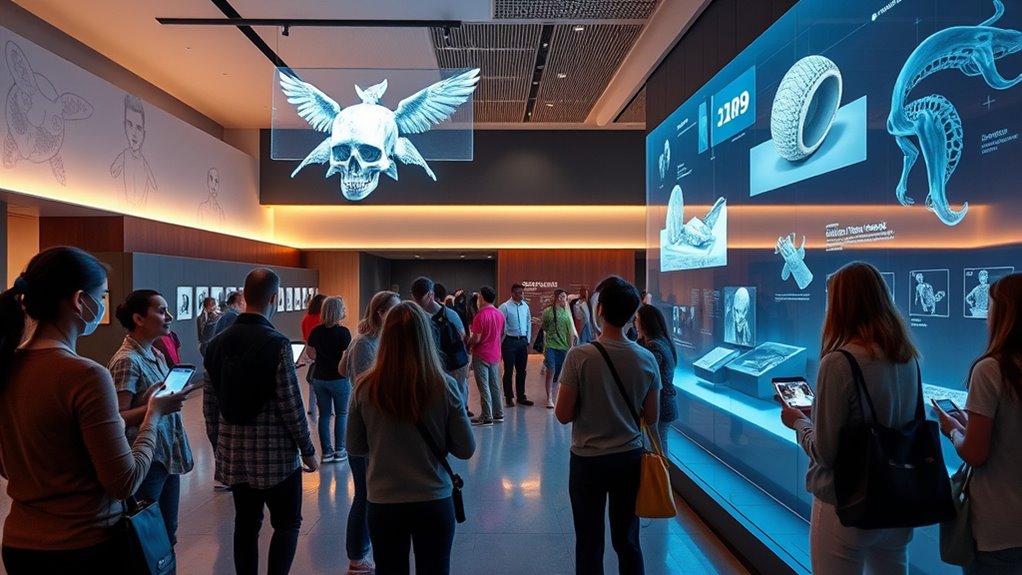
Have museums truly evolved in the way we imagine? Today, they’re no longer just static spaces filled with displays behind glass. Instead, they’re becoming dynamic environments where interactive technology plays a vital role. You can now engage with exhibits in ways that were once impossible, thanks to innovations like virtual reality. Imagine slipping on a headset and finding yourself walking through ancient ruins or exploring the depths of the ocean without leaving the gallery. Virtual reality takes you beyond the limits of physical space, immersing you in experiences that feel incredibly real. This technology not only makes exhibits more engaging but also accessible to a broader audience, including those who might not have the chance to travel or participate in traditional museum visits.
Museums now use virtual reality to create immersive, engaging, and accessible experiences beyond physical limits.
Interactive technology has transformed how you learn and connect with history, art, and science. Touch screens, augmented reality apps, and multimedia installations allow you to interact directly with the exhibits. Instead of passively observing, you become part of the story. For example, you might manipulate a digital reconstruction of a fossil or explore the layers of a painting through an augmented reality overlay. These tools turn a passive viewing experience into an active exploration, making learning more memorable and personalized. This shift towards engagement helps museums fulfill their educational mission more effectively, capturing the curiosity of visitors of all ages.
Virtual reality, in particular, offers opportunities to experience places and moments that are otherwise unreachable. You could virtually attend an archaeological dig, walk through a historical event, or explore a distant planet—all from within the museum. This kind of immersive experience adds a new dimension to understanding complex topics, fostering empathy and deeper knowledge. It also encourages visitors to spend more time exploring, rather than just glancing at exhibits. Museums are increasingly investing in VR setups and other interactive tech to create these compelling, multi-sensory encounters.
The future of museums hinges on blending physical artifacts with cutting-edge digital experiences. Interactive technology and virtual reality are at the forefront, making exhibitions more engaging, educational, and accessible. As you navigate these spaces, you’ll find yourself not just observing but participating—learning through experience rather than just observation. This evolution makes museums more relevant in a digital age, appealing to tech-savvy generations eager for innovative ways to explore and connect with the world around them. In embracing these advancements, museums are transforming from traditional repositories into vibrant hubs of discovery and interaction. Incorporating high refresh rates and other advanced display features can further enhance the realism and immersion of virtual exhibits, creating even more compelling experiences for visitors.

Abacus Brands Virtual Reality Animals – STEM Science Kit, Kids Age 8-12
- Interactive Virtual Reality Content: Over 96 pages of immersive animal experiences
- Realistic Animal Encounters: Ride elephants, meet gorillas, explore mammals to arachnids
- Complete Gift Set: Includes DK book, scratch art set, and VR goggles
As an affiliate, we earn on qualifying purchases.
As an affiliate, we earn on qualifying purchases.
Frequently Asked Questions
How Will Hybrid Exhibits Impact Museum Staff Roles?
Hybrid exhibits will transform your staff roles by requiring ongoing staff training in digital tools and virtual engagement strategies. You’ll find your roles evolving from traditional curators and guides to tech-savvy facilitators and digital storytellers. This shift allows you to enhance visitor experiences through interactive, accessible exhibits, but also demands adaptability and continuous learning to keep up with evolving technologies and audience expectations.
What Technologies Are Essential for Creating Immersive Hybrid Exhibits?
You’ll need Virtual Reality and Interactive Displays to create immersive hybrid exhibits. VR allows visitors to explore virtual environments, bringing artifacts or historical sites to life. Interactive Displays engage visitors directly, offering hands-on experiences and personalized content. These technologies work together to blend physical and digital elements, making exhibits more engaging and educational. By integrating VR and Interactive Displays, you can transform your museum into a dynamic, fascinating space that appeals to diverse audiences.
How Do Hybrid Exhibits Influence Visitor Learning Outcomes?
Hybrid exhibits notably enhance your learning outcomes by engaging you through digital interactivity and personalized learning experiences. As you explore these exhibits, you actively participate, which helps retain information better. The blend of physical and digital elements caters to your individual interests and learning pace, making the experience more meaningful. This approach fosters deeper understanding and encourages curiosity, ultimately making your museum visit more impactful and memorable.
Are There Cost-Effective Strategies for Small Museums to Implement Hybrid Exhibits?
Yes, small museums can implement cost-effective hybrid exhibits by utilizing virtual tours and digital signage. You can create virtual tours with free or affordable platforms, allowing visitors to explore exhibits remotely. Digital signage offers an affordable way to share additional information and updates without costly print materials. By combining these tools, you enhance visitor engagement and learning without substantially increasing your budget.
How Will Accessibility Be Enhanced Through Hybrid Exhibit Designs?
You can enhance accessibility through hybrid exhibit designs by prioritizing digital inclusion and sensory accessibility. Incorporate features like audio descriptions, sign language options, and adjustable sensory stimuli to cater to diverse visitors. Use user-friendly technology that’s accessible on multiple devices, ensuring everyone can engage regardless of physical or sensory limitations. These efforts make your exhibits more inclusive, inviting a broader audience to experience and learn from your museum.

Augmented Reality App Development: Transforming Ideas into Interactive Experiences
As an affiliate, we earn on qualifying purchases.
As an affiliate, we earn on qualifying purchases.
Conclusion
As you step into the evolving world of museums, imagine a vibrant tapestry woven with digital threads and tangible treasures. Hybrid exhibits become your gateway to adventures, blending the real and virtual into a seamless dance. Embrace this future where engagement sparks like fireflies in the night, illuminating history and art in new, enthralling ways. Your journey through these innovative spaces will be a voyage of discovery, where every visit feels like opening a door to endless possibilities.
interactive digital exhibit screens
As an affiliate, we earn on qualifying purchases.
As an affiliate, we earn on qualifying purchases.
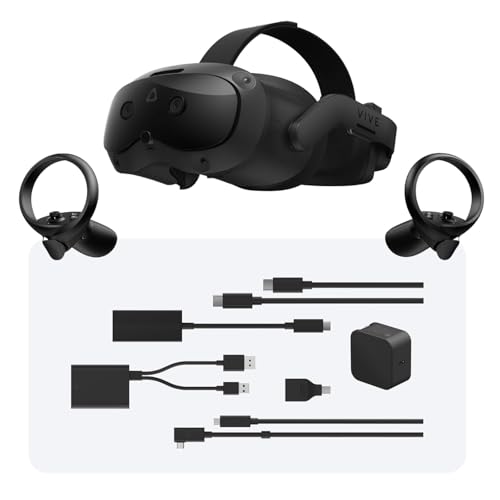
HTC Vive Focus Vision Wired Bundle — XR Headset with DisplayPort PC VR Streaming Kit
- All-In-One VR Solution: Standalone and PC VR experiences
- High-Resolution Displays: Immersive visual quality
- Versatile Tracking Features: Enhanced movement tracking
As an affiliate, we earn on qualifying purchases.
As an affiliate, we earn on qualifying purchases.
Grilling season Picks
grills
As an affiliate, we earn on qualifying purchases.