Nature-based solutions use ecosystems like forests, wetlands, and urban green spaces to fight climate change. By absorbing carbon dioxide, cooling cities, and acting as buffers against sea level rise and storms, these natural methods help lower greenhouse gases and protect communities. Green infrastructure also improves air quality and boosts biodiversity. If you keep exploring, you’ll discover even more ways these essential ecosystems can support a healthier planet.
Listen free for 30 days with Audible
Thousands of audiobooks and originals — cancel anytime.
As an affiliate, we earn on qualifying purchases.
Key Takeaways
- Ecosystems like forests, wetlands, and urban green spaces absorb CO2 and reduce urban heat, aiding climate mitigation.
- Coastal restoration projects, including mangroves and dunes, buffer storm impacts and sequester carbon.
- Green infrastructure enhances air quality, lowers energy use, and promotes biodiversity in urban areas.
- Nature-based solutions offer cost-effective, sustainable ways to build resilience against climate change impacts.
- Community involvement in ecosystem restoration fosters sustainable development and strengthens local climate resilience.
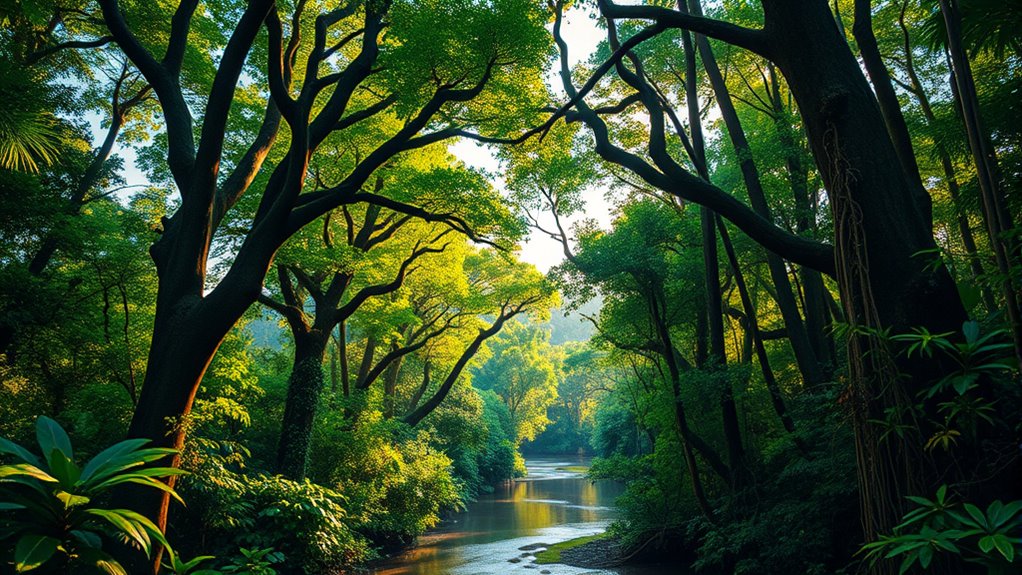
Have you ever wondered how working with nature can solve some of our biggest challenges? One powerful approach is harnessing natural ecosystems to combat climate change and improve our environment. When you think about urban green spaces, you might picture parks, community gardens, or tree-lined streets. These areas do more than just beautify a city—they play an essential role in climate mitigation. Urban green spaces help reduce the heat island effect, lower energy use for cooling, and improve air quality. By planting trees and maintaining green roofs, you create natural cooling zones that lessen the need for air conditioning, which in turn cuts greenhouse gas emissions. These spaces also absorb carbon dioxide, acting as carbon sinks within city limits. They support biodiversity, provide recreational opportunities, and enhance mental health, making cities more resilient and livable.
Coastal restoration is another key aspect of nature-based solutions. Our coastlines face relentless pressure from rising sea levels, storm surges, and erosion. Restoring wetlands, mangroves, and dunes helps buffer these impacts. When you participate in or support coastal restoration efforts, you’re helping to re-establish natural barriers that absorb storm energy before it reaches inland communities. These ecosystems trap sediments, prevent erosion, and protect essential habitats for fish, birds, and other wildlife. Restored coastlines also serve as carbon sinks, locking away large amounts of carbon in their organic soils and plant life. Plus, they support local economies through fishing, tourism, and recreation. Coastal restoration isn’t just about preserving nature; it’s about creating resilient communities that can adapt to climate change’s challenges. Additionally, integrating innovative nature-based solutions into urban and coastal planning can maximize environmental benefits and cost savings.
Both urban green spaces and coastal restoration exemplify how working with nature offers sustainable, cost-effective solutions. These ecosystems provide natural infrastructure that reduces the need for expensive engineered solutions while delivering multiple benefits. You can get involved by advocating for policies that prioritize green infrastructure, supporting conservation projects, or simply planting trees and creating green spaces in your community. When you embrace these nature-based solutions, you’re contributing to a healthier planet, healthier communities, and a more sustainable future. The beauty of working with nature is that it’s a win-win scenario—nature heals itself when given the chance, and in doing so, it helps us heal the impacts of our own actions. By integrating these ecosystems into our planning and development, you help forge a resilient world where climate change becomes a challenge we’re better equipped to face.

Urban Gardener City Rooftop Garden Sustainable Gardening Tote Bag
- Design: Urban Gardener City Rooftop Graphic
- Ideal For: Plant moms, dads, and garden lovers
- Use Case: Urban, balcony, container gardening
As an affiliate, we earn on qualifying purchases.
As an affiliate, we earn on qualifying purchases.
Frequently Asked Questions
How Do Nature-Based Solutions Compare Cost-Wise to Engineered Solutions?
You’ll find that nature-based solutions often have better financial feasibility than engineered options. They typically require lower upfront costs and provide ongoing benefits like ecosystem services. When you do a cost-benefit analysis, these solutions often show higher returns over time, thanks to their sustainability and resilience. While engineered solutions can be costly initially, nature-based approaches tend to be more economically efficient, especially when considering long-term climate mitigation and ecosystem health.
What Are the Main Challenges in Implementing Ecosystem-Based Climate Strategies?
Implementing ecosystem-based climate strategies is like steering a winding river—you face many challenges. Funding obstacles often limit projects, and policy gaps create confusion or inconsistency in implementation. You might find it difficult to secure long-term support, while inconsistent policies stall progress. Overcoming these hurdles requires coordinated efforts, better funding mechanisms, and policy reforms, so you can harness nature’s power effectively to combat climate change.
How Can Local Communities Be Involved in Nature-Based Solutions?
You can involve local communities in nature-based solutions by encouraging community participation and fostering local empowerment. Engage residents in planning and decision-making processes, ensuring their voices are heard. Offer training and resources that enable them to manage ecosystems sustainably. By valuing local knowledge and promoting ownership of projects, you build trust and commitment, which are essential for the long-term success of ecosystem-based climate strategies.
Are There Specific Ecosystems More Effective for Climate Mitigation?
You know what they say, “Don’t put all your eggs in one basket.” When it comes to climate mitigation, certain ecosystems like forests, wetlands, and mangroves are especially effective. These ecosystems enhance carbon sequestration, regulate temperatures, and protect against floods. Their effectiveness varies by location, but investing in these natural systems can markedly boost your community’s resilience and help fight climate change.
How Do NBS Adapt to Climate Change Impacts Over Time?
You might wonder how NBS adapt to climate change impacts over time. By fostering adaptive resilience, these ecosystems naturally evolve, adjusting their structures and functions to new conditions. This ongoing ecosystem evolution enhances their ability to buffer climate impacts, such as floods or heatwaves. Your role includes protecting and restoring these ecosystems, ensuring they can continue to adapt, providing essential climate mitigation benefits now and in the future.

Bonsai Tree Kit Deluxe – Growing 5 Unique Japanese Bonzai Trees
- Includes Extra Seeds: Additional seed packets included for variety
- All-in-One Bonsai Kit: Complete starter kit for beginners
- Five Unique Bonsai Trees: Includes Crape Myrtle, Flame Tree, Jacaranda, Pigeon Pea, and more
As an affiliate, we earn on qualifying purchases.
As an affiliate, we earn on qualifying purchases.
Conclusion
You might wonder if nature-based solutions truly make a difference in climate mitigation. The evidence suggests they do, harnessing ecosystems’ natural ability to absorb carbon and reduce disaster risks. By protecting and restoring these environments, you can play a part in fighting climate change effectively. It’s not just a theory — it’s a proven approach that offers sustainable, cost-effective benefits. Embracing nature’s power could be your best move toward a healthier planet.
As an affiliate, we earn on qualifying purchases.

Sandy Beach Dunes Feeding Mat, Coastal Open Window Blue Sea Waves Landscape Waterproof Foldable Pet Cat Dog Food Mat Placemats for Cats Dogs Water Bowl 17.7×11.8in
- Premium Material: High-quality PU leather for durability
- Non-slip Surface: Textured surface stays in place
- Waterproof Design: Repels water, grease, and stains
As an affiliate, we earn on qualifying purchases.
As an affiliate, we earn on qualifying purchases.
Summer Picks
summer essentials
As an affiliate, we earn on qualifying purchases.