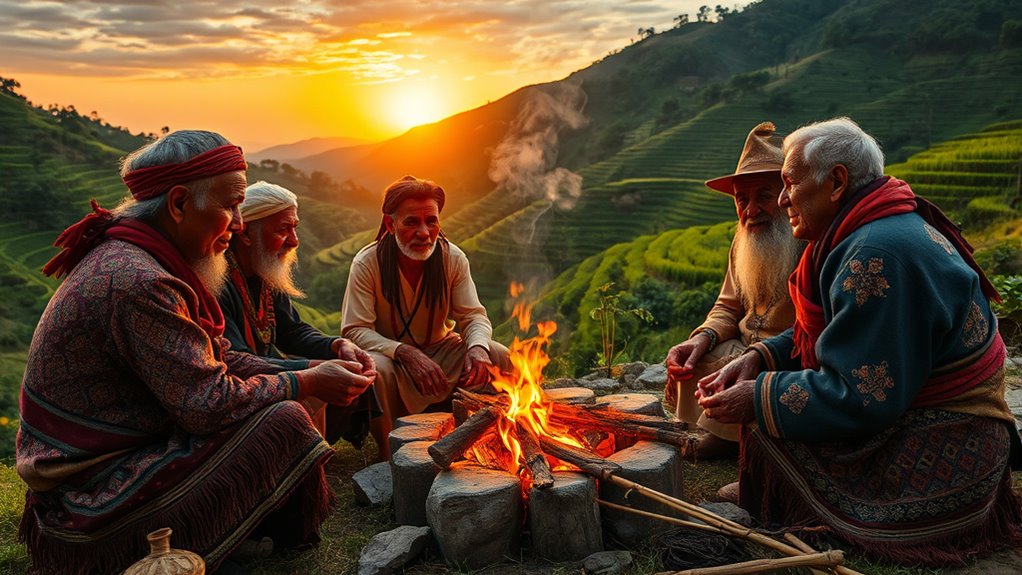

Indigenous communities show that sustainable living comes from a deep understanding of ecology, cultural practices, and respectful land use. By maintaining traditional knowledge, they protect biodiversity and practice resource management that guarantees future generations benefit. Their holistic approach combines spiritual, social, and ecological values, fostering resilience and harmony with nature. Embracing these lessons can transform your view of sustainability—if you continue exploring, you’ll discover how these time-tested practices can inspire modern solutions.

Get the little things that make your day delivered free with Prime
- Fast, free delivery on millions of items
- Prime Video, Amazon Music and more included
- Member-only deals all year
Key Takeaways
- Indigenous communities’ sustainable practices are deeply rooted in ecological understanding and respect for land and resources.
- Traditional knowledge includes rotational harvesting and careful resource management to prevent overexploitation.
- Cultural practices and ceremonies reinforce ecological balance and environmental stewardship for future generations.
- Maintaining language, stories, and rituals preserves vital ecological knowledge and cultural resilience.
- Integrating indigenous practices with modern conservation enhances biodiversity and long-term ecological sustainability.
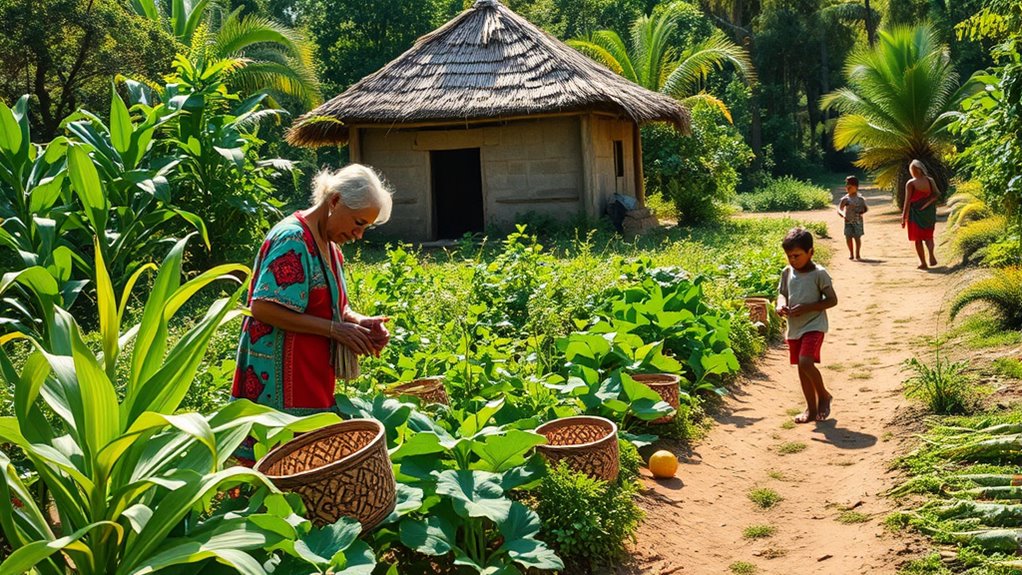
Have you ever wondered how indigenous communities manage to sustain their environments for generations? It’s because they’ve developed deep-rooted practices that prioritize ecological resilience and cultural preservation. These communities don’t just see themselves as separate from nature; they view themselves as integral parts of the ecosystems they inhabit. This perspective shapes their daily activities, guiding them to work in harmony with nature rather than exploiting it. By maintaining this balance, they guarantee that their environment remains healthy and productive for future generations. Their traditional knowledge encompasses a profound understanding of local species, seasonal cycles, and ecological interactions, which helps them adapt to changes and recover from disturbances. This resilience isn’t accidental; it’s embedded in their cultural practices, rituals, and ways of life that reinforce sustainable resource management. For example, many indigenous groups practice rotational hunting and fishing, allowing populations to recover and ecosystems to thrive. They also use carefully managed harvesting techniques that prevent overexploitation. These methods are rooted in centuries of observation and experience, forming a living knowledge system that’s continuously refined. Additionally, the integration of traditional ecological knowledge with modern conservation efforts can enhance environmental sustainability and promote biodiversity. Cultural preservation plays an essential role here. Indigenous communities actively maintain their language, stories, ceremonies, and traditional skills, which carry vital ecological knowledge. This cultural continuity ensures that the sustainable practices aren’t lost over time, even as external pressures increase. It’s a holistic approach that integrates ecological understanding with spiritual and social values, creating a resilient framework for survival. When you look at their practices, you see that their sustainability is about more than just resource management; it’s about nurturing a relationship with the land that respects its limits. This relationship fosters ecological resilience, allowing ecosystems to recover from natural and human-induced shocks. It also strengthens their cultural identity, ensuring that their way of life endures despite globalization and modernization. By valuing and protecting their traditional knowledge and cultural heritage, indigenous communities demonstrate that sustainable living isn’t just a modern concept but a time-tested way of life. Their example reminds us that respecting ecological resilience and cultural preservation isn’t just ethical—it’s essential for the health of our planet. Recognizing and learning from these practices can help us develop more sustainable strategies that honor both nature and cultural diversity. Ultimately, their wisdom challenges us to rethink our relationship with the environment and to prioritize long-term resilience over short-term gains.
indigenous ecological knowledge books
As an affiliate, we earn on qualifying purchases.
As an affiliate, we earn on qualifying purchases.
Frequently Asked Questions
How Is Indigenous Knowledge Integrated Into Modern Sustainability Policies?
You can see indigenous knowledge integrated into modern sustainability policies through efforts that promote cultural resilience and knowledge transfer. Policymakers actively involve indigenous communities, respecting their traditional practices and insights. By incorporating indigenous perspectives, they create more inclusive, effective strategies for environmental conservation. This approach guarantees that traditional wisdom informs modern solutions, fostering sustainable development that honors cultural heritage and enhances resilience against ecological challenges.
What Challenges Do Indigenous Communities Face in Preserving Traditional Practices?
You face formidable hurdles like cultural erosion and land rights issues that threaten your traditional practices. These challenges erode your cultural essence and limit your land access, making it difficult to preserve your unique customs. Without secure land rights, your ability to sustain and transmit traditional knowledge diminishes. Overcoming these obstacles requires advocating for your rights, safeguarding your heritage, and strengthening community resilience to maintain your vibrant cultural legacy.
Are There Successful Examples of Indigenous-Led Sustainability Initiatives?
Yes, there are successful examples of indigenous-led sustainability initiatives. You can look at projects like the Mapuche community’s land management efforts in Chile, which prioritize cultural preservation and sustainable land use. These initiatives often combine traditional knowledge with modern practices, leading to healthier ecosystems and strengthened cultural identity. By supporting indigenous-led efforts, you help promote sustainable land management and guarantee the preservation of valuable cultural practices for future generations.
How Do Indigenous Practices Adapt to Climate Change Impacts?
Imagine traditional resilience as a sturdy tree, bending with storms but not breaking. You see, indigenous practices adapt to climate change through cultural adaptation—shifting methods while respecting core values. They innovate sustainably, like adjusting planting cycles or water management, ensuring their ecosystems thrive. This flexibility helps communities withstand new challenges, turning ancient wisdom into modern resilience, allowing them to thrive amid changing climates while maintaining their cultural identity.
What Role Do Indigenous Women Play in Sustainability Efforts?
You see indigenous women play a crucial role in sustainability efforts by leading cultural preservation and promoting gender equity. They pass down traditional knowledge, manage natural resources, and advocate for environmental justice within their communities. Their active participation guarantees sustainable practices are maintained and adapted, fostering resilience and cultural continuity. By empowering indigenous women, you help strengthen community efforts toward sustainable development and respect for indigenous traditions.
traditional resource management tools
As an affiliate, we earn on qualifying purchases.
As an affiliate, we earn on qualifying purchases.
Conclusion
You see, embracing indigenous knowledge means honoring traditions, respecting nature, and preserving culture. It’s about listening to ancient voices, learning from time-tested practices, and applying them to build a sustainable future. When you incorporate these lessons, you nurture harmony, foster resilience, and cultivate balance. By valuing indigenous wisdom, you create a world where nature thrives, communities flourish, and tomorrow’s generations inherit a legacy of sustainability—an enduring cycle of respect, renewal, and reverence.
As an affiliate, we earn on qualifying purchases.
indigenous culture preservation kits
As an affiliate, we earn on qualifying purchases.
As an affiliate, we earn on qualifying purchases.
Halloween Picks
halloween
As an affiliate, we earn on qualifying purchases.