

When posting responsibly on social media, you should think before sharing personal or sensitive content, respecting others’ privacy and boundaries. Always consider how your posts might affect others and avoid oversharing or making assumptions. Use privacy settings wisely to control who sees your content, and be kind in your comments to foster a respectful environment. By practicing thoughtful posting, you contribute to a positive online space—there’s more to uncover on how to navigate social media etiquette effectively.
Key Takeaways
- Think carefully before sharing personal or sensitive content to protect privacy and maintain control over your digital footprint.
- Obtain permission before posting someone else’s photo or story to respect their privacy and boundaries.
- Avoid oversharing details about your routines, location, or feelings to prevent privacy breaches.
- Use respectful language and constructive comments to foster a positive online environment.
- Regularly review privacy settings and policies to ensure your posts align with your comfort level and privacy preferences.
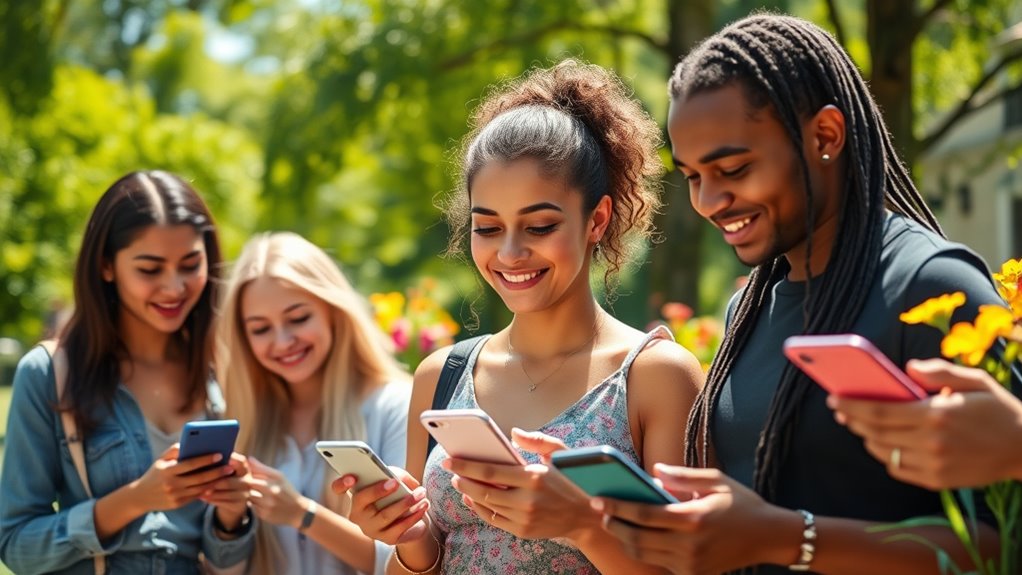
In today’s digital age, social media has become a primary way to connect, share, and express yourself. But with this convenience comes responsibility. When you post online, you’re not just sharing content; you’re also setting boundaries for how others interact with you. Privacy boundaries are essential to protect your personal space and control what others see. Think carefully before sharing details about your location, daily routines, or sensitive information. Remember, once something is online, it’s difficult to fully retract. By establishing clear privacy boundaries, you guarantee that your digital life remains aligned with your comfort levels.
Set clear privacy boundaries online to protect your personal space and control what others see.
Respectful commenting is another crucial aspect of social media etiquette. When engaging with others’ posts, always approach with kindness and consideration. Avoid inflammatory language, personal attacks, or dismissive remarks. Instead, aim for constructive and positive interactions that foster a respectful environment. If you disagree with someone, express your viewpoint calmly without resorting to insults or sarcasm. Recognize that behind every profile is a real person with feelings, and your comments can impact their emotional well-being. Practicing respectful commenting not only reflects well on your character but also helps maintain a supportive online community.
Being mindful of privacy boundaries and respectful commenting also involves understanding the importance of consent. Before sharing someone else’s photo or story, ask for their permission. This shows respect for their privacy and prevents potential conflicts. When commenting, avoid oversharing or making assumptions about someone else’s life. Keep your interactions appropriate to the context, and remember that what you post or say online can have lasting repercussions. It’s easy to forget that digital footprints are permanent, so always think twice before posting or commenting.
Additionally, respecting others’ boundaries extends to not pressuring friends or followers into sharing more than they’re comfortable with. If someone chooses not to reply or to keep certain details private, respect their decision. This demonstrates maturity and understanding, fostering trust and comfort in your online relationships. In turn, you’ll encourage more authentic and respectful exchanges. Maintaining a balance between sharing your experiences and respecting the privacy of others creates a healthier social media environment for everyone involved.
Ultimately, responsible posting on social media is about being intentional and considerate. Protect your privacy boundaries, engage in respectful commenting, and always remember that your online behavior reflects who you are. It’s also important to stay informed about cookie policies and privacy settings to ensure your digital footprint remains secure. By practicing these principles, you contribute to a positive, respectful digital space where everyone can feel safe and valued. Social media offers incredible opportunities for connection, but it’s up to you to use it wisely, with kindness and respect at the forefront.
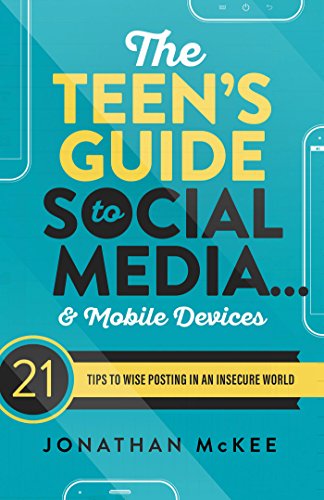
The Teen's Guide to Social Media… & Mobile Devices: 21 Tips to Wise Posting in an Insecure World
As an affiliate, we earn on qualifying purchases.
As an affiliate, we earn on qualifying purchases.
Frequently Asked Questions
How Should I Handle Negative Comments Politely?
When you get negative comments, respond politely and focus on constructive feedback. Acknowledge their feelings without getting defensive, and if appropriate, thank them for sharing their perspective. Use conflict resolution skills to keep the tone calm and respectful. Avoid arguing or deleting comments unless they violate guidelines. By handling negativity with kindness and professionalism, you maintain a positive online presence and turn potentially difficult situations into opportunities for growth.
What’s the Best Way to Apologize for a Social Media Mistake?
When you make a mistake on social media, it’s best to offer a sincere public apology promptly. Acknowledge the specific mistake, express remorse, and take responsibility. Then, clearly communicate your mistake correction to show you’re committed to rectifying it. This approach demonstrates accountability and helps rebuild trust with your audience. Remember, a genuine apology can turn a negative situation into an opportunity to show your integrity.
How Do I Protect My Privacy While Engaging Online?
You need to keep your guard up and protect your privacy while engaging online. Start by adjusting your privacy settings on each platform, limiting who can see your posts and personal info. Respect your personal boundaries by avoiding oversharing and being cautious about the content you share. Remember, what’s shared online can be difficult to erase, so think twice before clicking “post,” and stay vigilant to keep your digital footprint secure.
When Is It Appropriate to Share Personal Photos?
You should only share personal photos when you feel comfortable and confident, respecting your personal boundaries. Consider your audience and the potential reach of your photo sharing before posting. Ask yourself if it’s appropriate and if you’re okay with the photo being shared widely. Remember, once you post, you lose control over who views or shares your images, so only share photos that align with your comfort level and privacy preferences.
How Can I Recognize and Avoid Online Harassment?
Ever wondered how to spot and prevent online harassment? Stay alert for unwanted comments, messages, or threats that make you uncomfortable. Practice cyberbullying awareness by not engaging with negativity and blocking or reporting harassers immediately. To avoid online harassment, set clear boundaries, keep personal info private, and use privacy settings. Remember, you don’t have to tolerate abuse—protect yourself by staying vigilant and practicing online harassment prevention strategies.

DEFAULT IS EXPOSURE: 12 PRACTICAL TOOLS TO RECLAIM YOUR PRIVACY IN A SURVEILLANCE-DRIVEN WORLD
As an affiliate, we earn on qualifying purchases.
As an affiliate, we earn on qualifying purchases.
Conclusion
Remember, responsible posting fosters friendly, respectful, and reliable relationships online. By practicing polite, positive, and considerate communication, you create a compassionate community where everyone feels valued. Think before you tweet, share, or scroll—your actions shape social media’s social spirit. Let’s lead with kindness, keep conversations courteous, and cultivate connections that carry compassion. Together, we can craft a courteous, caring, and constructive digital domain, making social media a safer, more satisfying space for all.

WD 6TB My Passport Ultra for Mac Silver, Portable External Hard Drive, Backup Software with Defense Against ransomware, and Password Protection, USB-C and USB 3.1 – WDBGKC0060BSL-WESN
World’s First 6TB 2.5” Portable Hard Drive
As an affiliate, we earn on qualifying purchases.
As an affiliate, we earn on qualifying purchases.

The Etiquette of Social Media: How to Connect and Respond to Others in the World of Social Media
As an affiliate, we earn on qualifying purchases.
As an affiliate, we earn on qualifying purchases.