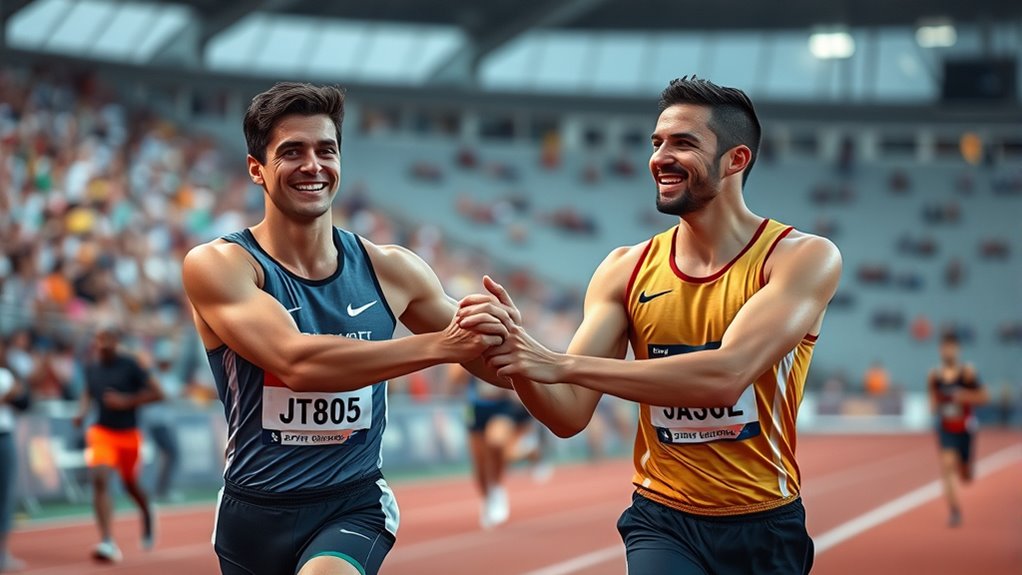

Sportsmanship in competitive sports means playing fair, respecting officials, teammates, and opponents. It involves showing honesty, humility in victory, and grace in defeat. You should accept calls without disrespect and celebrate good plays modestly. Your respectful attitude helps create a positive environment, encouraging others to do the same. If you stay committed to these values, you’ll contribute to a healthy, enjoyable crowd where everyone can grow and succeed. Keep exploring to learn more about sportsmanship’s key principles.

Get the little things that make your day delivered free with Prime
- Fast, free delivery on millions of items
- Prime Video, Amazon Music and more included
- Member-only deals all year
Key Takeaways
- Respect officials’ decisions and accept calls with dignity to promote fair play.
- Demonstrate humility in victory and grace in defeat to foster sportsmanship values.
- Encourage opponents and teammates, recognizing their efforts regardless of the outcome.
- Maintain calmness and avoid taunting or gloating to uphold respectful conduct.
- Play honestly, adhere to rules, and model good conduct to create a positive sports environment.
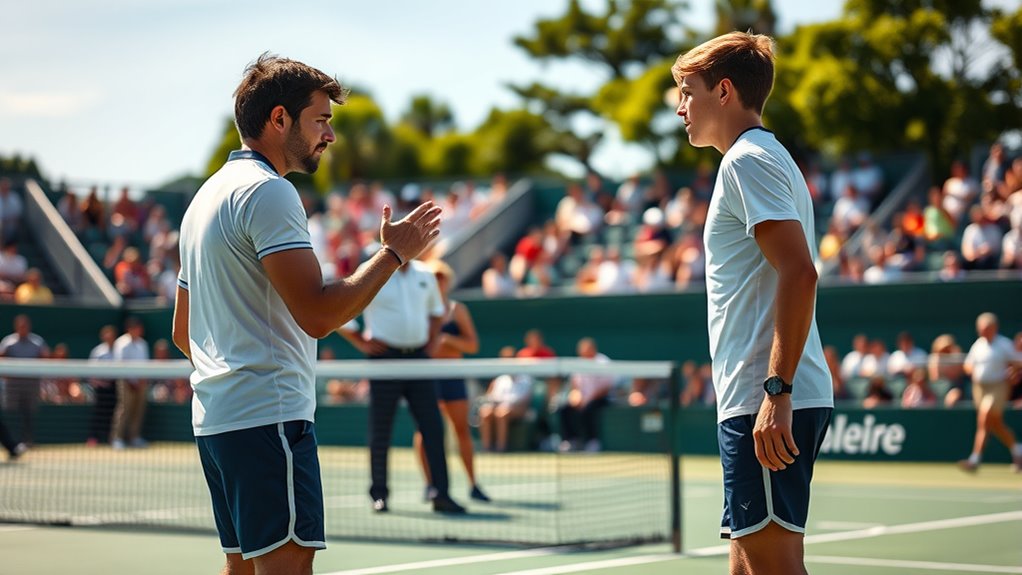
Sportsmanship is the foundation of fair play and respect in sports. When you step onto the field or court, your behavior sets the tone for everyone involved. Good sportsmanship begins with your player conduct—how you interact with opponents, teammates, officials, and even yourself. Maintaining a calm demeanor, showing humility in victory, and graciousness in defeat all reflect your commitment to fair play. It’s not just about winning or losing; it’s about upholding integrity and demonstrating respect for the game and those who play it. When you play with honesty and adhere to the rules, you foster an environment where competition remains healthy and enjoyable for everyone.
Practicing fair play means more than just following the rules. It involves respecting the decisions of referees and officials, even when you disagree. Arguing or showing disrespect undermines the spirit of sportsmanship and can escalate conflicts. Instead, accept their calls with dignity and focus on your performance. This attitude not only influences your reputation but also encourages others to act similarly. Remember, sports are about collective effort and shared enjoyment, and your player conduct can either elevate or tarnish that experience. When you demonstrate fairness, you set an example that others will want to follow, creating a positive environment where everyone can thrive.
Additionally, sportsmanship involves humility. Celebrate your successes modestly and avoid gloating or taunting opponents. Recognize good plays from others and offer encouragement regardless of the game’s outcome. These actions foster camaraderie and remind everyone that sports are ultimately about teamwork and personal growth. When you show respect for opponents, you acknowledge their skills and effort, which in turn promotes mutual respect and a more enjoyable competition. Good sportsmanship also means accepting defeat gracefully, understanding that setbacks are opportunities to learn and improve. By doing so, you reinforce the idea that sports are about self-improvement and effort, not just the scoreboard. Furthermore, embracing personal growth through sports can enhance your character and resilience in all areas of life.
sportsmanship etiquette training guide
As an affiliate, we earn on qualifying purchases.
As an affiliate, we earn on qualifying purchases.
Frequently Asked Questions
How Can Coaches Promote Good Sportsmanship Among Players?
You can promote good sportsmanship among players through active coach engagement, emphasizing respectful behavior and teamwork. By modeling positive actions yourself, you set a strong example for athletes to follow. Encourage athletes to demonstrate sportsmanship in wins and losses, praising fair play and respect. Regularly discuss the importance of good sportsmanship, making it a core part of your coaching philosophy. Your role as a role model directly influences players’ attitudes and conduct on and off the field.
What Are Common Examples of Poor Sportsmanship in Competitions?
You often see poor sportsmanship through unsportsmanlike behavior like trash-talking, arguing with officials, or showing disrespect to opponents. Cheating and deception are also common, such as faking injuries or tampering with equipment. These actions undermine fairness and respect in competition. Recognizing these examples helps you understand what to avoid and how to promote integrity and respect, fostering a positive environment for everyone involved.
How Does Sportsmanship Influence Team Dynamics and Morale?
Think of sportsmanship as the glue that holds your team together. When you show respect, fairness, and support, you strengthen team cohesion and boost player motivation. This positive atmosphere creates a ripple effect, inspiring everyone to perform their best. Conversely, poor sportsmanship can crack the foundation, leading to mistrust and lowered morale. By practicing good etiquette, you cultivate a resilient, united team ready to face any challenge.
Are There Cultural Differences in Sportsmanship Expectations Worldwide?
Yes, cultural differences considerably shape sportsmanship expectations worldwide. You’ll find that cultural norms influence what’s considered respectful, fair, or acceptable during competition. Etiquette variations mean that gestures like handshakes, congratulatory rituals, or even arguing with referees can differ from one country to another. Understanding these differences helps you show respect across borders and adapt your behavior, fostering positive international sportsmanship and enriching your global sports experience.
What Are the Consequences of Unsportsmanlike Conduct in Sports?
You face serious consequences for unsportsmanlike conduct, including player penalties that can affect your game and reputation damage that lasts beyond the field. Studies show that 85% of fans believe poor sportsmanship diminishes the integrity of sports. When you act disrespectfully, you risk fines, suspensions, and losing respect from teammates and fans alike. Upholding good sportsmanship keeps your reputation strong and the game enjoyable for everyone.
As an affiliate, we earn on qualifying purchases.
Conclusion
Remember, practicing good sportsmanship makes sports more enjoyable for everyone. Some might think it’s just about winning, but it’s really about respect, teamwork, and having fun. Even if you lose, showing kindness and integrity leaves a positive impression and helps build stronger connections with others. So, don’t worry—by playing fair and respecting your opponents, you’ll find more satisfaction in every game and create a lasting, positive experience for yourself and those around you.
As an affiliate, we earn on qualifying purchases.
As an affiliate, we earn on qualifying purchases.
Columbus Day / Indigenous Peoples' Day Picks
long weekend sales
As an affiliate, we earn on qualifying purchases.