

Minimalist maximalism in packaging aesthetics blends clean, simple designs with bold contrasts and tactile textures to create visually striking yet sophisticated packaging. You’ll notice thoughtful use of contrasting colors and textures that add depth without clutter, making your product stand out on crowded shelves. This style emphasizes just enough detail to captivate without overwhelming, transforming minimalism into a powerful design statement. Explore these principles further to discover how layers of simplicity and richness refine your packaging approach.
Key Takeaways
- Minimalist maximalism combines clean, simple design with strategic use of contrasting colors and textures to create visual depth.
- It emphasizes essential elements while adding layered details through texture and color contrast for impact.
- The approach balances simplicity with sophistication, enhancing brand recognition and shelf appeal.
- Texture layering techniques, such as matte backgrounds with glossy embossing, enrich minimalist packaging.
- This style transforms straightforward designs into memorable, engaging visual experiences through thoughtful detailing.
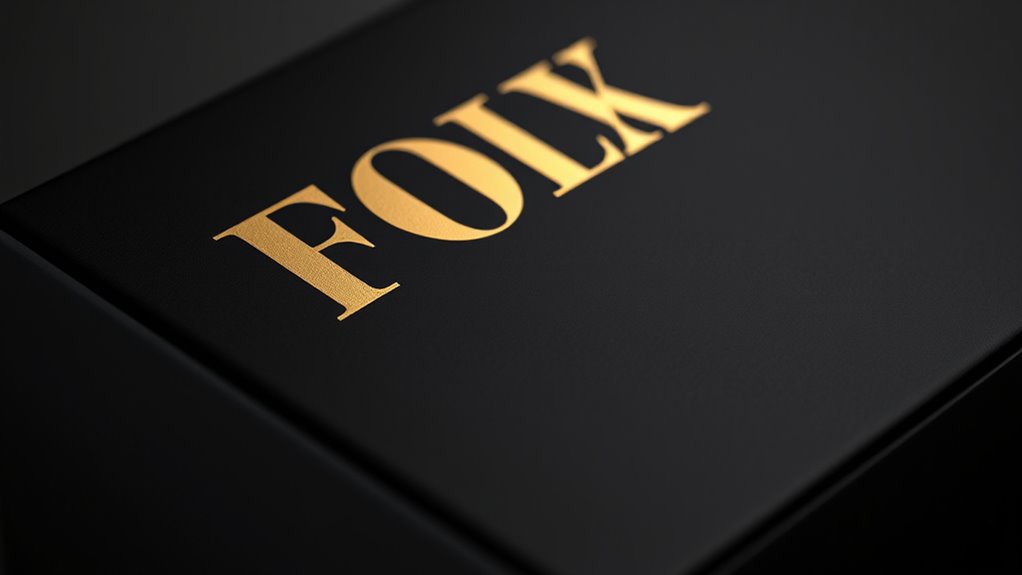
Have you ever noticed how some packaging manages to stand out with just a few simple elements? It’s all about the clever use of design fundamentals—specifically, color contrast and texture layering. When done right, these elements can transform a plain package into something eye-catching and memorable, without overwhelming the senses. You don’t need complex graphics or busy patterns; sometimes, minimalism combined with strategic details creates the most powerful visual impact.
Color contrast plays a *vital* role in minimalist maximalism. It’s about choosing hues that pop against each other to draw the eye instantly. Think of a sleek black background with a bold white logo or a vibrant accent color that slices through a neutral palette. This contrast isn’t just about aesthetics; it guides the viewer’s focus, emphasizing key information or branding in a subtle yet effective way. You’ll find that a well-chosen contrasting color combination creates visual hierarchy, making the product easier to identify on crowded shelves. It also adds a layer of sophistication, showing that simplicity doesn’t mean boring. Instead, it’s about intentionality—using contrast to highlight what matters most.
Color contrast guides focus and adds sophistication through bold, intentional hue choices.
Texture layering takes this idea even further. While minimalist designs often rely on clean lines and flat surfaces, incorporating different textures adds depth and tactile interest. For example, a matte background paired with glossy embossed lettering creates a tactile experience that invites touch. You might combine smooth, sleek materials with rough, textured accents to create a multi-dimensional look. This layering of textures doesn’t clutter the design; it enhances it, adding complexity without chaos. You can use textured finishes sparingly—perhaps a raised logo or a subtle pattern behind a simple label—to make the package more engaging. Texture layering offers a way to communicate quality and craftsmanship, elevating a straightforward design into something sophisticated and layered.
Together, color contrast and texture layering allow you to craft packaging that’s both visually striking and refined. They let you play with simplicity while still creating visual interest and depth. This balance is at the heart of minimalist maximalism: stripping down to essentials but enriching those essentials with thoughtful details. When you pay attention to how contrasting colors interact and how textures can add dimension, you craft packaging that captures attention without clutter. It’s about making every element count—delivering a message that’s clear, compelling, and aesthetically memorable. In this way, your packaging becomes more than just a container; it becomes an experience—simple yet layered, bold yet refined.
Top picks for "minimalist maximalism packag"
Open Amazon search results for this keyword.
As an affiliate, we earn on qualifying purchases.
Frequently Asked Questions
How Do You Balance Simplicity and Boldness Effectively?
You balance simplicity and boldness by creating contrast in color and carefully choosing typography. Use a clean, simple background to let bold, vibrant colors stand out, making the packaging eye-catching. Select typography that’s clear yet distinctive, adding personality without clutter. This contrast draws attention while maintaining an elegant, streamlined appearance. By combining minimal design with striking elements, you achieve a harmonious look that’s both impactful and refined.
What Materials Best Suit Minimalist Maximalist Packaging?
You should choose sustainable materials like recycled paper, kraft, or biodegradable plastics that align with your minimalist maximalist design. Incorporate tactile textures such as embossed patterns, matte finishes, or raised elements to add boldness without clutter. These materials and textures create a striking, eco-friendly look that balances simplicity with visual interest, making your packaging stand out while emphasizing sustainability and sensory appeal.
How Does Target Audience Influence Design Choices?
Your target audience shapes your design choices by influencing how they perceive your brand. Consider their preferences, cultural influences, and values to create packaging that resonates. If your audience values sophistication, minimalist designs might boost your brand perception. Conversely, a youthful, vibrant crowd might respond better to maximalist aesthetics. Tailoring your packaging to their expectations guarantees your brand connects authentically, enhancing loyalty and recognition.
Are There Specific Industries Where This Style Works Best?
You’ll find that minimalist maximalism works best in luxury branding and eco-friendly materials industries. This style appeals to consumers seeking sophistication and sustainability, making it perfect for high-end products and eco-conscious brands. By combining bold, vibrant designs with elegant simplicity, you create packaging that grabs attention while emphasizing quality and environmental responsibility. This approach resonates with your target audience, elevating your brand image and encouraging loyalty through striking yet mindful aesthetics.
How Can Brands Maintain Consistency Across Packaging?
You can maintain consistency across packaging by establishing clear branding guidelines that balance visual harmony with distinctive elements. Think of it as blending simplicity with boldness—use consistent color palettes, typography, and imagery to reinforce your brand identity. Regularly review your packaging designs, ensuring each aligns with these standards. When you prioritize branding coherence and visual harmony, your packaging becomes instantly recognizable, creating a seamless experience that strengthens your brand’s presence.
Conclusion
So, next time you see a package that balances simplicity with bold elements, ask yourself—are you truly appreciating the art of minimalist maximalism? This approach challenges you to find beauty in contrast, urging you to look beyond the surface. By embracing both minimalism and maximalism, you uncover a new perspective on packaging aesthetics that’s both striking and refined. Isn’t it time you started noticing the subtle complexity behind every well-designed package?