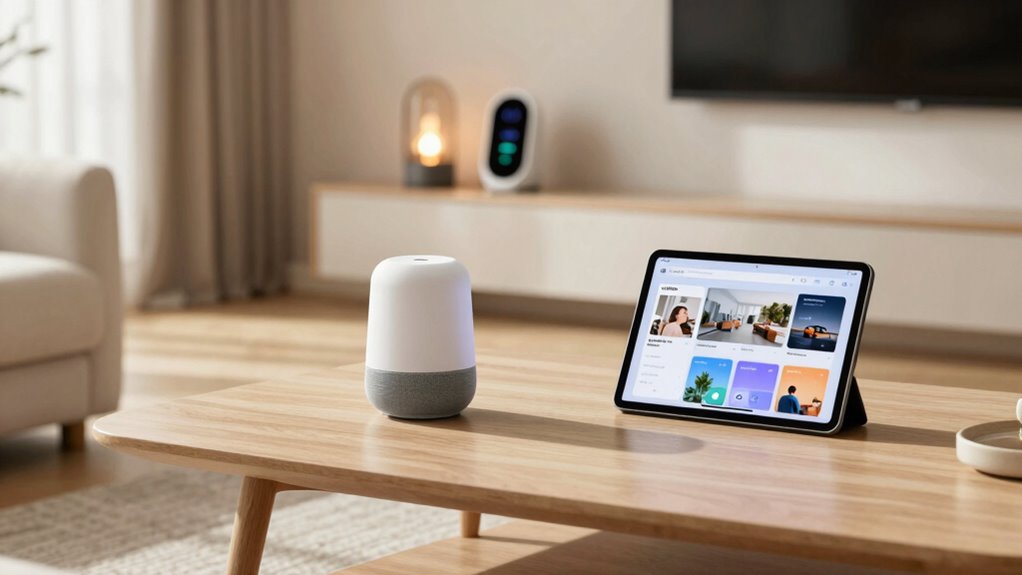

More homes need better device ecosystems because simply adding more gadgets often leads to confusion and inefficiency. Instead of cluttering your space, a well-designed ecosystem guarantees your devices work seamlessly together, making daily tasks easier and improving security. It also helps you save energy and money through smart automation. Focusing on integration offers smarter control and real-time alerts. Keep exploring how creating a unified system can transform your home into a truly intelligent space.

Get the little things that make your day delivered free — and shop member deals
- Fast, free delivery on millions of items
- Access to Prime Big Deal Days deals on October 6–7
- Prime Video, Amazon Music and more included
Key Takeaways
- Better ecosystems improve device communication, preventing overload and ensuring seamless integration rather than simply increasing device numbers.
- Unified platforms enhance security, enabling real-time alerts and remote access without adding multiple gadgets.
- Well-designed ecosystems optimize energy use, reducing waste and lowering costs more effectively than numerous standalone devices.
- Focused ecosystems simplify daily routines and home management, reducing complexity caused by excessive gadgets.
- Prioritizing device interaction quality over quantity leads to smarter, more efficient, and more secure homes.
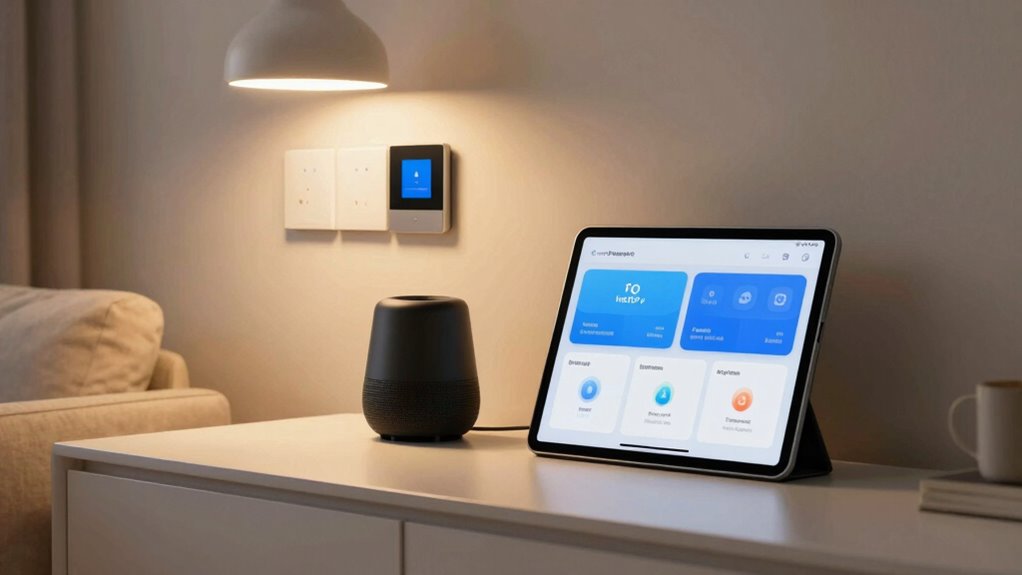
As more devices flood our homes, it’s clear that current ecosystems aren’t keeping up with our needs. Instead of continually adding more gadgets, you should focus on creating a smarter, more integrated device ecosystem. A well-designed ecosystem simplifies your life, enhances security, and boosts efficiency. For instance, smart security systems aren’t just about cameras and alarms anymore. They’re becoming central hubs that connect your locks, sensors, and surveillance for seamless monitoring. When these devices communicate effortlessly, you gain real-time alerts, remote access, and better control over your home’s safety. It’s not about having more devices; it’s about having the right ones that work together effortlessly.
Creating an integrated ecosystem simplifies security, boosts efficiency, and ensures devices work seamlessly together.
Energy management is another critical aspect that benefits immensely from a cohesive ecosystem. Instead of manually controlling each appliance or relying on standalone smart plugs, a unified system can analyze your energy consumption patterns, optimize usage, and reduce waste. Imagine your thermostat adjusting itself based on your daily routines, or your smart lights dimming automatically when not in use—all coordinated through a central platform. This not only saves you money but also reduces your environmental footprint. When your devices are integrated, you don’t just add convenience; you gain insight into your habits and the ability to make smarter decisions about energy use. A unified platform ensures that your entire system functions as a cohesive home automation network, which can also help in maintaining security standards and protecting your privacy.
As an affiliate, we earn on qualifying purchases.
Frequently Asked Questions
How Do Device Ecosystems Impact Home Security?
Device ecosystems profoundly impact your home security by enabling seamless integration of smart security devices, making monitoring easier and more reliable. When your devices work together smoothly, you can quickly respond to threats or alerts. Plus, a strong ecosystem prioritizes data privacy, ensuring your sensitive information stays protected. This interconnected setup enhances your safety, giving you peace of mind knowing your smart security system is both efficient and secure.
What Are the Costs of Improving Device Ecosystems?
Improving device ecosystems costs you financially and in effort. You’ll need to invest in technology that guarantees device interoperability, making different gadgets work seamlessly together. Additionally, customizing your ecosystem to fit your needs might require purchasing specific products or software updates. While these investments can be significant upfront, they ultimately create a more integrated, user-friendly environment that saves you time and hassle in the long run.
How Can I Upgrade My Current Device Ecosystem?
To upgrade your device ecosystem, start by focusing on smart integration and ensuring device compatibility. Check if your current devices support common standards like Zigbee or Z-Wave, making it easier to connect new gadgets seamlessly. Update firmware, install compatible apps, and consider adding a central hub to unify control. This way, you create a more efficient, integrated environment without unnecessary purchases, enhancing your smart home experience.
Are There Privacy Concerns With Integrated Ecosystems?
Yes, integrated ecosystems can feel like you’re handing over your privacy on a silver platter. Data privacy is a real concern, and without proper safeguards, your personal info could be exposed. Always check if your devices require explicit user consent before sharing data. By staying vigilant and setting clear boundaries, you protect your privacy and *guarantee* your ecosystem works for you, not against you.
Which Brands Offer the Best Compatible Device Ecosystems?
Brands like Apple, Google, and Amazon offer the best compatible device ecosystems, thanks to their smart integrations and strong brand compatibility. Apple’s ecosystem seamlessly connects iPhones, Macs, and HomeKit devices, while Google’s ecosystem integrates Nest products and Android devices effortlessly. Amazon’s Alexa ecosystem offers broad compatibility with many third-party smart devices. Choosing these brands guarantees smooth, cohesive smart experiences at home, reducing frustration and enhancing your overall device management.
integrated smart security system
As an affiliate, we earn on qualifying purchases.
As an affiliate, we earn on qualifying purchases.
Conclusion
Just like the Greek gods relied on harmony among their domains, your home thrives when devices work seamlessly together. Instead of piling up gadgets, focus on building a robust ecosystem that simplifies your life. Imagine your smart home as a symphony, each device playing in perfect tune. When everything integrates smoothly, you’ll experience the true power of technology—more comfort, fewer frustrations, and a space that feels truly alive and alive with purpose.
As an affiliate, we earn on qualifying purchases.
As an affiliate, we earn on qualifying purchases.
NFL season / tailgating Picks
team gear
As an affiliate, we earn on qualifying purchases.