
To conserve water at home and in industry, you can implement simple techniques like rainwater harvesting and greywater recycling. Collect rainwater from rooftops to use for gardening and cleaning, reducing reliance on municipal water. Recycle greywater from baths, sinks, and laundry for landscape irrigation or flushing toilets. These methods save money, protect freshwater supplies, and decrease pollution. Keep exploring to discover more ways to make your water use more sustainable and efficient.
Key Takeaways
- Implement rainwater harvesting systems to collect and store rainwater for household and industrial use.
- Recycle greywater from baths, sinks, and appliances for irrigation and toilet flushing to reduce freshwater consumption.
- Fix leaks promptly and install water-efficient fixtures to minimize household water wastage.
- Use eco-friendly practices like watering plants during cooler hours to decrease water use.
- Promote large-scale water recycling initiatives in industries to reuse process water and decrease reliance on municipal supplies.
Have you ever thought about how much water you use daily? It’s easy to overlook, but your habits and the way your household manages wastewater can make a vital difference. One effective way to cut down on your water consumption is through rainwater harvesting. This technique allows you to collect rainwater from your roof or other surfaces and store it for later use. By installing a simple system of gutters and storage tanks, you can reduce your reliance on the municipal water supply for tasks like watering plants, cleaning, or even flushing toilets. Rainwater harvesting not only conserves freshwater resources but also helps lower your utility bills. Plus, it’s an eco-friendly practice that reduces runoff, which can carry pollutants into local waterways.
Alongside rainwater harvesting, greywater recycling plays an essential role in water conservation at home. Greywater is the relatively clean wastewater generated from baths, sinks, washing machines, and dishwashers. Instead of letting this water go straight to the sewer system or septic tank, you can treat and reuse it for non-potable purposes. For example, greywater can be used for landscape irrigation or flushing toilets, greatly decreasing your household’s demand for fresh water. Implementing greywater recycling systems requires some planning and setup, but they’re worth it for the savings in water and the positive environmental impact. By reusing greywater, you’re not only conserving precious resources but also easing the load on local water treatment facilities. Additionally, educating yourself about water conservation techniques can further enhance your efforts and ensure sustainable water use.
Both rainwater harvesting and greywater recycling are simple yet powerful techniques that can be integrated into everyday life. For households, these methods mean less dependence on municipal water sources and a tangible contribution to reducing water waste. Industries, on the other hand, can benefit from larger-scale systems that recycle water used in manufacturing processes, lowering operational costs and environmental footprints. Incorporating these strategies calls for some initial investment and maintenance, but the long-term benefits far outweigh the costs. They help minimize water shortages, protect ecosystems, and promote sustainability.
Ultimately, water conservation isn’t just about turning off the tap when brushing your teeth; it’s about adopting smarter, more sustainable practices. By embracing rainwater harvesting and greywater recycling, you can make a real difference. These techniques empower you to use water more responsibly, save money, and contribute to a healthier planet. Small changes in your household or industry can add up, creating a ripple effect that benefits everyone and guarantees water availability for future generations.

Leaf Eater Advanced Rain Harvesting RHAD100 Both 3" and 4" Compatible
95%+ Capture Efficiency
As an affiliate, we earn on qualifying purchases.
As an affiliate, we earn on qualifying purchases.
Frequently Asked Questions
How Can I Identify Water Leaks in My Home Effectively?
To identify water leaks in your home effectively, start with leak detection by checking your water meter—turn off all fixtures and note the reading; if it changes, you likely have a leak. Perform pipe inspection by visually examining exposed pipes for drips or corrosion. Listen for sounds of running water when none is in use. Regular checks help catch leaks early, saving water and preventing costly damage.
What Are the Most Cost-Efficient Water-Saving Devices for Households?
Think of your home as a garden needing careful watering. To save water cost-effectively, install smart faucets and low flow showerheads—these act like gentle rain, reducing waste without sacrificing comfort. They’re affordable, easy to install, and markedly cut your water bill. With these devices, you’ll nurture your household wisely, ensuring every drop counts and making your home a model of efficient water use.
How Do Industries Balance Water Conservation With Operational Needs?
You can balance water conservation with operational needs by implementing industrial recycling and water reuse strategies. These methods help you reduce freshwater intake while maintaining production efficiency. By treating and reusing water within your processes, you minimize waste and cut costs. Embracing these techniques guarantees you meet environmental standards and sustain your operations, all while conserving essential water resources for the future.
Are There Government Incentives for Adopting Water-Efficient Technologies?
You’ll be amazed at how much money you can save by taking advantage of government rebates and tax incentives for water-efficient technologies. Many governments offer substantial rebates and incentives to encourage adoption, making it easier and more affordable to implement water-saving measures. These programs not only help reduce water bills but also promote environmental responsibility, turning your efforts into a win-win situation that benefits both your wallet and the planet.
What Are Future Innovations in Water Conservation for Households and Industries?
Future innovations in water conservation include smart irrigation systems that use sensors and weather data to optimize water use efficiently. Water recycling will become more advanced, allowing households and industries to reuse greywater for non-potable needs. These technologies will help you conserve water effortlessly, reduce waste, and lower your utility bills. By adopting smart irrigation and water recycling, you can contribute substantially to sustainable water management and environmental preservation.
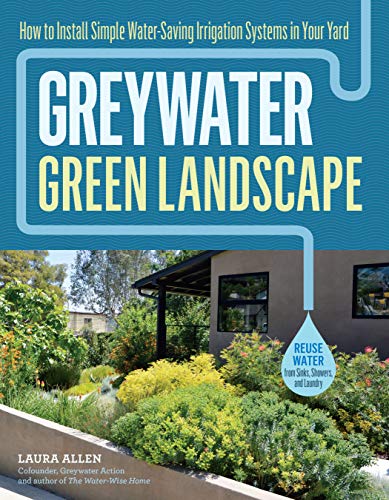
Greywater, Green Landscape: How to Install Simple Water-Saving Irrigation Systems in Your Yard
As an affiliate, we earn on qualifying purchases.
As an affiliate, we earn on qualifying purchases.
Conclusion
So, next time you leave the tap running while brushing your teeth or forget to fix that leaky faucet, remember—you’re practically auditioning for the role of water wastage villain. If we all play our part, we might just save enough water to keep those fancy lawns green and those industries running. Or, we could keep ignoring it and enjoy the thrill of watching our water supplies vanish—because who needs water anyway, right? Think about it!

14kW Tankless Water Heater Electric, ORBEK On Demand Instant Hot Water Heater 240V, Max 3.38 GPM, Supply for 2-3 Fixtures, ETL Certified, Indoor Installation, New Upgraded 2.0
Note: Please ensure the household circuit breaker panel has a total current capacity of at least 150 amps….
As an affiliate, we earn on qualifying purchases.
As an affiliate, we earn on qualifying purchases.

Collapsible Rain Barrel Water Storage Containers-53 Gallon Portable Rainwater Collect System Water Tank to Collect Rainwater from Gutter Downspout Water Catcher with Spigots,Filter&Overflow Kits
【Leak-Proof Design】Unlike typical rain barrels, our product features an integrated design with a straightforward screw-in faucet, eliminating the…
As an affiliate, we earn on qualifying purchases.
As an affiliate, we earn on qualifying purchases.